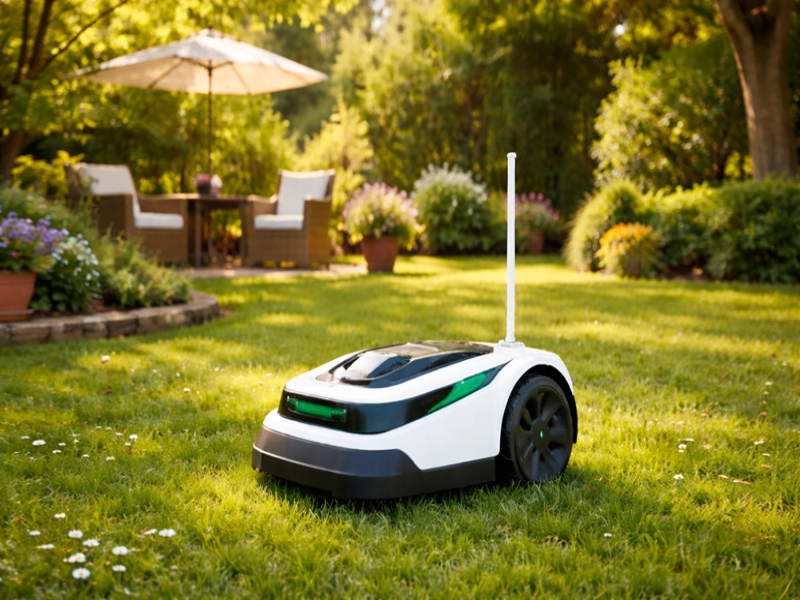
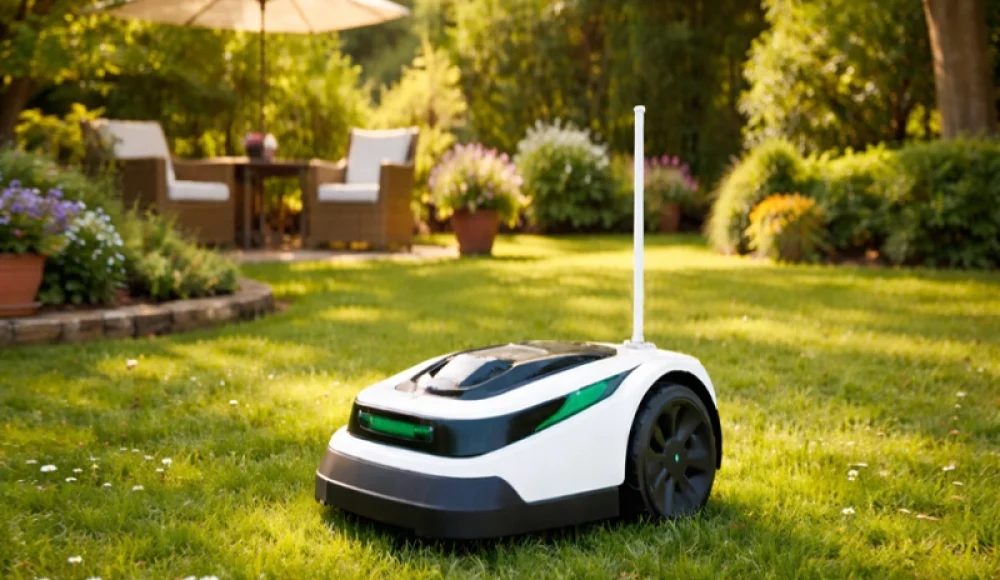
As smart agriculture continues to develop, agricultural robots are increasingly used for field inspection, crop monitoring, automated spraying, data collection, and intelligent farm management. These robots often work across large outdoor areas, where stable wireless communication is essential for remote control, data transmission, and system coordination.
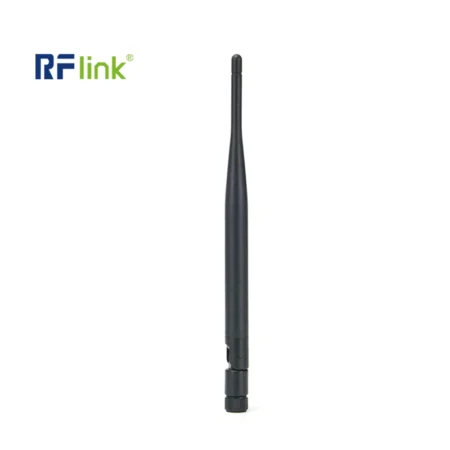
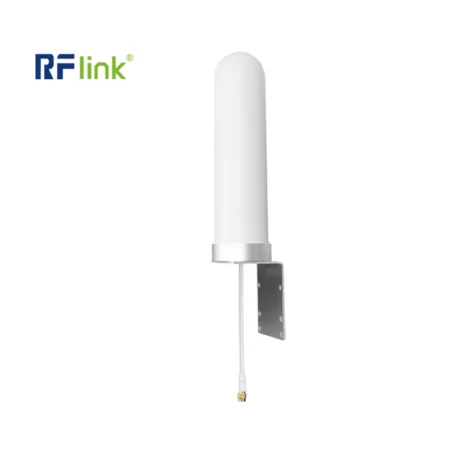
In one smart agriculture project, the customer needed a 915MHz base station antenna to provide wireless signal coverage for agricultural robots. Unlike antennas used inside the robot itself, this antenna was designed as part of the base station communication system, helping connect the robots and maintain stable signal coverage in the working area.
The main challenge came from the mobility of agricultural robots.
Because the robots move continuously across different positions, directions, and terrain conditions, the antenna must provide reliable signal coverage over a wider and more complex area. In practical agricultural environments, signal transmission may also be affected by distance, equipment position, outdoor obstacles, installation height, and surrounding structures. For the customer, improving signal strength and coverage stability within a limited antenna size became a key requirement.
A standard antenna solution was difficult to meet these requirements. The project required a customized antenna design that could balance compact size, 915MHz performance, stable coverage, and installation limitations.
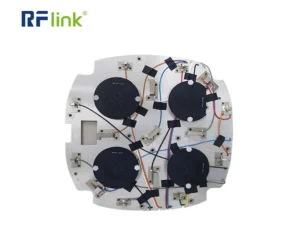
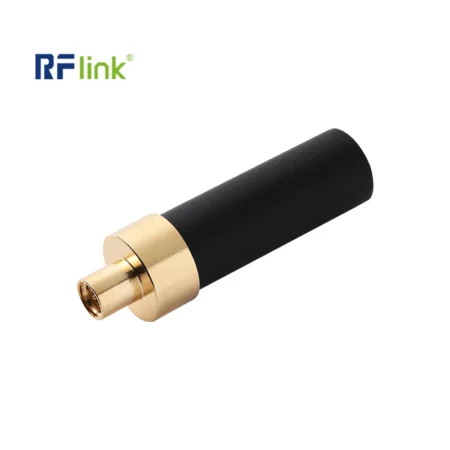
To solve this challenge, RF Link Antenna developed a customized 915MHz base station antenna using LDS technology.
LDS, or Laser Direct Structuring, allows the antenna structure to be formed on a three-dimensional plastic carrier. This provides more flexibility for antenna layout and structural integration, especially when the available space is limited. By using LDS technology, our engineering team was able to optimize the antenna structure within the restricted size while improving the effective signal coverage area.
During the development process, RF Link Antenna analyzed the customer’s application environment, communication distance, installation requirements, antenna size limitations, and 915MHz performance targets. Based on these requirements, we optimized the antenna structure and matching performance to help improve signal strength and coverage stability for agricultural robot communication.
The final LDS base station antenna solution provided better signal coverage within the limited antenna size and helped improve wireless communication between the base station and agricultural robots. After testing and application verification, the antenna performance received positive feedback from the customer.
This case shows that antenna design for smart agriculture is not only about selecting a frequency band. For mobile equipment such as agricultural robots, the base station antenna must consider coverage area, signal stability, installation conditions, size limitations, and real working environments. A properly customized antenna solution can help improve communication reliability and support more efficient smart farming operations.
RF Link Antenna provides custom antenna design and manufacturing services for IoT devices, smart agriculture systems, industrial wireless equipment, communication terminals, and other wireless applications. From requirement analysis and antenna design to sample testing, optimization, and production delivery, our engineering team supports customers throughout the complete antenna development process.
If your smart agriculture system, agricultural robot platform, or IoT communication project requires a custom 915MHz antenna solution, RF Link Antenna can help develop an antenna that matches your application environment and wireless performance requirements.