





Product Center
- Home
- Service
- Product Center
- Application
- About Us
- Videos
- News
- Contact Us

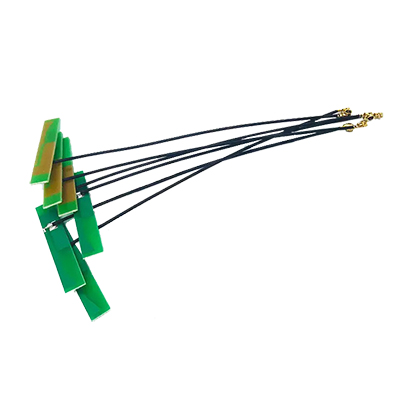
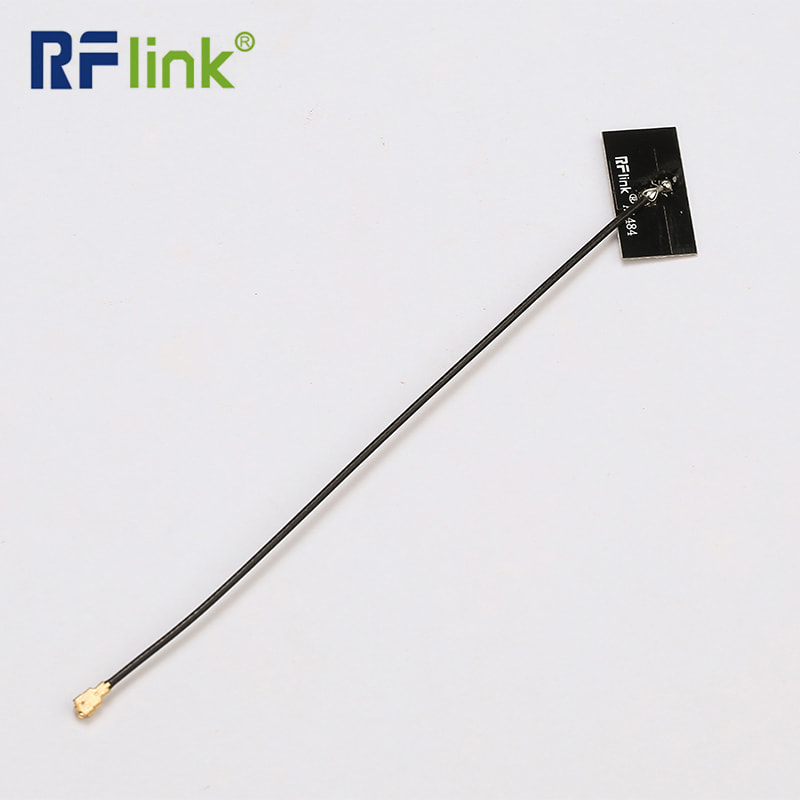
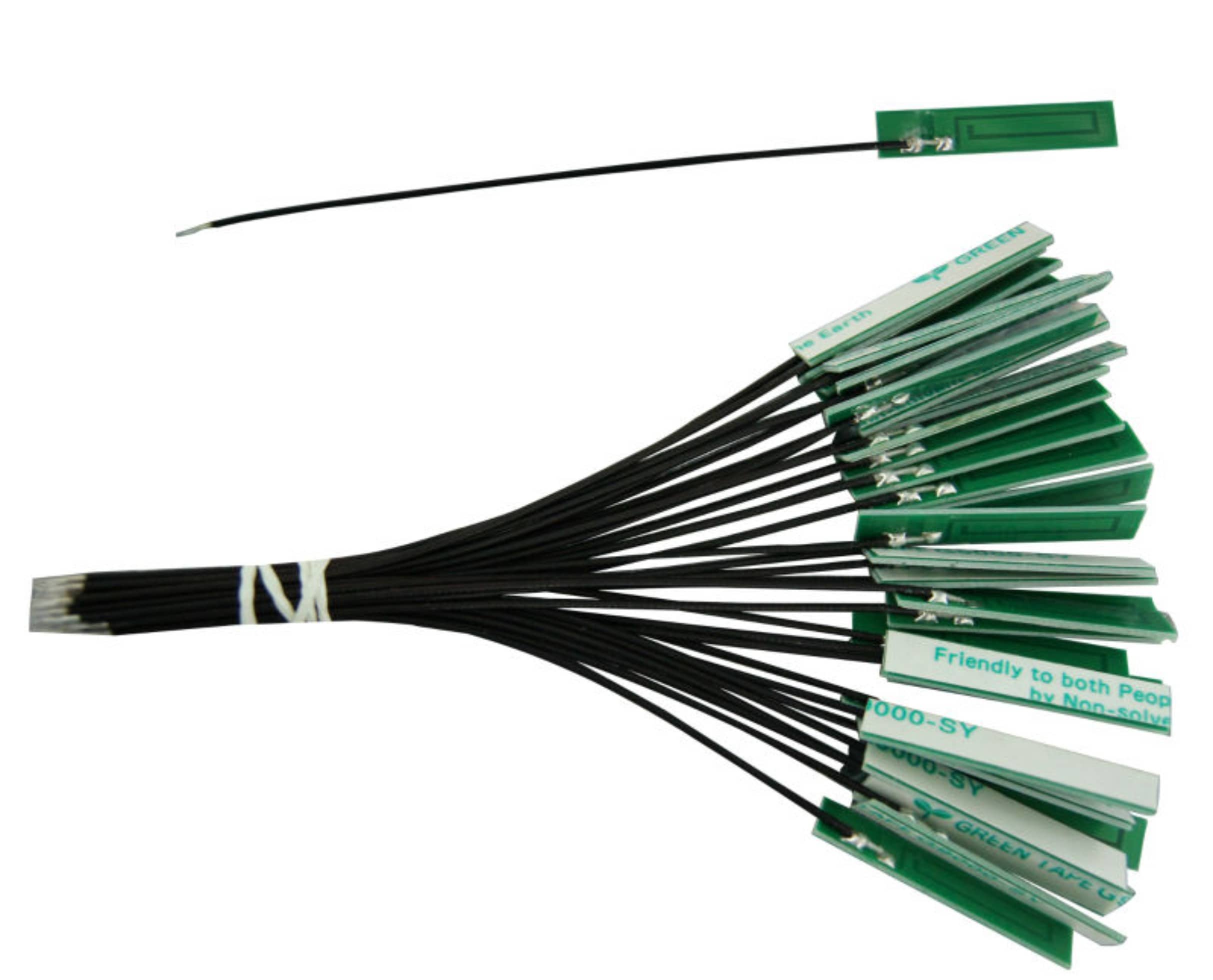
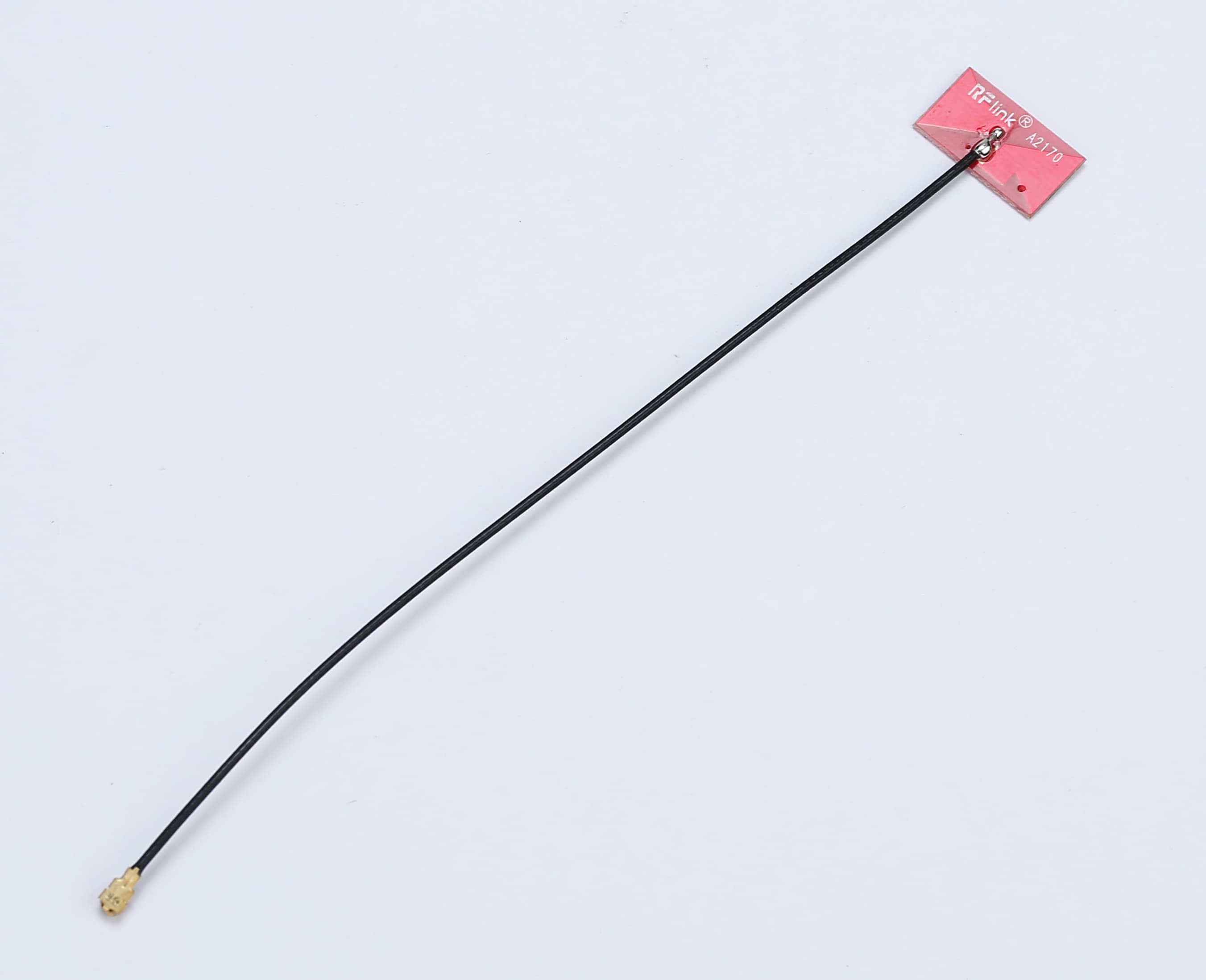
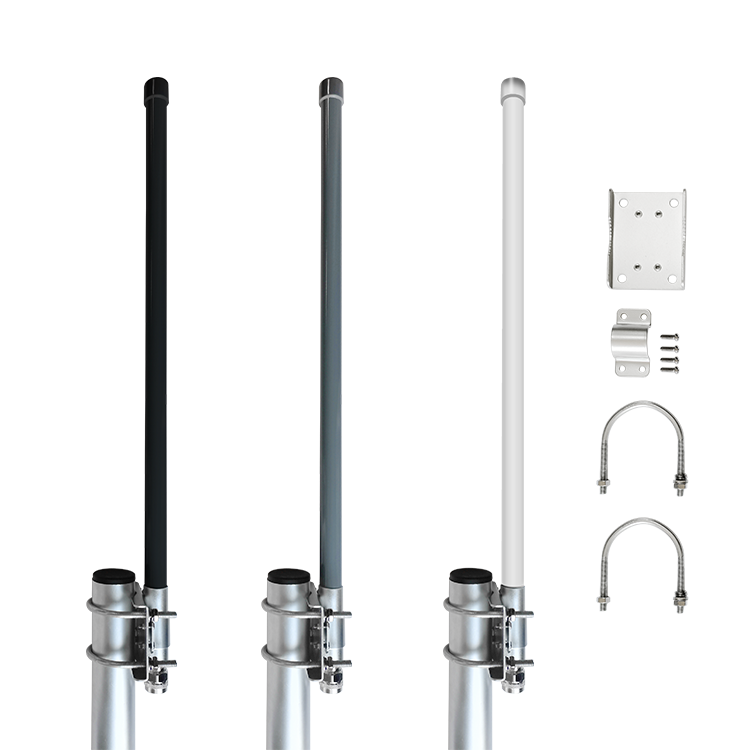
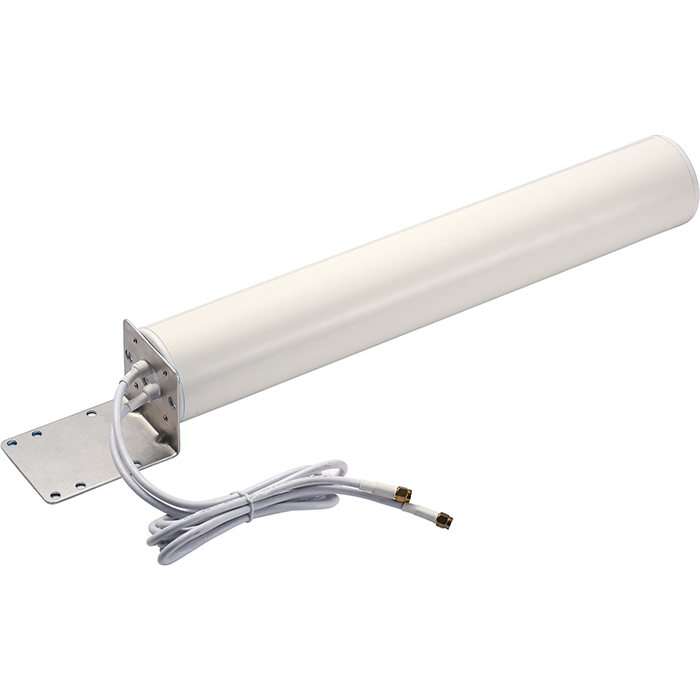
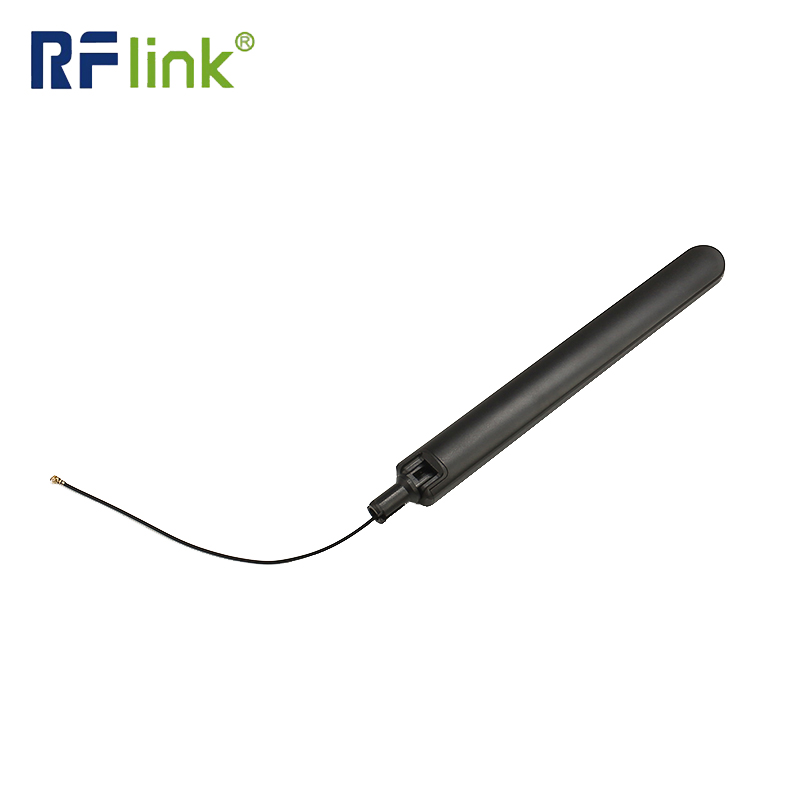
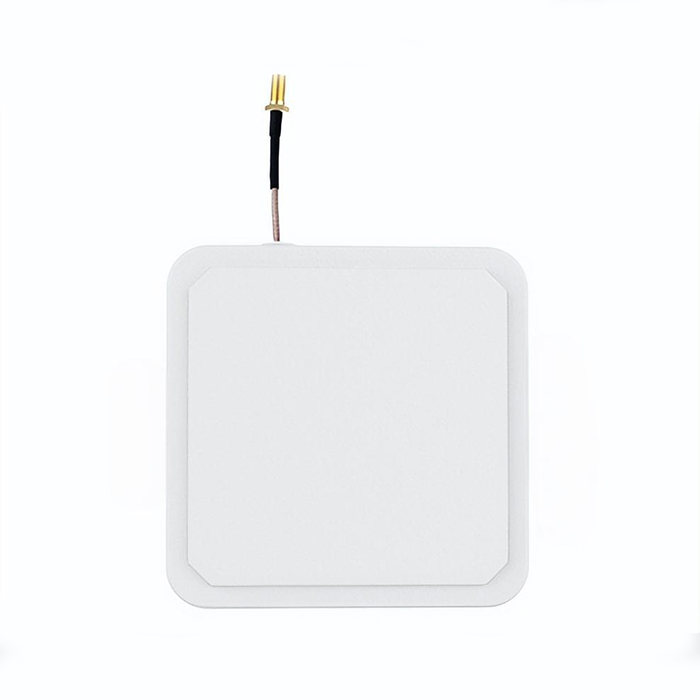
Frequency Range(MHz):682-960/1710-2700/2400-2500
Center frequency characteristic impedance (Ω):50
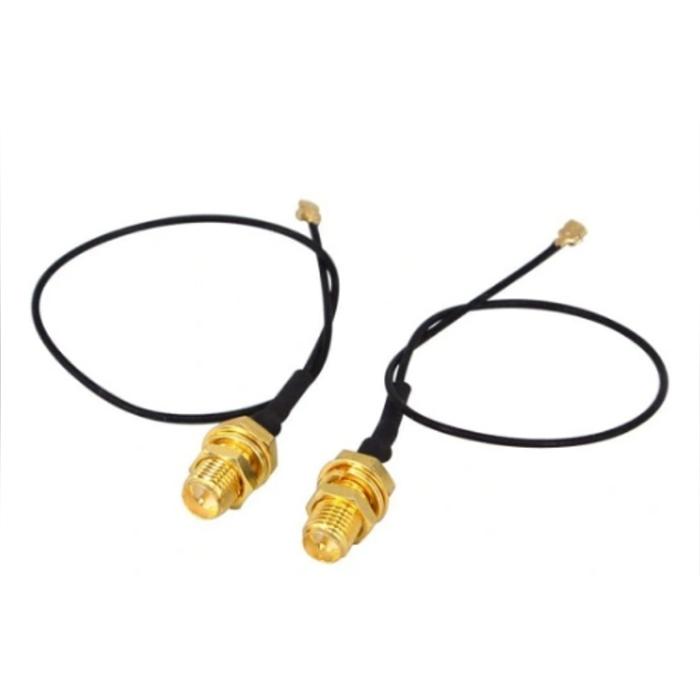
Connector Type:MHF
Product Application:Networks


Main Technical Specifications
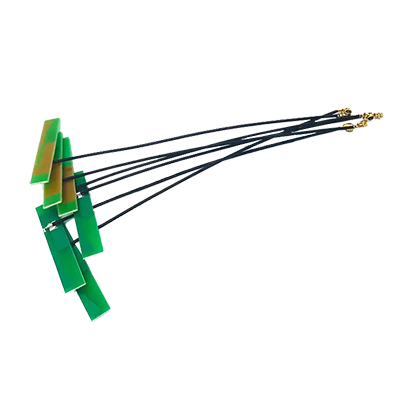
| Frequency Range(MHz) | 2400-2500 |
| Impedance(Ω) | 50 |
| Gain(dBi) | 3 |
| V.S.W.R | ≤2.0 |
| Connector Type | MHF |
| Product Application | Networks |
Product Specifications
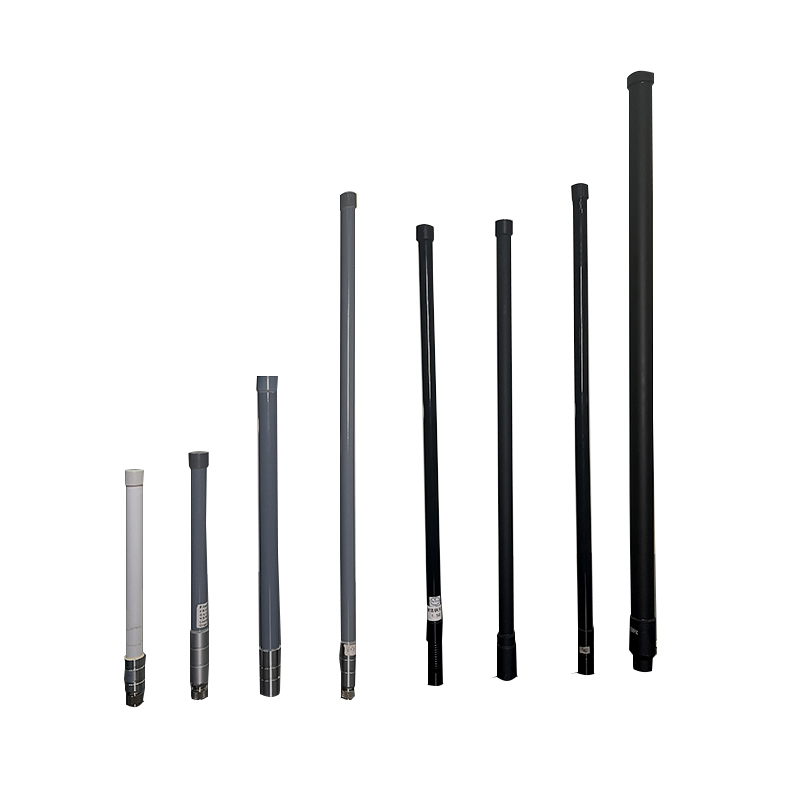
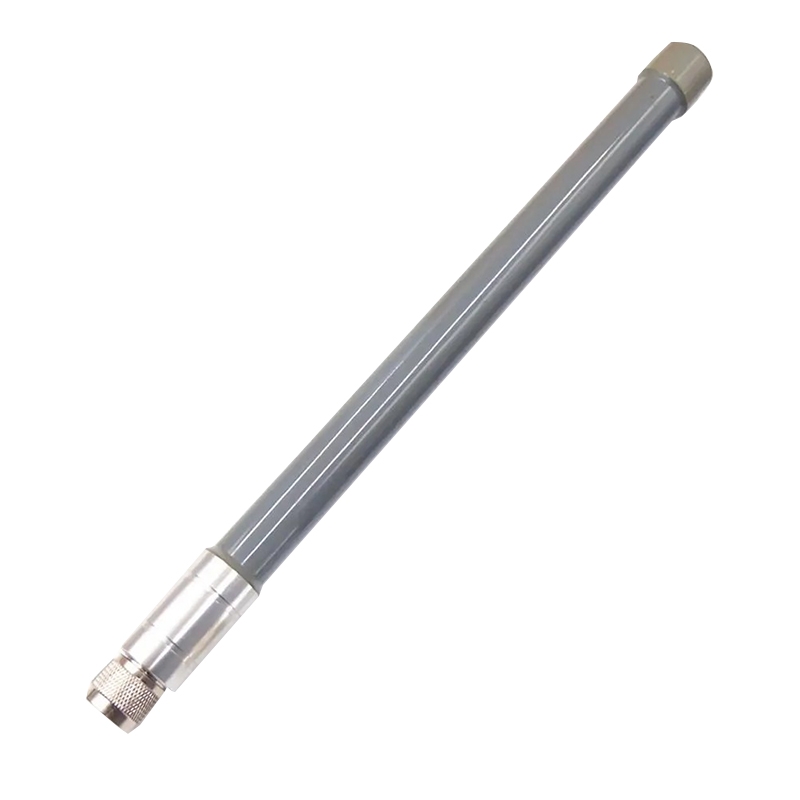
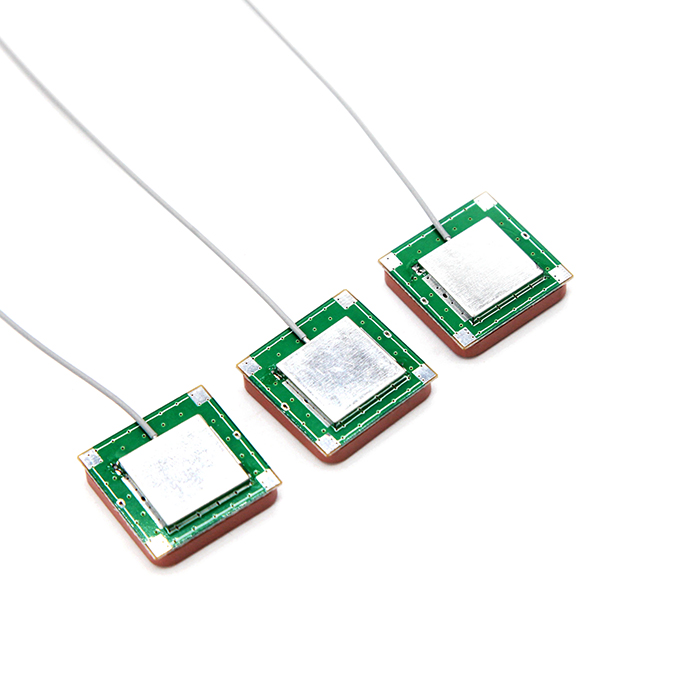
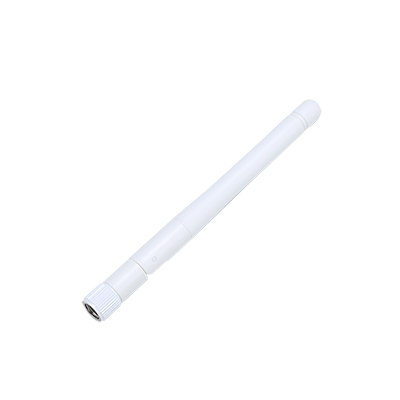
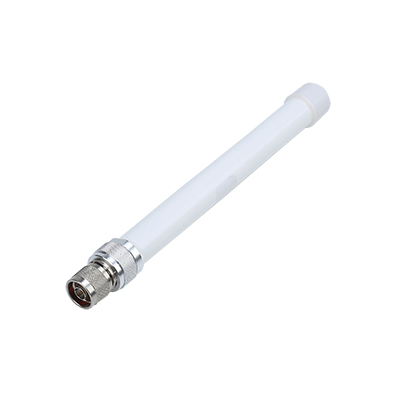
Bluetooth Antenna Overview
The Bluetooth Antenna is designed to enhance wireless communication for Bluetooth-enabled devices, offering reliable connectivity and improved signal strength. Operating on the 2.4 GHz frequency band, this antenna supports seamless data transfer and effective range extension for a variety of applications, including smartphones, tablets, and wireless peripherals. Its compact design and high-performance characteristics make it ideal for integration into consumer electronics, IoT devices, and other Bluetooth-enabled systems.
Product Features
High-Efficiency Radiation Pattern: Modern Bluetooth antennas achieve up to 95% radiation efficiency, ensuring minimal signal loss and optimal power transfer between connected devices within the 2.4–2.485 GHz ISM band.
Compact Form Factor: Utilizing chip antenna (e.g., 2.4 GHz SMD types) or PCB trace designs, these antennas are engineered for ultra-miniaturization, with common footprints as small as 2.0 × 1.2 mm for integration into space-constrained IoT and wearable devices.
Omnidirectional Coverage: Designed with a typical azimuthal gain pattern of 0–3 dBi, the antennas provide near-uniform 360-degree horizontal coverage, which is crucial for reliable connectivity in dynamic environments where device orientation is variable.
Impedance Matching: Standard 50-Ohm impedance matching minimizes the Voltage Standing Wave Ratio (VSWR) to below 2:1 across the entire operational band, reducing reflected power and ensuring maximum power delivery from the RF front-end.
Robust Interference Immunity: Advanced designs incorporate techniques like frequency hopping and polarization diversity to maintain a Packet Error Rate (PER) of < 0.1% even in high-interference environments with co-located Wi-Fi and other 2.4 GHz transmitters.
Application Areas
1. Consumer Electronics: Bluetooth antennas are integral to wireless headphones, speakers, smartwatches, and controllers, enabling seamless audio streaming and data synchronization between devices within a personal area network.
2. Automotive & Telematics: Modern vehicles utilize Bluetooth antennas for hands-free calling, audio streaming, and keyless entry systems, enhancing both driver convenience and in-car connectivity.
3. Smart Home & IoT: In smart home ecosystems, these antennas connect sensors, smart locks, lighting systems, and appliances to central hubs or smartphones, facilitating automated control and energy efficiency.
4. Healthcare & Wearables: Medical devices such as glucose monitors, hearing aids, and fitness trackers rely on Bluetooth antennas to transmit vital health data to mobile apps for monitoring and analysis.
5. Industrial IoT (IIoT): Bluetooth antennas enable wireless sensor networks for equipment monitoring, asset tracking, and predictive maintenance in industrial settings, improving operational efficiency and safety.
6. Proximity Marketing & Retail: Beacons equipped with Bluetooth antennas broadcast signals to nearby smartphones, enabling location-based services, personalized promotions, and contactless payments in retail environments.
Purchase and Contact Information
Dongguan RenFeng Electronic Technology Co.,Ltd
Email: bellasu@rflink.net.cn
Mobile Phone: +86 1379-4978-989
Address: No.1 Sankeng Qinghutou Tangxia Dongguan Guangdong China


FAQ
1. What are the benefits of using a Bluetooth antenna?
A Bluetooth antenna improves the signal strength and range of Bluetooth communication, leading to more reliable connections and better performance for Bluetooth-enabled devices.
2. Can I use a Bluetooth antenna with any Bluetooth device?
Yes, a Bluetooth antenna is compatible with any Bluetooth device operating on the 2.4 GHz frequency band. It enhances signal reception and transmission for improved connectivity.
3. How do I install a Bluetooth antenna?
Follow the manufacturer's installation guidelines, which typically involve mounting the antenna in a position with optimal signal reception and connecting it to the Bluetooth module or device.
4. Will a Bluetooth antenna improve my device's range?
Yes, a Bluetooth antenna can extend the effective range of your device by providing better signal strength and reducing interference, leading to improved connectivity over longer distances.
5. Are there different types of Bluetooth antennas?
Yes, Bluetooth antennas come in various types, including internal and external models, each suited for different applications and devices. Choose the type that best fits your needs and installation requirements.

Address: No.1 Sankeng Qinghutou Tangxia Dongguan Guangdong China TaiWan office: 558-2 ZhongHua,Zhubei,Xinzhu,Taiwan
Copyright © 2026 Dongguan RenFeng Electronic Technology Co.,Ltd All rights reserved.