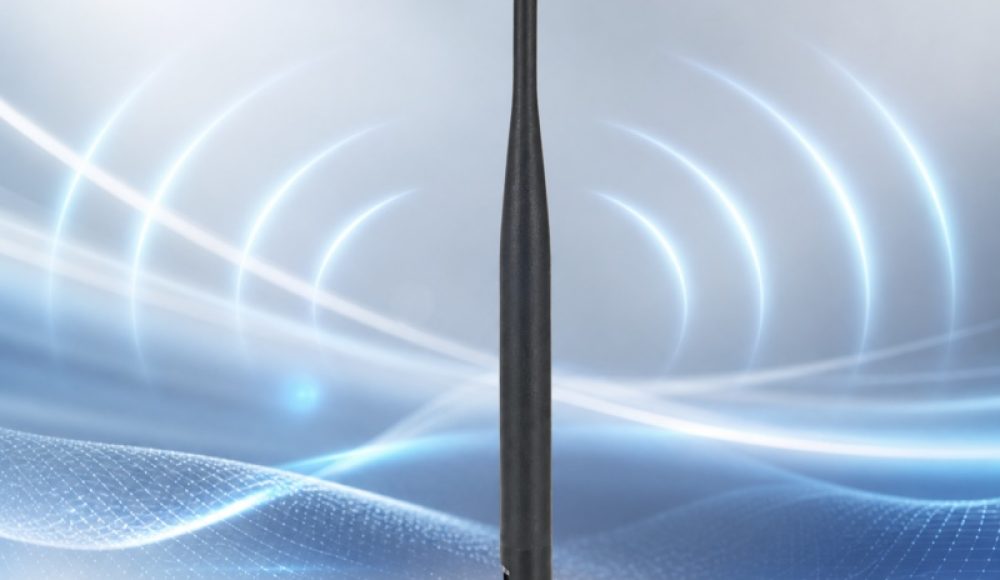
In wireless systems, engineers often ask how a rugged rubber duck antenna performs in metal-rich environments. Metal surfaces are common in industrial sites, vehicles, and equipment cabinets. However, these environments strongly affect RF signals. Reflection, absorption, and multipath interference can all change signal behavior. Therefore, understanding real performance is more important than relying only on lab specifications. In addition, different installation positions can significantly influence final results.
How Metal Structures Affect Performance
In general, metal-rich environments create both advantages and challenges for signal propagation. For example, metal surfaces can reflect RF signals and extend coverage in some directions. However, they can also block or distort signals in other paths. As a result, signal strength may become unstable in tight or enclosed spaces. In addition, interference increases when multiple reflections overlap. Therefore, antenna placement becomes a key factor in maintaining stable connectivity.
Design Characteristics of the Rugged Rubber Duck Antenna
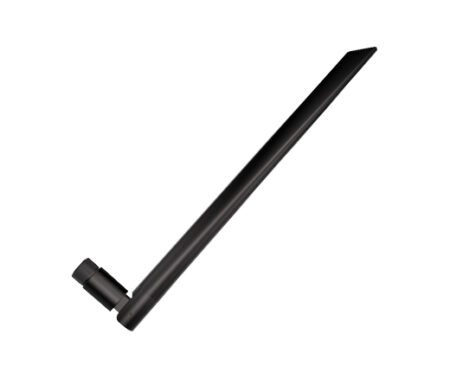
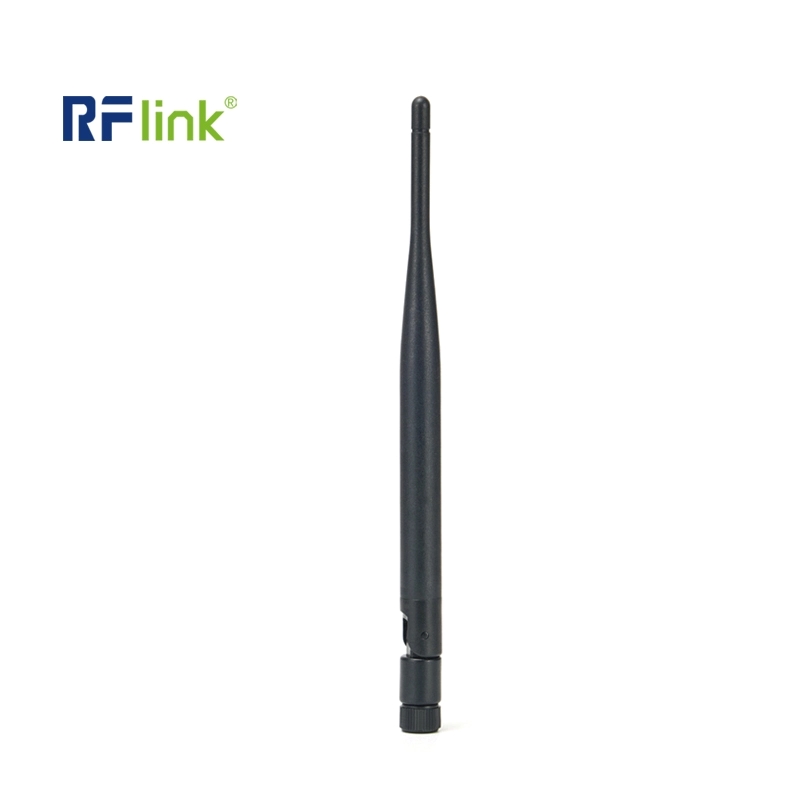
A rugged rubber duck antenna is designed to handle challenging operating conditions while maintaining stable wireless performance. The Renfeng dual-band model supports 2.4GHz and 5.8GHz frequencies with optional 5dBi or 6dBi gain. It is widely used in Wi-Fi routers, access points, IP cameras, drone links, industrial devices, and IoT gateways. Moreover, its omnidirectional radiation pattern helps distribute signals evenly in complex environments. The flexible thermoplastic shell also improves resistance to shock and vibration, which is especially important in industrial applications.
Performance in Metal-Rich Environments
In metal-heavy environments, a rugged rubber duck antenna can still maintain stable performance when properly positioned. For instance, mounting the antenna outside metal enclosures often improves signal clarity. Meanwhile, slight adjustments in angle can reduce signal blockage and improve coverage consistency. In addition, dual-band operation allows devices to switch between 2.4GHz and 5.8GHz, depending on interference levels. As a result, system reliability increases even in challenging RF conditions.
Frequency and Application Advantages
This rugged rubber duck antenna operates within 2400–2500MHz and 5150–5850MHz bands, which are commonly used in modern wireless networks. Because of this dual-band structure, it supports flexible deployment in both short-range and high-speed applications. Moreover, its VSWR ≤2.0 and stable return loss help maintain efficient signal transmission. Therefore, it performs well in IoT systems that require continuous connectivity and low latency.
Installation Factors and Optimization
Proper installation plays a major role in performance improvement. For example, placing the antenna away from direct metal contact reduces signal distortion. In addition, using higher mounting points can help improve line-of-sight communication. Meanwhile, connector selection, such as SMA or RP-SMA, ensures compatibility with different devices. Therefore, system designers can optimize performance by adjusting both hardware and placement strategies.
Durability and Environmental Resistance
The rugged rubber duck antenna is built for durability and long-term use. Its operating temperature ranges from -20°C to 60°C, which supports both indoor and light outdoor environments. In addition, the thermoplastic shell protects against vibration and mechanical stress. As a result, it is suitable for mobile systems, industrial equipment, and embedded wireless devices where stability is critical.
Customization for Different Applications
Renfeng provides flexible customization options to meet diverse project needs. For instance, users can choose different antenna lengths, gain levels, connector types, and hinge angles. In addition, color customization is available for integration into specific product designs. Therefore, the rugged rubber duck antenna can adapt to a wide range of industrial and commercial wireless systems.
Final Performance Insight
In conclusion, a rugged rubber duck antenna can perform reliably in metal-rich environments when properly installed and configured. Although metal structures introduce reflection and interference, careful placement and dual-band operation help stabilize signal quality. Furthermore, Renfeng antenna solutions enhance adaptability and durability for modern wireless applications. Therefore, this antenna is well-suited for IoT, Wi-Fi, and industrial communication systems operating in complex environments.