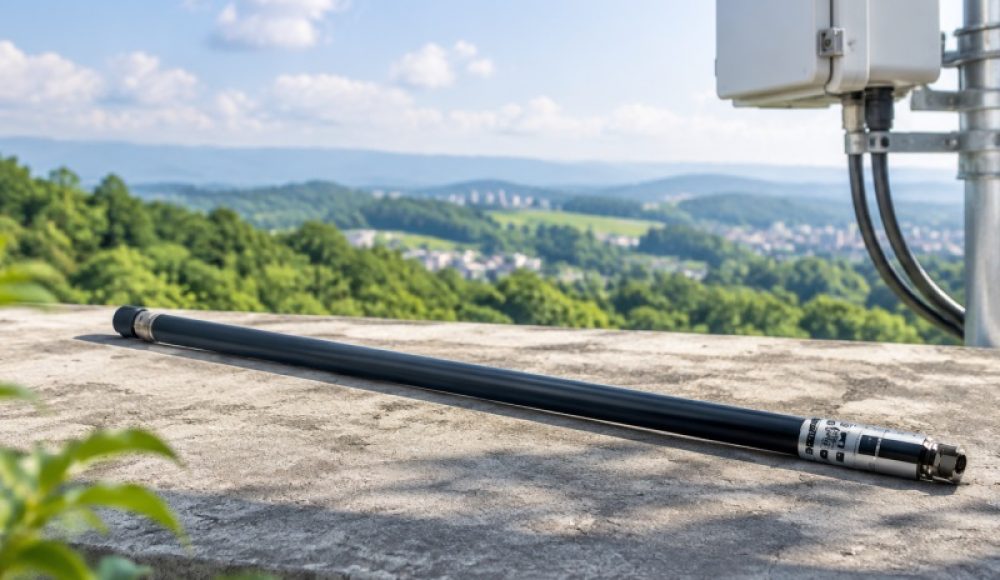
An 868MHz 915MHz Fiberglass Antenna supports LoRa wireless networks across the 860–940MHz frequency range. Renfeng’s 8dBi wideband omnidirectional fiberglass antenna features an N-type male connector, 100W power handling, and a waterproof radome for outdoor installation, making it suitable for compatible gateways and fixed wireless communication systems.
What Is an 868MHz 915MHz Fiberglass Antenna?
An 868MHz 915MHz Fiberglass Antenna is an outdoor RF antenna designed to support wireless communication across multiple sub-GHz frequency bands. It uses a fiberglass radome to protect the internal antenna structure while providing an omnidirectional radiation pattern. The term is defined as a wideband antenna that operates across the 860–940MHz range, covering commonly used 868MHz and 915MHz wireless applications where regional regulations permit.
Renfeng’s 868/915MHz 8dBi Wideband Omnidirectional Fiberglass Antenna has the following specifications:
| Parameter | Specification |
|---|---|
| Frequency range | 860–940MHz |
| Nominal frequency bands | 868MHz / 915MHz |
| Antenna gain | 8dBi |
| Radiation pattern | Omnidirectional |
| Connector | N Male |
| Power handling | 100W |
| Radome material | Fiberglass |
| Outdoor protection | Waterproof structure |
These specifications help engineers evaluate antenna compatibility with LoRa gateways, wireless monitoring equipment, and fixed communication stations. However, actual coverage also depends on transmitter power, receiver sensitivity, antenna height, cable loss, and surrounding obstacles.
How Does a Wideband Fiberglass Antenna Work?
A wideband fiberglass antenna converts electrical RF signals into electromagnetic waves during transmission and performs the reverse process during reception. The 860–940MHz operating range allows compatible equipment to use different frequencies within the supported band without requiring a separate antenna for each nominal frequency.
Its omnidirectional radiation pattern distributes radio energy around the antenna’s vertical axis. Therefore, a gateway can communicate with compatible devices positioned in different horizontal directions without continuously adjusting antenna orientation.
The main advantages include:
- Wide frequency compatibility: Supports suitable 868MHz and 915MHz radio configurations within the specified operating range.
- Omnidirectional coverage: Provides horizontal coverage around a fixed installation point.
- 8dBi gain: Helps engineers optimize the wireless link budget for suitable deployment environments.
- Outdoor protection: The waterproof fiberglass radome protects the internal antenna structure from environmental exposure.
- Standard RF connection: The N Male connector supports integration with compatible coaxial cables and communication equipment.
Nevertheless, 8dBi gain does not guarantee a specific communication distance. Higher gain generally changes the vertical radiation pattern, so installation height and terrain remain important.
Where Can an 868MHz 915MHz Antenna Be Used?
An 868MHz 915MHz antenna can support LoRa and other compatible sub-GHz communication systems in outdoor and fixed-site applications.
Common applications include:
- LoRaWAN gateways: Connecting gateways with distributed wireless sensor nodes across large deployment areas.
- Industrial IoT: Supporting remote monitoring of equipment, machinery, and environmental conditions.
- Smart agriculture: Connecting agricultural sensors that collect soil moisture, temperature, and irrigation data.
- Remote monitoring stations: Supporting wireless communication between fixed stations and remote measurement devices.
- Outdoor infrastructure: Providing RF connectivity for compatible monitoring and control systems.
For example, an agricultural gateway may communicate with multiple sensor nodes distributed across a field. An omnidirectional fiberglass antenna can provide horizontal coverage around the gateway, while suitable mounting height helps reduce signal blockage from buildings, vegetation, and terrain.
How Should Engineers Choose a Wideband LoRa Antenna?
Engineers should evaluate frequency compatibility, gain, radiation pattern, connector type, environmental protection, and installation conditions before selecting an antenna.
The following factors deserve attention:
- Frequency range: Confirm that the antenna covers the actual operating channels. The 860–940MHz range accommodates suitable 868MHz and 915MHz configurations, but regional radio regulations still apply.
- Antenna gain: An 8dBi rating may support longer links in appropriate directions. However, engineers should evaluate the vertical beamwidth and coverage requirements.
- Connector compatibility: Check whether the equipment and coaxial cable support the N Male interface.
- Power handling: Confirm that the 100W rating suits the transmitter’s RF output and operating conditions.
- Environmental protection: Review waterproofing details and confirm that the antenna can withstand the expected outdoor exposure.
- Installation position: Consider mounting height, nearby metal structures, cable routing, grounding, and lightning protection.
Engineers should also verify antenna impedance and matching characteristics against the radio equipment specifications before deployment.
How Does a Fiberglass Antenna Compare with Other Antenna Types?
A wideband fiberglass antenna differs from compact whip and directional antennas in its frequency coverage, mounting requirements, and radiation pattern.
| Antenna type | Main characteristics | Typical applications |
|---|---|---|
| Wideband fiberglass antenna | Outdoor radome, broad frequency coverage, omnidirectional pattern | Fixed LoRa gateways |
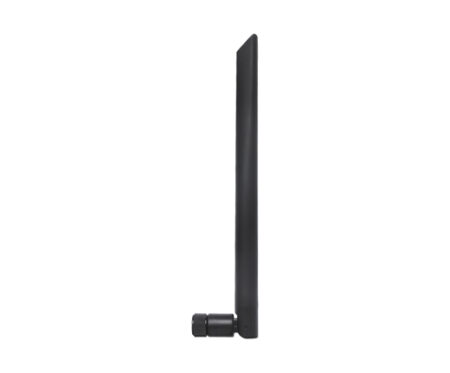
| Compact whip antenna | Small structure and convenient device integration | Portable IoT equipment |
| Directional Yagi antenna | Concentrated radiation toward a selected direction | Point-to-point wireless links |
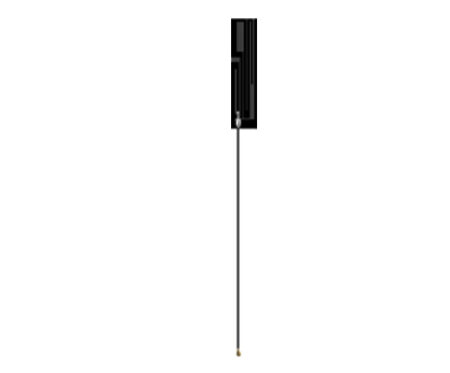
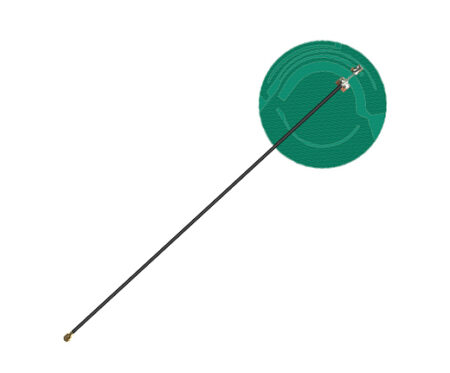
| PCB antenna | Integrated into electronic circuit boards | Compact wireless devices |
Compared with traditional narrowband solutions, a wideband fiberglass antenna can support compatible devices operating at different frequencies within its specified range. This can simplify antenna selection for projects that require both 868MHz and 915MHz compatibility. However, directional antennas may provide more focused coverage for point-to-point communication. Therefore, engineers should select the antenna according to network topology rather than gain alone.
What Factors Affect the Cost of an Outdoor LoRa Antenna?
The cost of an outdoor LoRa antenna depends on its RF performance, materials, mechanical structure, connector configuration, and production requirements.
For an 8dBi wideband fiberglass antenna, the main cost factors include:
- Operating frequency coverage and antenna design complexity.
- Fiberglass radome material and waterproof construction.
- Required gain and radiation pattern performance.
- N Male connector specifications and cable accessories.
- Environmental testing and quality control requirements.
- Customization, production quantity, and packaging.
When comparing suppliers, buyers should evaluate equivalent frequency ranges, gain specifications, waterproofing performance, and test documentation. This approach provides a more meaningful comparison than unit price alone.
How Does Renfeng Support Antenna Design and Manufacturing?
Renfeng is a communication terminal antenna manufacturer established in 2012, focusing on wireless communication antennas and customized antenna solutions.
The company has RF engineers with an average of more than 10 years of industry experience. Its project capabilities cover concept development, RF design, sample development, mass production, and product delivery.
For wideband LoRa applications, these capabilities support discussions about frequency requirements, antenna dimensions, connector selection, installation methods, and device integration. Renfeng also provides customization support according to different wireless equipment and project requirements.
Regarding certification standards, buyers should request applicable compliance documents and product-specific test reports. No particular certification has been established by the specifications provided for this antenna.
What Tests Should an 868MHz 915MHz Fiberglass Antenna Pass?
Engineers should verify RF performance, mechanical construction, and environmental suitability before deploying an antenna in a wireless network.
Recommended evaluation procedures include:
- VSWR testing: Measure voltage standing wave ratio across the 860–940MHz operating range.
- Return loss testing: Evaluate impedance matching throughout the required frequency band.
- Gain measurement: Verify antenna gain using an appropriate calibrated measurement setup.
- Radiation pattern testing: Confirm horizontal and vertical radiation characteristics.
- Environmental testing: Evaluate waterproofing and resistance to expected temperature and weather conditions.
- Power handling testing: Verify performance under the intended RF power conditions.
- System-level testing: Assess received signal strength, packet delivery rate, and communication stability in representative deployment environments.
For formal validation, engineers can refer to applicable IEC 60068 environmental testing procedures and relevant antenna measurement methods. Specific acceptance limits should follow the project requirements and applicable standards.
FAQ: What Should Buyers Know About Wideband Fiberglass Antennas?
What is an 868MHz 915MHz Fiberglass Antenna?
An 868MHz 915MHz Fiberglass Antenna is a wideband outdoor antenna designed to support compatible sub-GHz wireless systems. This model covers 860–940MHz and provides 8dBi gain, omnidirectional coverage, and an N Male connector.
How to choose a wideband fiberglass antenna for LoRa gateways?
Choose an antenna by checking its frequency range, gain, radiation pattern, connector, power rating, and environmental protection. Also, confirm regional frequency regulations and test the complete wireless link under actual installation conditions.
Why use an 8dBi omnidirectional antenna for outdoor LoRa communication?
An 8dBi omnidirectional antenna can support horizontal coverage around a fixed gateway while providing gain for suitable long-range links. Its fiberglass radome also provides an enclosure for outdoor installation, provided the waterproofing performance meets the deployment requirements.
Source & Expertise
This article uses the supplied technical specifications for the 868/915MHz 8dBi Wideband Omnidirectional Fiberglass Antenna and the company background information provided for Renfeng.
The application examples, antenna selection guidance, and testing recommendations reflect general RF engineering principles. Actual wireless coverage depends on radio configuration, installation conditions, regulatory restrictions, and measured antenna performance.
Last Updated
November 2, 2026