






News
- Home
- Service
- Product Center
- Application
- About Us
- Videos
- News
- Contact Us

2025-12-05 11:32:46
In today’s fast-paced world of wireless communication,the choice between 4G and 5g antennas has become increasingly important for businesses and consumers alike.While 5G promises faster speeds and lower latency,4G networks remain the backbone for most IoT devices,industrial applications,and areas where 5G coverage is still limited.Understanding the differences and compatibility between these two types of antennas can help you make a more informed choice for your specific needs.
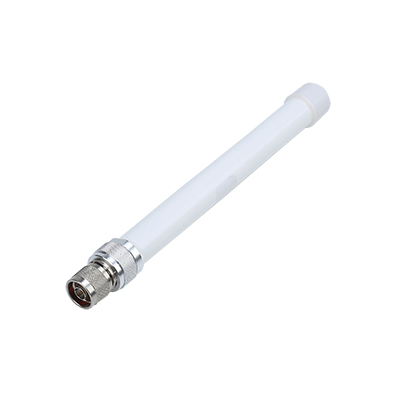
4G antennas are designed to support LTE networks,offering reliable connectivity for mobile data,IoT devices,and M2M applications.They operate on multiple frequency bands,which ensures stable signal reception in urban and rural areas.On the other hand,5G antennas are optimized for ultra-high frequency bands,delivering faster download and upload speeds,lower latency,and better performance in dense network environments.However,they often require a more advanced infrastructure and may not be compatible with older devices.
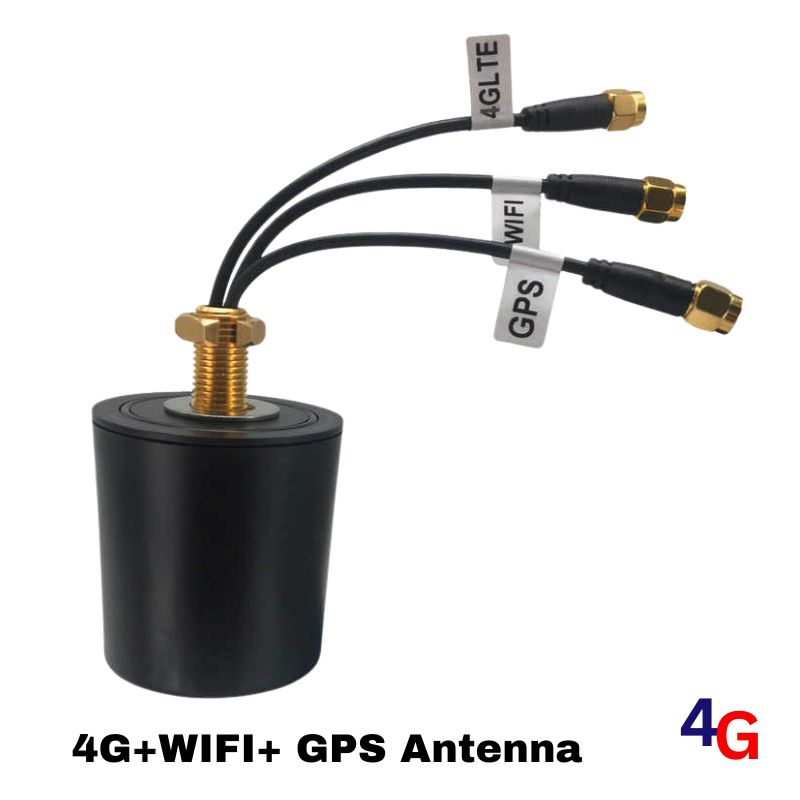
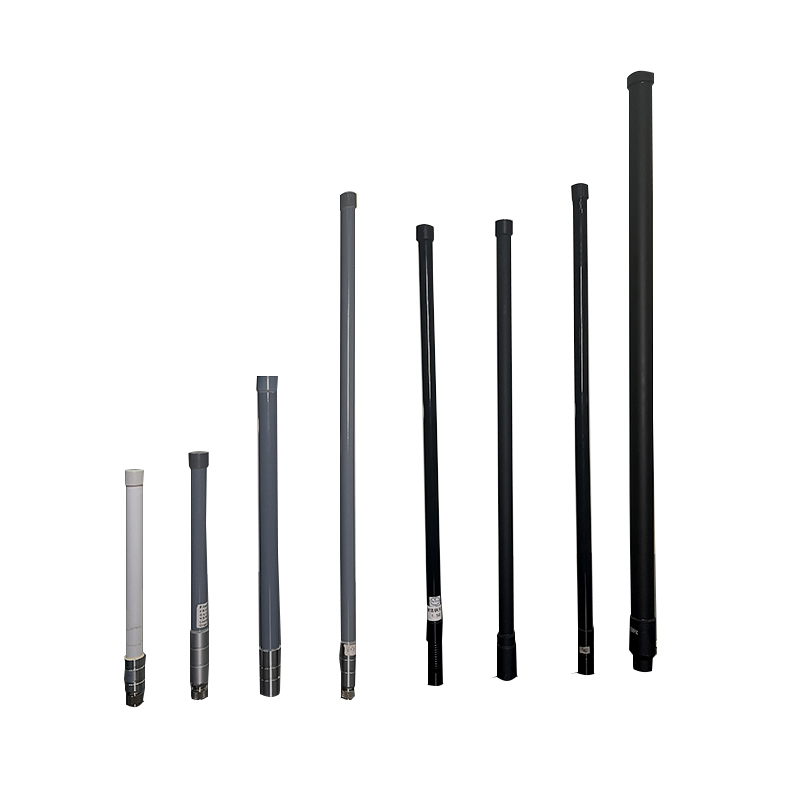
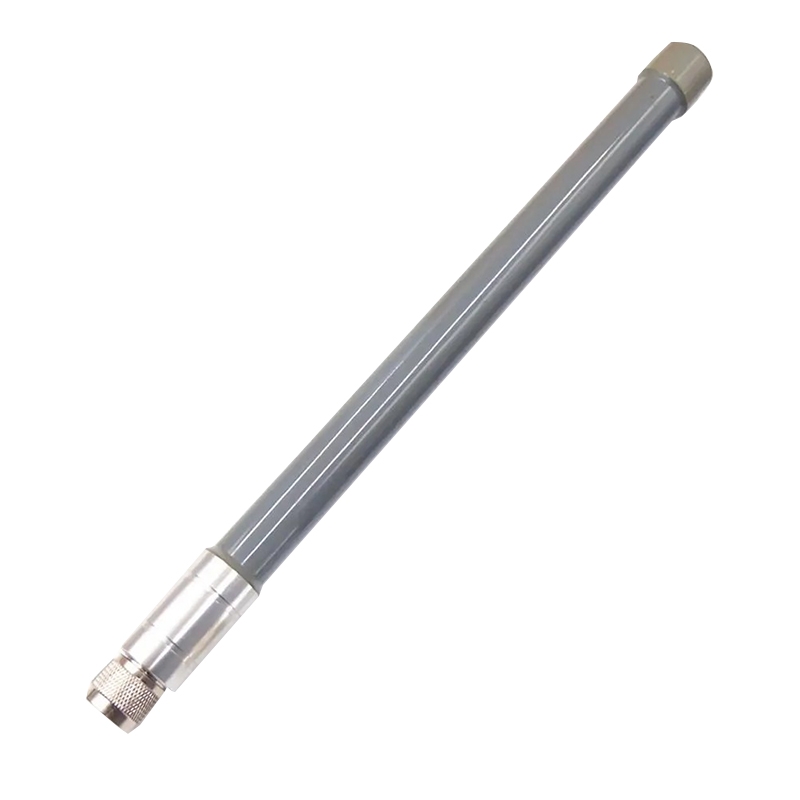
One important consideration is that many modern antennas are now designed to support multiple communication standards.A high-quality 4G antenna may also integrate features for WIFI Antenna applications,allowing seamless data transmission within local networks.Similarly,certain 4G antennas can be co-located with LoRa Antennas to facilitate long-range,low-power communication for smart sensors and remote monitoring systems.For location-based services,GNSS/GPS antennas are often combined with 4G antennas to ensure accurate positioning while maintaining connectivity for data transmission.This integration is especially useful in vehicle telematics,fleet management,and outdoor industrial applications.
When comparing 4G and 5G antennas,compatibility with existing systems should be a priority.Many businesses still rely on 4G LTE networks,and replacing all infrastructure with 5G can be costly and time-consuming.In such cases,investing in a multi-functional 4G antenna that supports WiFi,LoRa,and GNSS/GPS capabilities may provide a more practical solution.These antennas can simultaneously handle data communication,IoT sensor connectivity,and navigation services,creating a versatile platform for future upgrades.
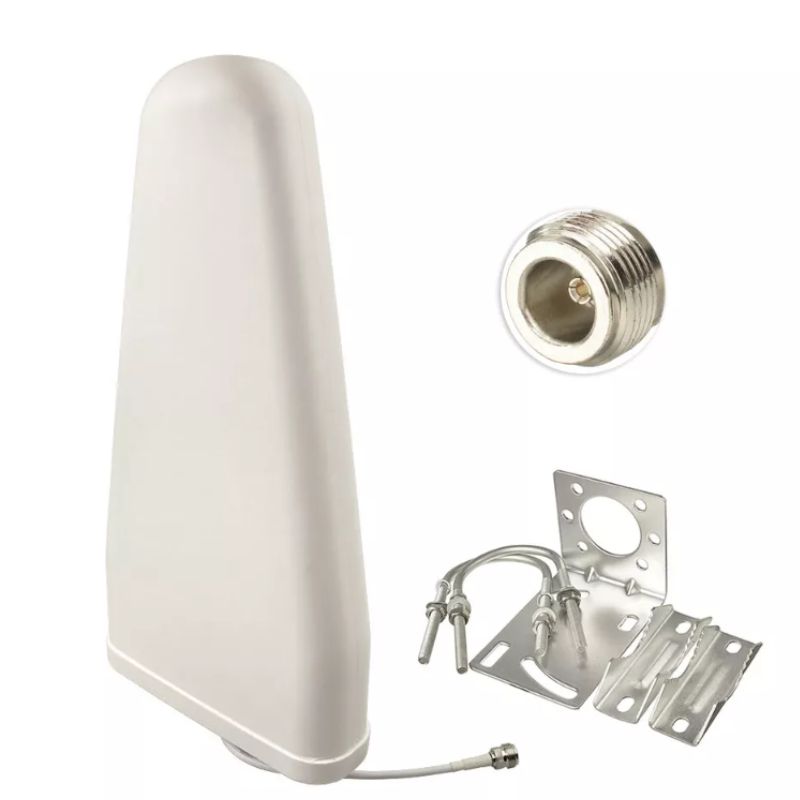
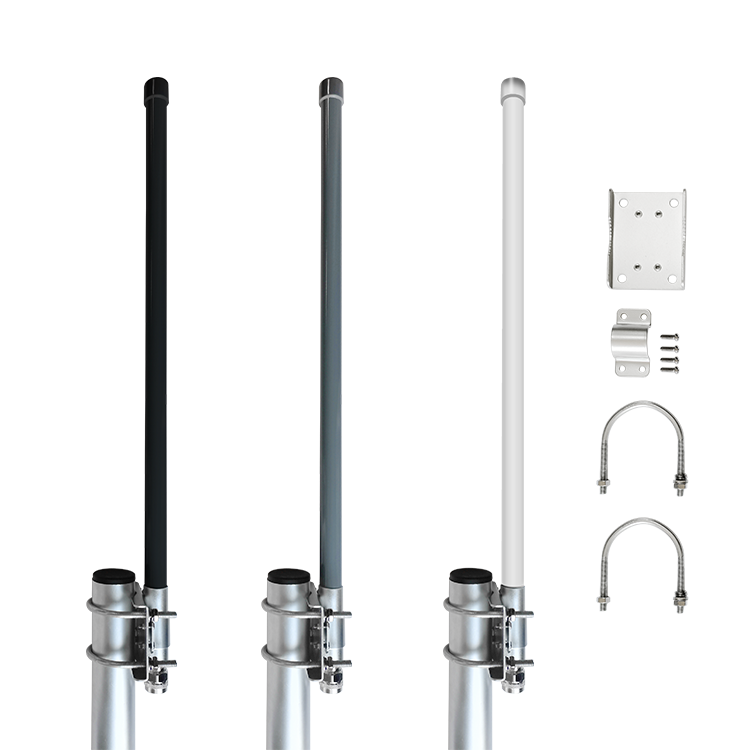
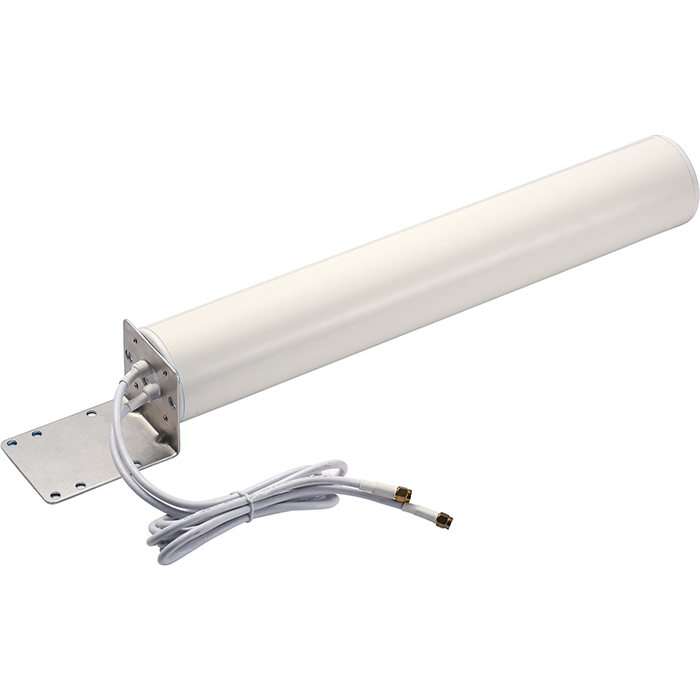
Another factor to consider is coverage and signal strength.While 5G offers higher speeds,its high-frequency bands are more prone to signal attenuation and obstacles.4G antennas,especially those with higher gain,are better suited for areas with weak or fluctuating signals.Outdoor 4G antennas can be mounted to maximize line-of-sight reception,while indoor models ensure consistent connectivity within offices and homes.Integration with WIFI Antennas can further improve local network performance,and GNSS/GPS antenna support ensures precise location tracking even in challenging environments.
In terms of installation,4G antennas tend to be simpler to deploy,as they are compatible with existing LTE infrastructure.5G antennas may require specialized mounting,alignment,and network configuration to achieve optimal performance.Businesses that prioritize reliability over cutting-edge speed often find that investing in high-quality 4G antennas,possibly combined with LoRa and GNSS/GPS capabilities,provides a cost-effective solution without sacrificing essential connectivity.
For industries such as transportation,agriculture,and logistics,having multi-standard antenna solutions is crucial.Fleet management systems,for instance,rely on real-time data collection,navigation,and vehicle-to-cloud communication.A combined 4G antenna with GNSS/GPS functionality ensures accurate location tracking,while LoRa antennas can support remote monitoring of sensors in vehicles or containers.WiFi antennas can facilitate local data access when the vehicles return to hubs or depots.Choosing antennas that integrate these functionalities reduces the need for multiple devices,lowers costs,and simplifies maintenance.
In conclusion,while 5G antennas offer exciting possibilities,4G antennas remain essential for many current applications,particularly where coverage,reliability,and cost-efficiency matter.Selecting a 4G antenna that can also support WiFi,LoRa,and GNSS/GPS applications ensures versatile performance and future-proofing.By carefully evaluating frequency bands,gain,compatibility,and multi-standard integration,businesses and consumers can choose antennas that meet their connectivity needs today while remaining adaptable for future upgrades.



Address: No.1 Sankeng Qinghutou Tangxia Dongguan Guangdong China TaiWan office: 558-2 ZhongHua,Zhubei,Xinzhu,Taiwan
Copyright © 2026 Dongguan RenFeng Electronic Technology Co.,Ltd All rights reserved.