






News
- Home
- Service
- Product Center
- Application
- About Us
- Videos
- News
- Contact Us

2025-12-05 11:36:24
In many parts of the world,weak 4G signals can significantly affect communication,productivity,and the performance of connected devices.Whether you are managing an industrial site,a remote office,or a smart farm,selecting the right 4G antenna is critical to ensure stable connectivity.With the rise of IoT devices and wireless communication technologies,it is also increasingly important to consider multi-functional antennas that can support WiFi,LoRa,and GNSS/GPS applications alongside 4G connectivity.
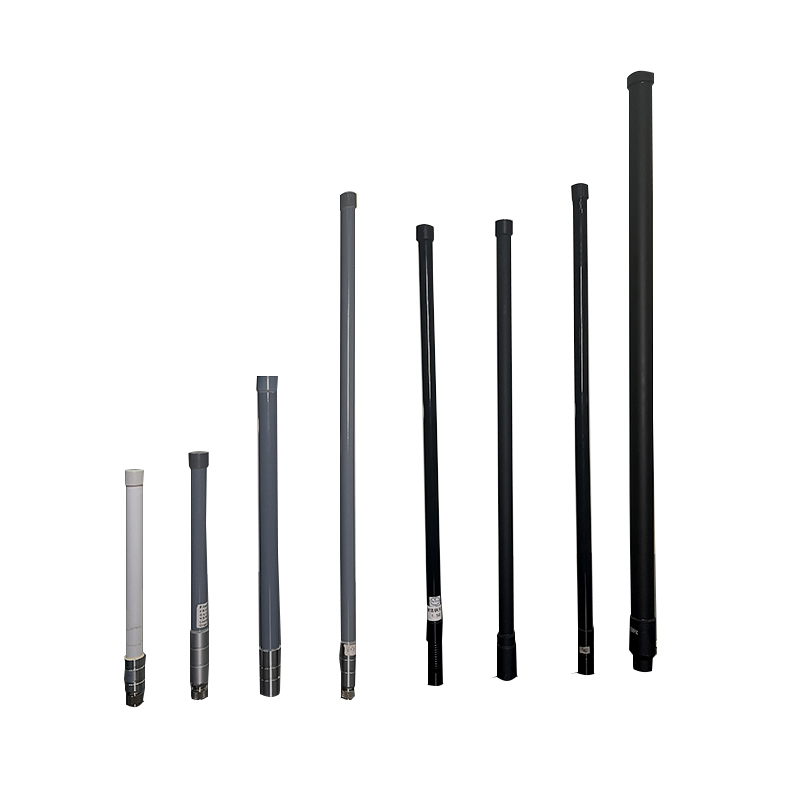
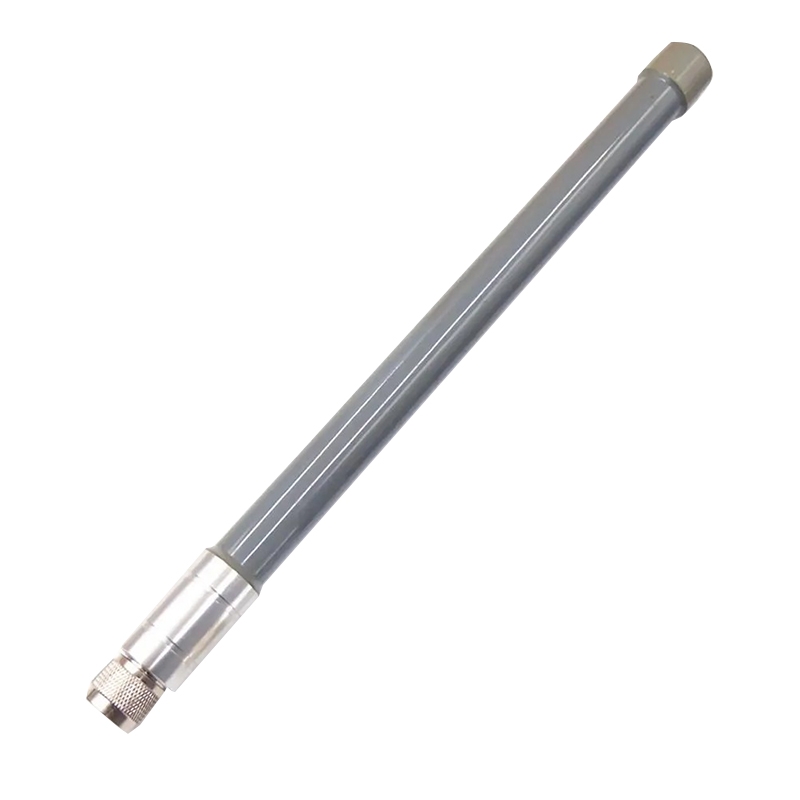
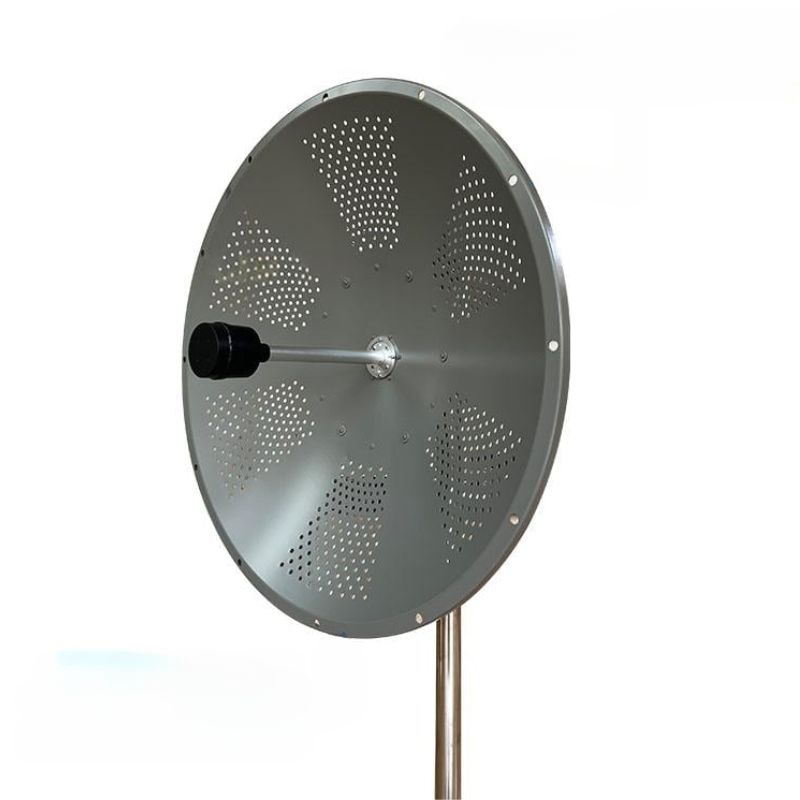
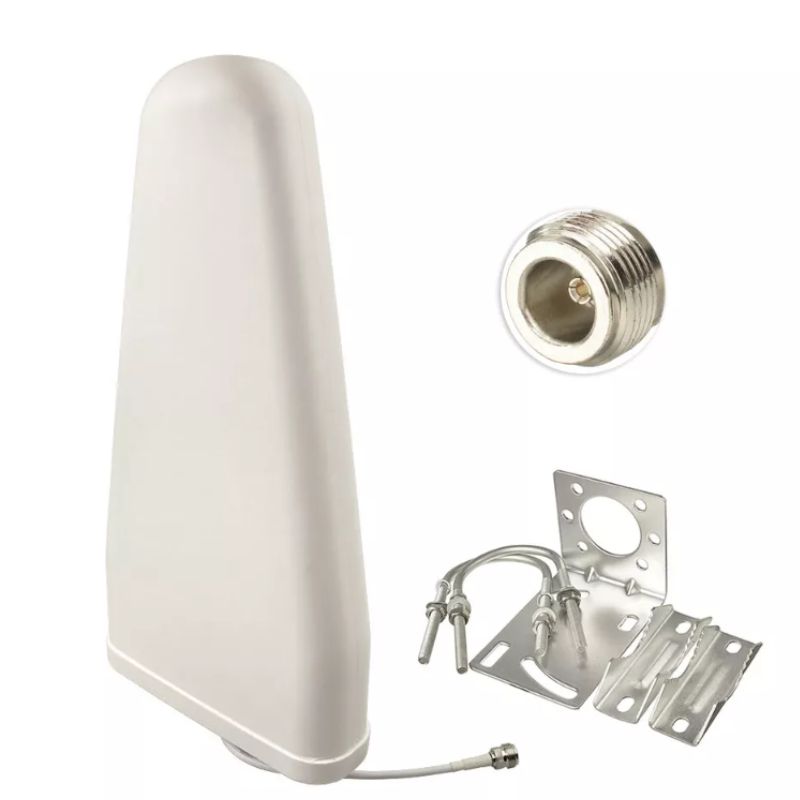
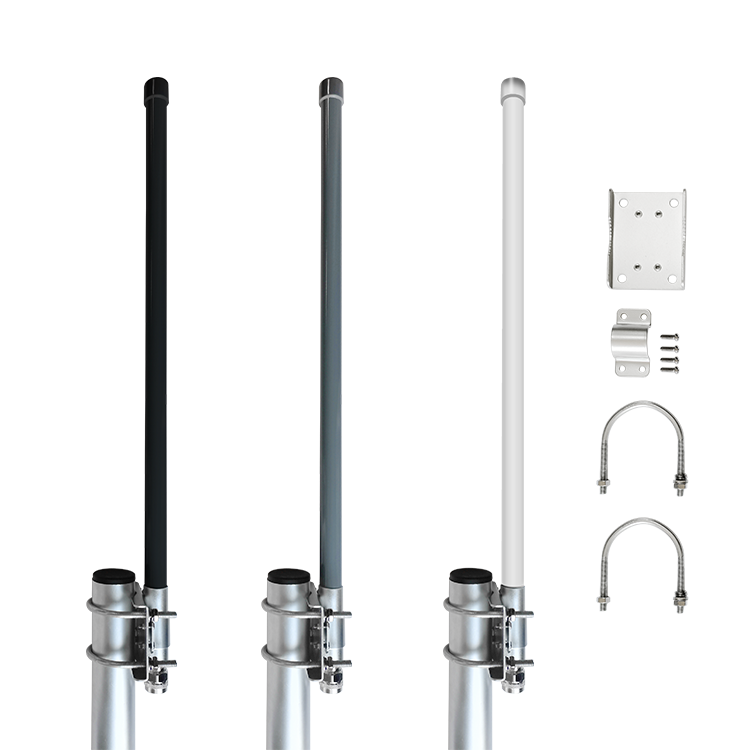
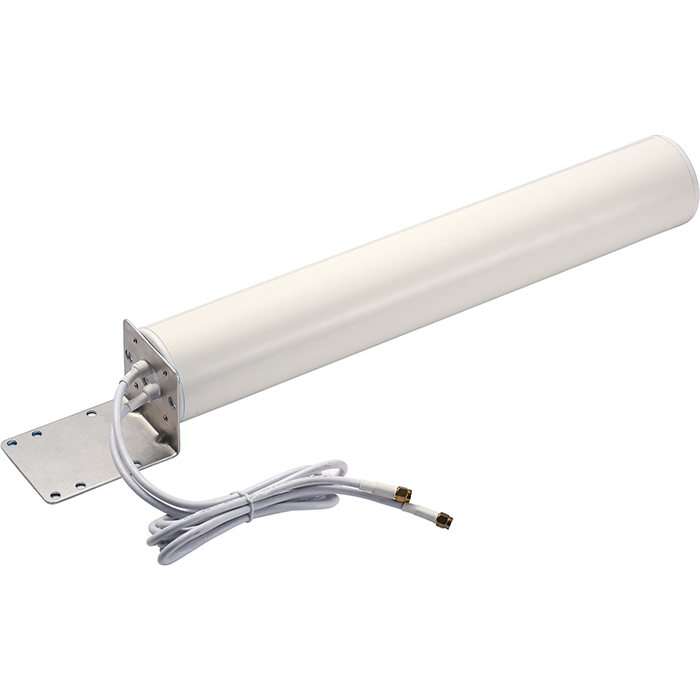
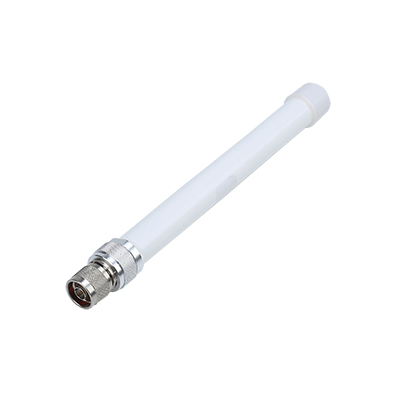
The first step in choosing a 4G antenna for weak signal areas is understanding the signal environment.Urban areas typically have better coverage due to dense cellular infrastructure,whereas rural or industrial zones often experience fluctuating reception.For weak signal areas,antennas with higher gain are essential.High-gain antennas focus signal reception in a specific direction,increasing the effective range and reducing interference.Depending on the environment,you may need either an omniDirectional Antenna,which captures signals from all directions,or a directional antenna,which targets a specific cell tower.
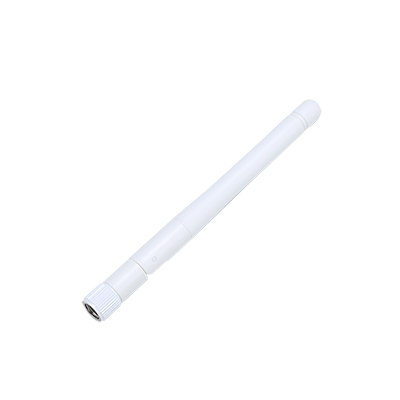
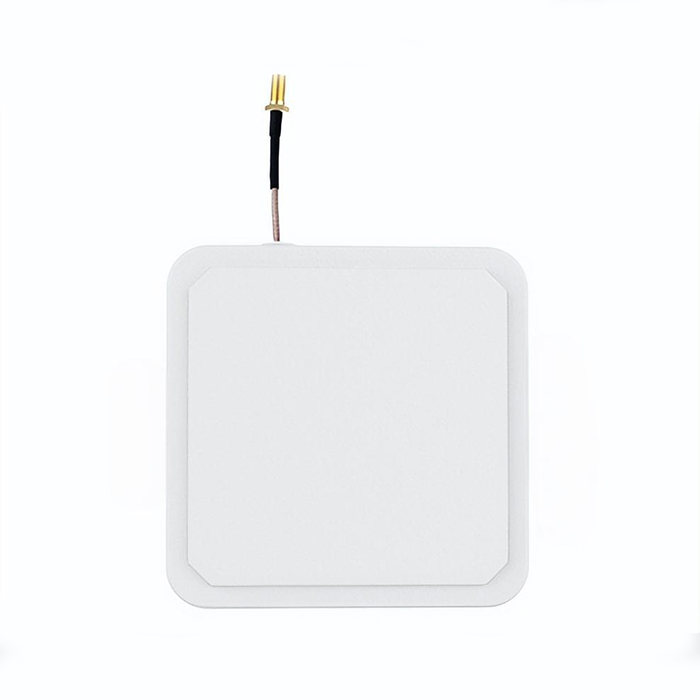
In addition to signal gain,it is important to consider frequency band compatibility.4G networks operate across multiple LTE bands,and your antenna should support the bands used by your network provider.Some antennas also include support for other communication standards,such as WIFI Antennas for local network coverage,LoRa Antennas for long-range,low-power sensor communication,and GNSS/GPS antennas for accurate location tracking.These integrated solutions are particularly useful in applications like logistics,vehicle tracking,or remote monitoring,where multiple data streams need to work simultaneously.
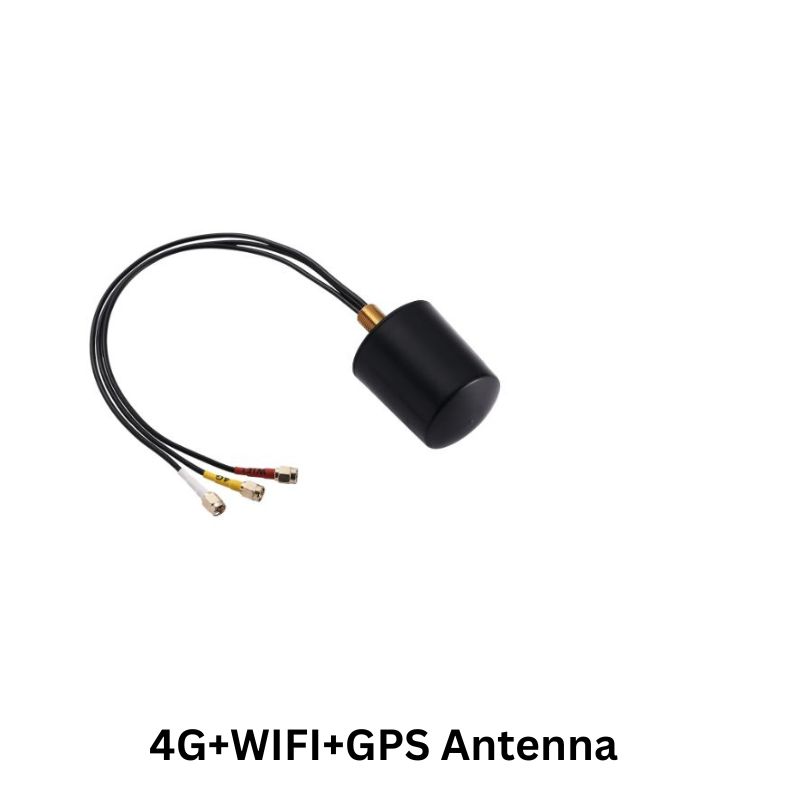
Mounting and installation are another critical factor.In weak signal areas,antenna placement can make a significant difference.Outdoor antennas should be mounted at the highest possible point with minimal obstructions,ensuring a clear line of sight to the nearest cell tower.Indoor antennas,on the other hand,may benefit from wall or window mounting,combined with signal repeaters if necessary.Choosing an antenna that is easy to install and compatible with your existing setup can save time and reduce costs while improving connectivity.
For industrial or harsh environments,durability and certification are key considerations.Many remote sites require antennas that are waterproof,dustproof,and capable of withstanding extreme temperatures.ATEX or PESO-rated antennas may be required in hazardous locations,ensuring compliance with safety standards.High-quality 4G antennas often come in rugged designs that also accommodate integrated WiFi,LoRa,or GNSS/GPS functions,allowing a single antenna to serve multiple purposes without sacrificing performance.
It is also essential to consider the type of devices and applications that will rely on the antenna.For IoT and M2M applications,LoRa antennas can support low-power,long-range communication,enabling sensors to transmit data efficiently.GNSS/GPS antennas ensure precise positioning,which is critical for fleet management,asset tracking,or agricultural monitoring.Integrating these functionalities with a 4G antenna provides a unified communication solution,reducing the need for multiple devices and simplifying maintenance.Similarly,WIFI Antennas can provide local connectivity in areas where wired networks are unavailable,complementing 4G coverage and ensuring seamless data access.
Cost and future scalability are also important.While high-gain,multi-functional antennas may have a higher initial cost,the long-term benefits of improved connectivity,reduced downtime,and multi-device support often outweigh the investment.Selecting a flexible antenna that can support WiFi,LoRa,and GNSS/GPS applications in addition to 4G ensures that your communication infrastructure can adapt to evolving requirements without the need for constant upgrades.
Finally,testing and monitoring are critical in weak signal areas.Even the best antennas require proper alignment and occasional adjustment to maintain optimal performance.Tools like signal meters or software-based network monitoring can help verify the effectiveness of the antenna and identify areas for improvement.For large-scale deployments,combining 4G antennas with WiFi access points,LoRa gateways,and GNSS/GPS modules ensures comprehensive coverage,reliable data transmission,and precise location tracking across all devices.
In conclusion,choosing the right 4G antenna for weak signal areas involves careful consideration of gain,frequency band support,placement,durability,and multi-functionality.Antennas that integrate WiFi,LoRa,and GNSS/GPS capabilities provide a versatile and future-proof solution,enhancing connectivity,device performance,and overall system reliability.By evaluating your specific environment and requirements,you can select a 4G antenna that not only strengthens weak signals but also supports a broad range of applications,ensuring seamless communication and efficient operation in even the most challenging areas.



Address: No.1 Sankeng Qinghutou Tangxia Dongguan Guangdong China TaiWan office: 558-2 ZhongHua,Zhubei,Xinzhu,Taiwan
Copyright © 2026 Dongguan RenFeng Electronic Technology Co.,Ltd All rights reserved.