





News
- Home
- Service
- Product Center
- Application
- About Us
- Videos
- News
- Contact Us

2025-12-13 13:35:19
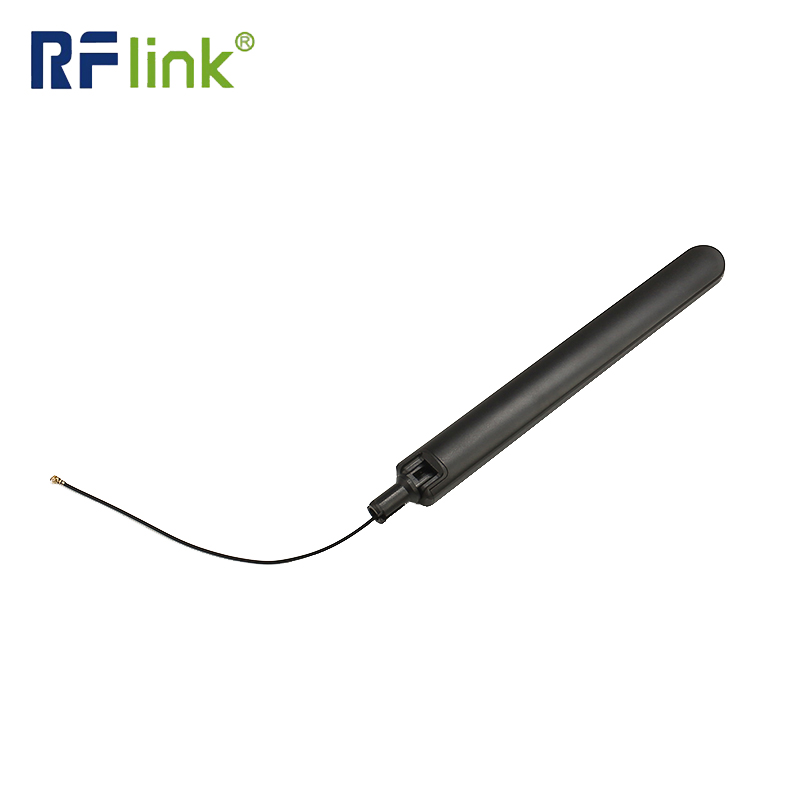
In today’s fast-paced telecommunications world,choosing the right 2G antenna is more than just a technical decision;it is an investment in reliability and performance.A 2G gsm antenna is a critical component for devices that rely on GSM networks,ensuring efficient transmission and reception of signals.Whether it is for mobile devices,IoT applications,or industrial equipment,understanding the materials used in a 2G cellular antenna can help buyers make the most informed choice.The material of a 2G antenna significantly affects its durability,signal quality,and overall lifespan.Common options include copper,aluminum,stainless steel,and composite plastics.Copper is widely used due to its excellent conductivity,which allows for stronger signal reception and transmission.Aluminum is lightweight,corrosion-resistant,and ideal for outdoor GSM 2G antenna installations.Stainless steel,though heavier,provides exceptional strength and longevity,especially in harsh weather conditions.Composite plastics are often found in indoor 2G antennas,offering flexibility in design and cost-effectiveness.
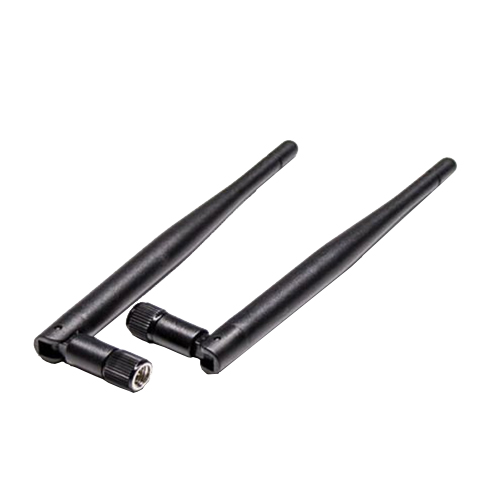
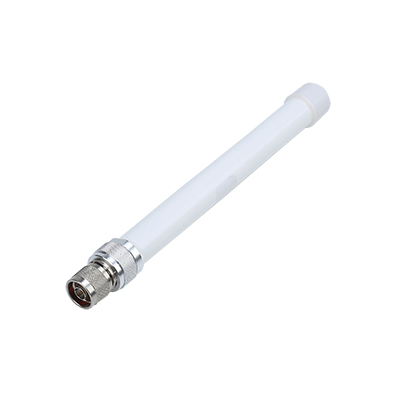
Outdoor 2G base station antennas are exposed to rain,snow,UV radiation,and temperature fluctuations.Selecting the right material ensures that the antenna withstands these elements without compromising performance.Aluminum and stainless steel tend to outperform other materials in extreme weather due to their resistance to corrosion and rust,while some UV-resistant plastics can maintain structural integrity but may degrade faster over time compared to metals.Material selection also impacts the efficiency of signal transmission.A poorly designed GSM 2G antenna made from substandard materials may result in signal loss,reduced range,and connectivity issues.For industrial IoT devices or remote 2G base station antennas,metal-based antennas are usually recommended because of their superior conductivity and shielding properties.
Maintenance plays a key role in prolonging the life of any 2G cellular antenna.Inspecting the antenna for damage,cleaning debris,and checking connectors are essential steps.Even high-quality GSM 2G antennas can fail prematurely if neglected.Choosing a durable material reduces maintenance frequency and ensures consistent performance over time.When selecting a 2G GSM antenna,it is crucial to consider the specific application.Indoor devices or low-cost solutions might be suitable with plastic composite antennas,while outdoor or industrial applications benefit more from aluminum or stainless steel 2G cellular antennas.Matching the antenna with the device’s frequency range and power requirements also maximizes efficiency.Understanding the materials used in 2G antennas is essential for anyone deploying GSM 2G antennas or 2G cellular antennas for industrial,IoT,or mobile applications.Investing in high-quality materials not only extends the antenna’s lifespan but also ensures stable signal transmission,reduces maintenance costs,and improves overall network performance.Whether upgrading existing 2G base station antennas or selecting new ones,material selection should remain a top priority.



Address: No.1 Sankeng Qinghutou Tangxia Dongguan Guangdong China TaiWan office: 558-2 ZhongHua,Zhubei,Xinzhu,Taiwan
Copyright © 2026 Dongguan RenFeng Electronic Technology Co.,Ltd All rights reserved.