






News
- Home
- Service
- Product Center
- Application
- About Us
- Videos
- News
- Contact Us

2025-12-18 15:35:09
As global demand for reliable mobile internet continues to rise,the topic of how to connect an external 4G antenna to a router is receiving increasing attention across multiple industries.From remote work and smart manufacturing to transportation and temporary network deployment,improving 4G signal quality has become a practical concern rather than a purely technical one.
In recent years,more enterprises and individual users have realized that network instability is not always caused by service providers.Instead,signal attenuation inside buildings,complex environments,and limited Router Antenna performance are often the real bottlenecks.This has driven renewed interest in external 4g antenna solutions and their integration with routers.
Weak Signal Challenges Drive New Solutions
According to industry observations,4G LTE coverage is now widespread,yet signal quality varies significantly depending on location.Warehouses with metal structures,rural offices,construction sites,and mobile installations such as vehicles often suffer from weak or fluctuating signals.
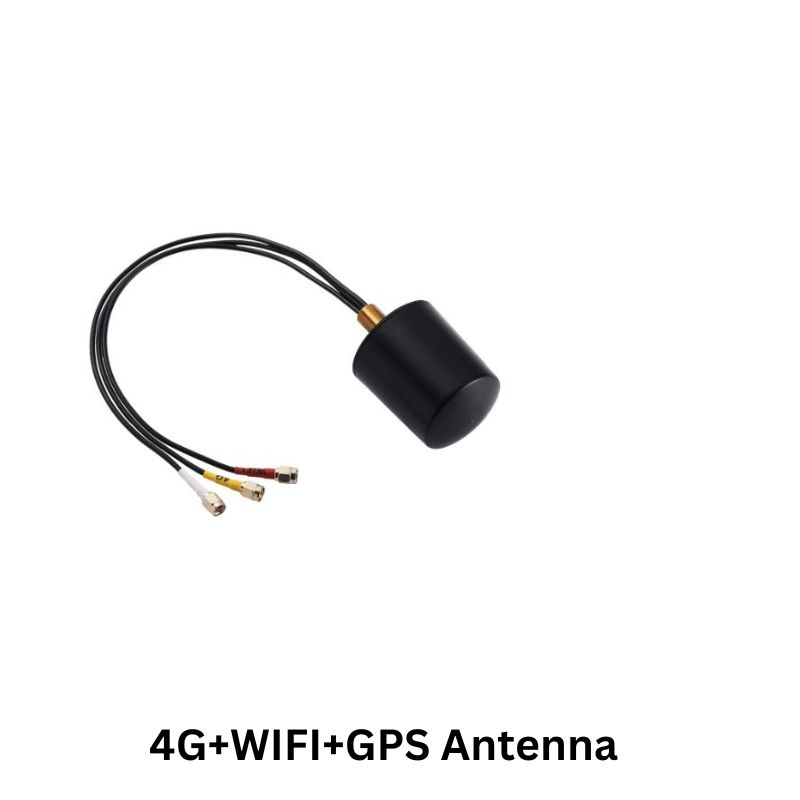
In these scenarios,simply upgrading data plans or changing SIM cards rarely delivers long-term improvement.As a result,connecting an external 4G antenna to a router has emerged as a practical method to enhance signal reception without replacing existing network infrastructure.
Network engineers point out that routers equipped with external antenna interfaces allow users to relocate the signal reception point to a more favorable position,such as near windows,rooftops,or open areas,effectively bypassing indoor signal loss.
External 4G Antennas Gain Attention Beyond Technical Circles
What makes this trend noteworthy is that it is no longer limited to IT professionals.Small business owners,field engineers,and even home users are increasingly searching for information on how to connect external 4G antennas to routers.
This shift reflects a broader change in user behavior.Internet connectivity is now directly tied to productivity,remote monitoring,cloud-based systems,and customer communication.When connectivity fails,operational risks increase.
Industry suppliers report that inquiries about external 4G antennas have grown steadily,especially from sectors such as logistics,security systems,smart agriculture,and temporary event networking.
Router Design Adapts to Market Demand
Router manufacturers have also responded to this growing demand.More 4G LTE routers are now designed with dedicated external antenna ports,supporting multiple antenna configurations such as MIMO.
This design shift makes it easier for users to connect external antennas without complex modifications.In many cases,routers automatically detect external antennas once connected,allowing signal optimization with minimal configuration.
Experts note that this trend reflects a broader emphasis on modular and flexible network solutions,where performance improvements can be achieved through accessories rather than full system replacements.
Practical Connection Becomes a Key Consideration
While the technical act of connecting an external 4G antenna to a router is relatively simple,its impact on network performance can be significant.Industry feedback shows noticeable improvements in signal stability,especially in locations with marginal coverage.
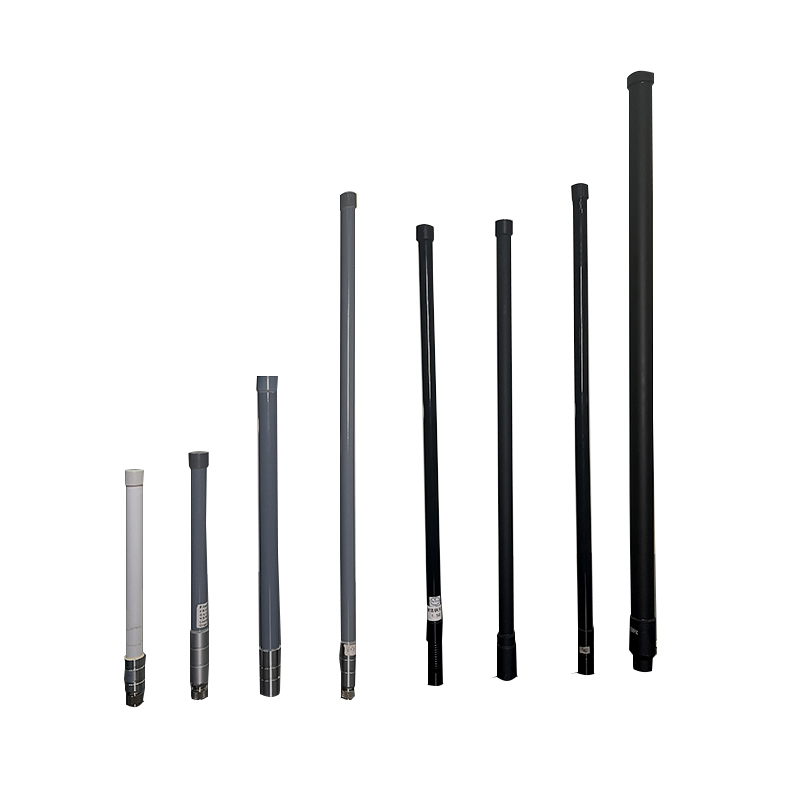
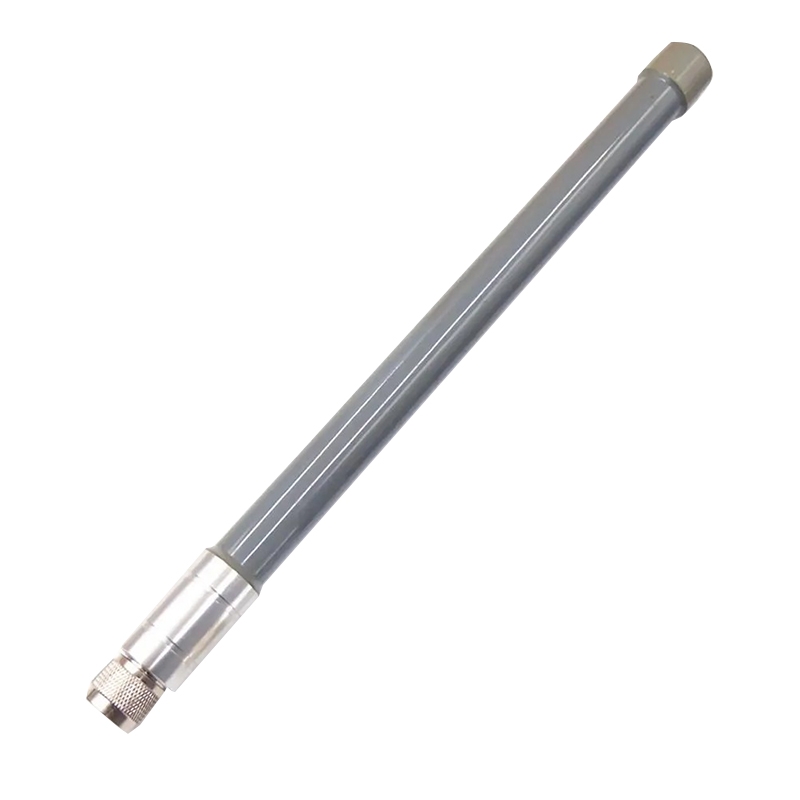
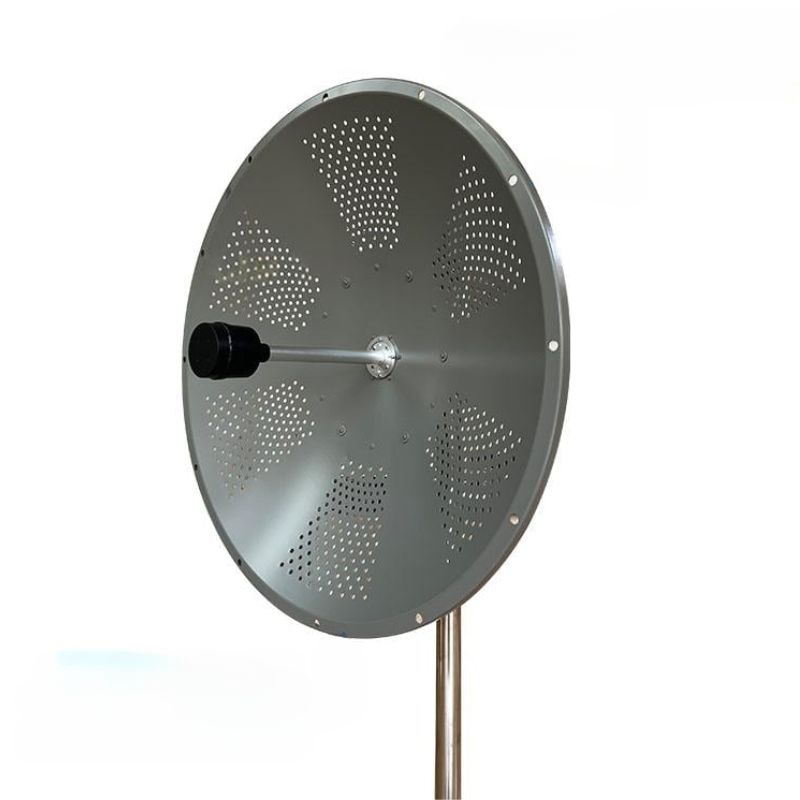
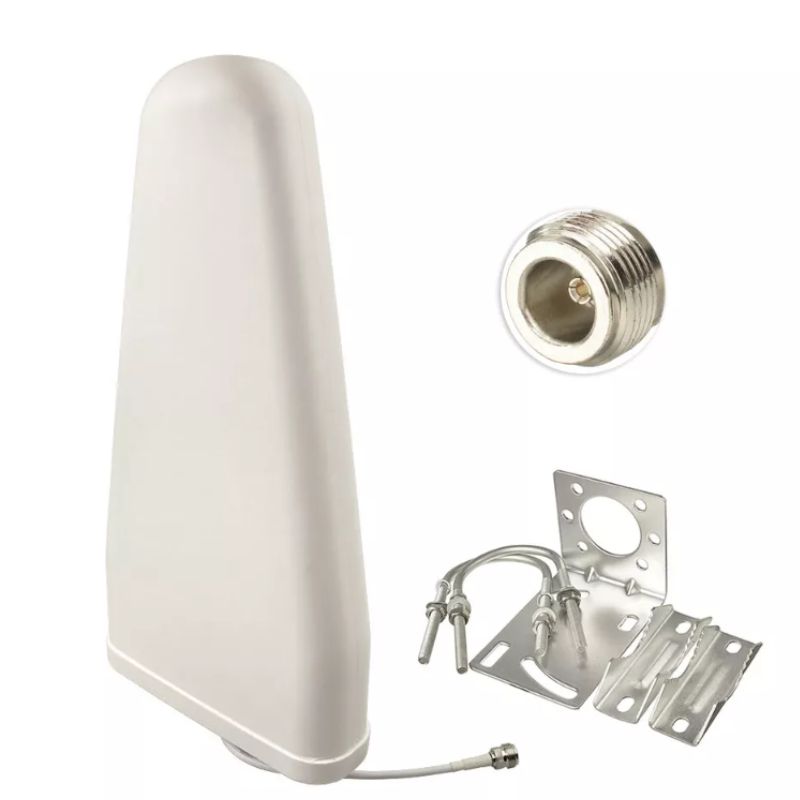
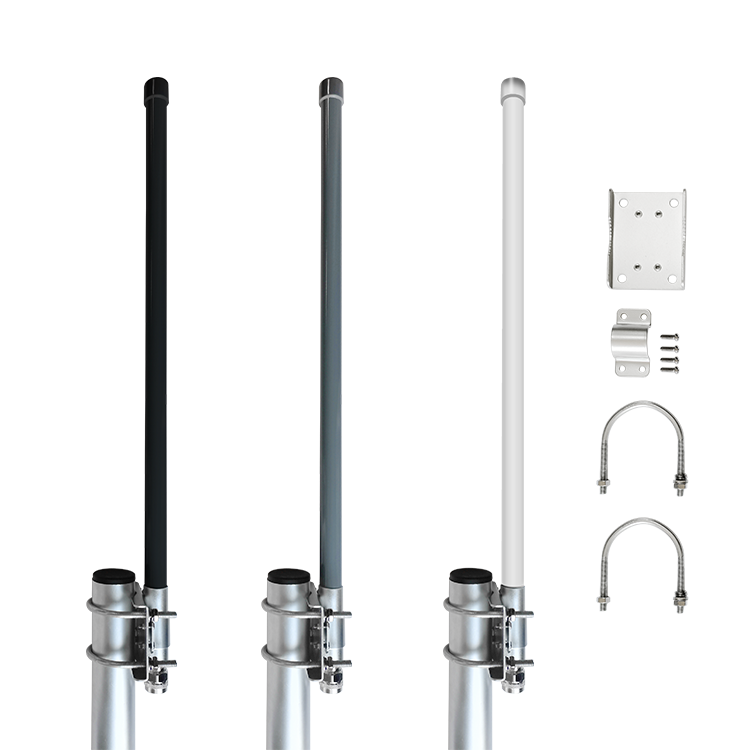
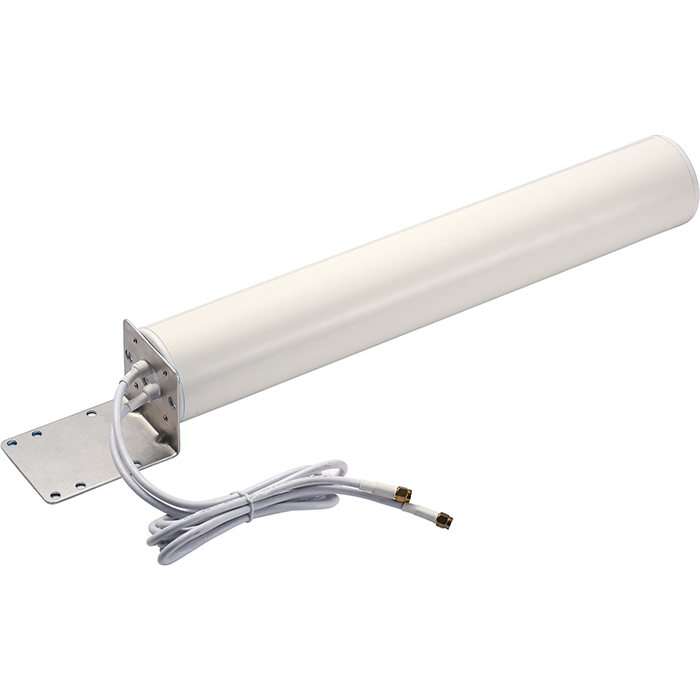
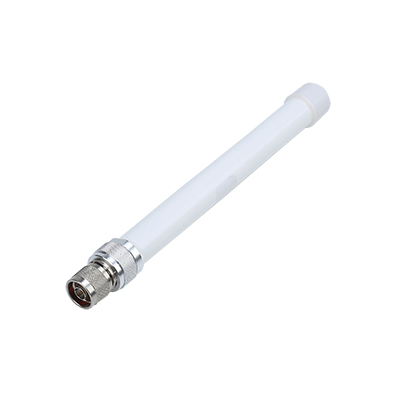
Outdoor antennas mounted at higher elevations have proven particularly effective in overcoming environmental interference.Meanwhile,omniDirectional Antennas remain popular in urban environments where signal sources are scattered.
The growing availability of compatible antennas has also reduced barriers for adoption,making signal enhancement more accessible across different user groups.
Industrial and Commercial Applications Expand Rapidly
Beyond residential use,commercial and industrial applications are driving much of the interest in external 4G antenna connectivity.
Factories rely on stable data transmission for equipment monitoring.Construction sites use temporary networks for project coordination.Transportation systems require consistent connectivity for tracking and communication.
In all these scenarios,connecting an external 4G antenna to a router provides a cost-effective way to improve reliability without installing wired infrastructure.This is particularly valuable in locations where fiber or fixed broadband is unavailable or impractical.
From 4G Optimization to Long-Term Network Strategy
Industry analysts note that discussions around external antennas are increasingly linked to long-term network planning.While 5G deployment continues globally,4G remains the backbone of many regions and will do so for years to come.
Many external antenna solutions are now designed to support both 4G LTE and sub-6GHz 5G frequencies.This allows users to enhance current performance while preparing for future network upgrades.
As a result,learning how to connect external 4G antennas to routers is seen not just as a short-term fix,but as part of a broader connectivity strategy.
Market Education Becomes Increasingly Important
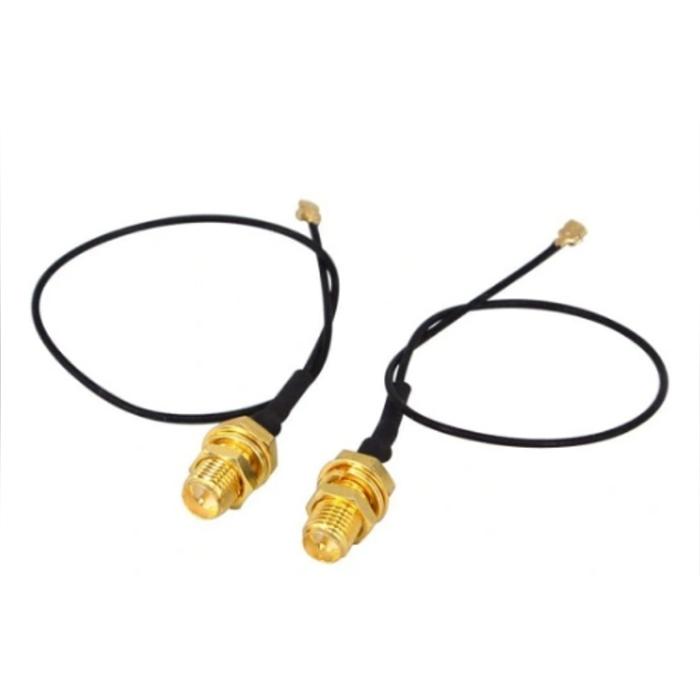
Despite growing interest,there is still a knowledge gap among users regarding antenna compatibility,connector types,and proper installation practices.Industry professionals emphasize the importance of choosing antennas that match router specifications and local frequency bands.
Manufacturers and solution providers are now investing more in educational content,aiming to help users understand not only how to connect external 4G antennas to routers,but also how to maximize their benefits responsibly and safely.
Conclusion
The question of how to connect an external 4G antenna to a router has evolved from a technical inquiry into a broader industry topic.It reflects changing connectivity needs,practical challenges in real-world environments,and the growing demand for flexible,reliable network solutions.
As businesses and individuals continue to depend on mobile networks for daily operations,external 4G antennas are likely to remain a key component in optimizing connectivity.Their increasing adoption signals a shift toward smarter,more adaptable network infrastructures that prioritize performance without unnecessary complexity.



Address: No.1 Sankeng Qinghutou Tangxia Dongguan Guangdong China TaiWan office: 558-2 ZhongHua,Zhubei,Xinzhu,Taiwan
Copyright © 2026 Dongguan RenFeng Electronic Technology Co.,Ltd All rights reserved.