





News
- Home
- Service
- Product Center
- Application
- About Us
- Videos
- News
- Contact Us

2025-12-27 16:16:00
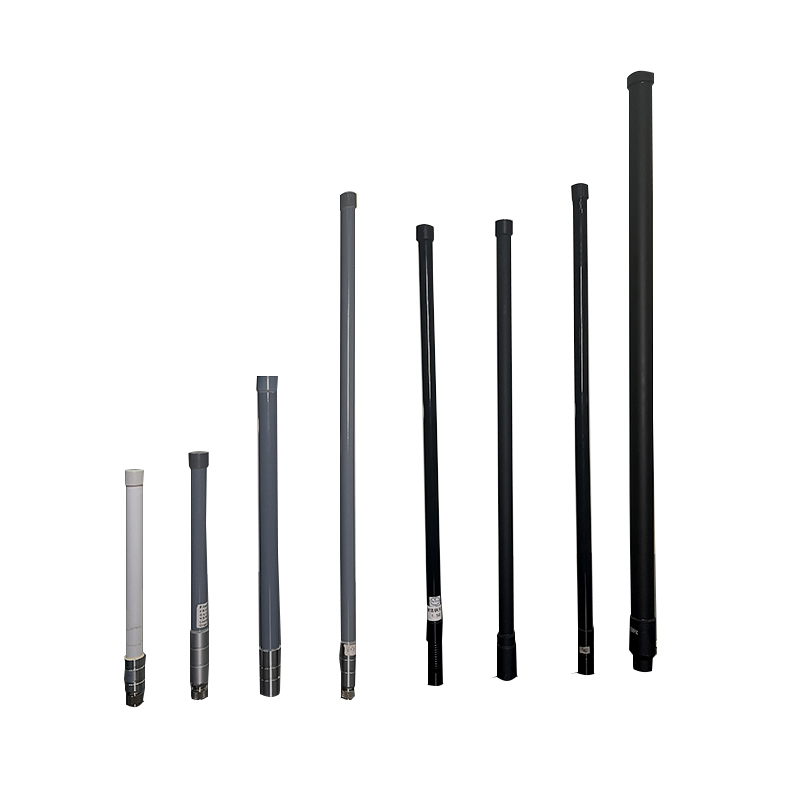
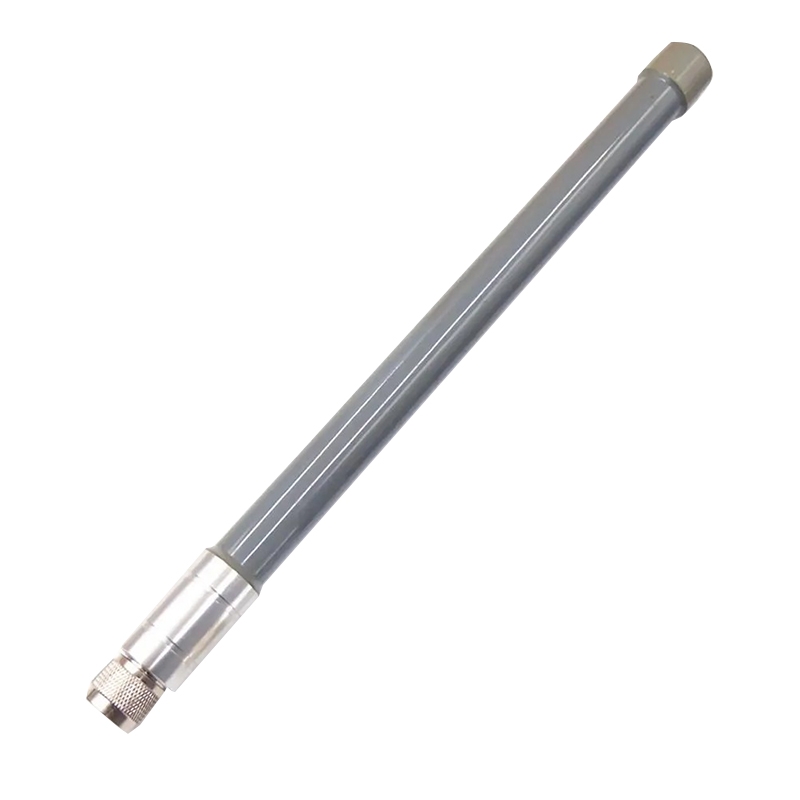
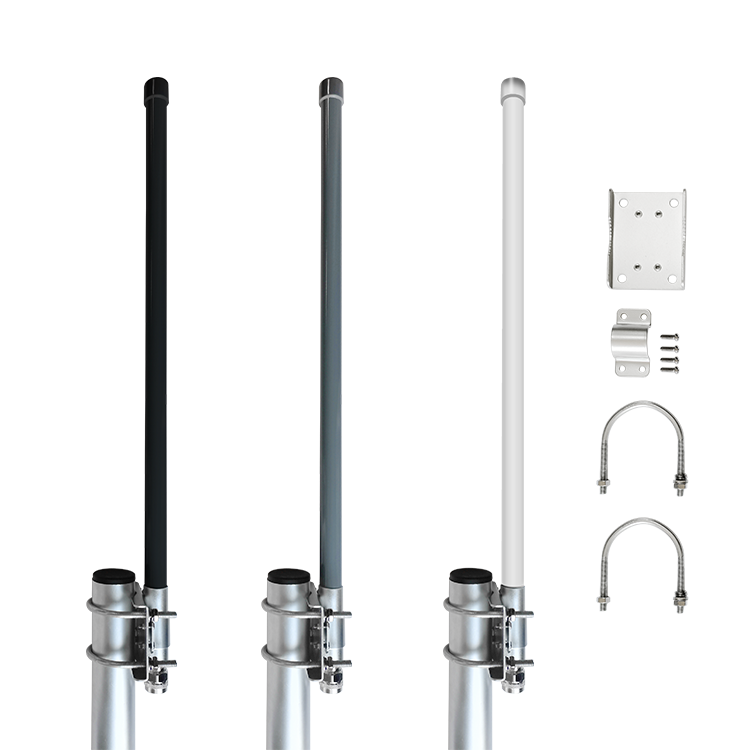
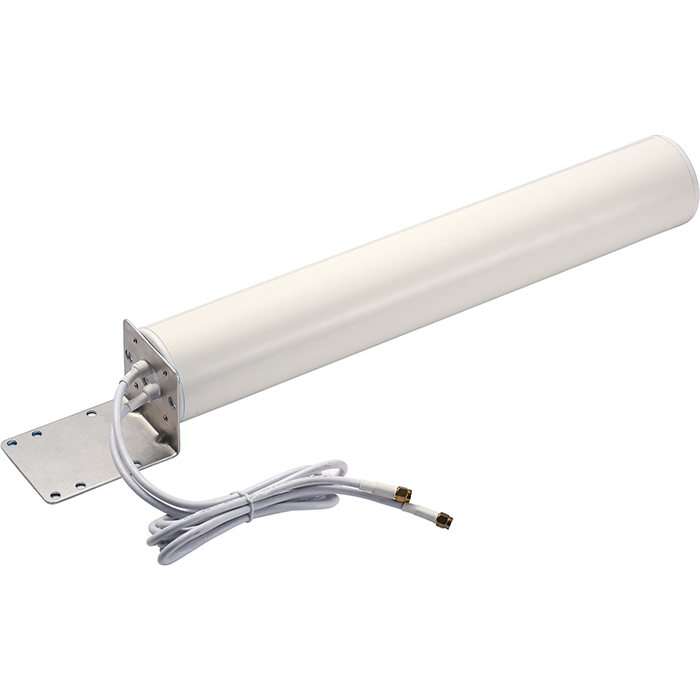
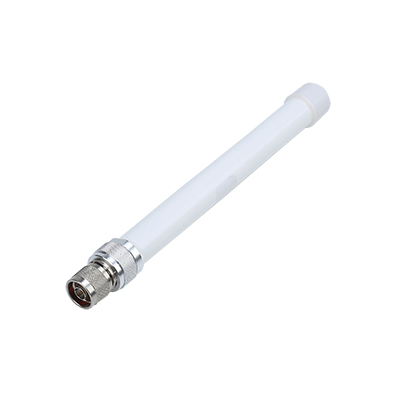
In modern communication systems,antenna performance directly affects signal quality,system stability,and long-term operational costs.As wireless networks continue to expand into more complex and demanding environments,the materials used to support and protect antennas have become just as important as the antenna design itself.Among these materials,the Fiberglass antenna has emerged as one of the most widely used solutions across multiple communication sectors.
fiberglass antennas are commonly found in base stations,marine communication systems,public safety networks,outdoor wireless infrastructure,and industrial communication projects.Their popularity is not accidental.It is driven by a combination of electrical,mechanical,and environmental advantages that traditional metal-based antennas and supports often struggle to provide.
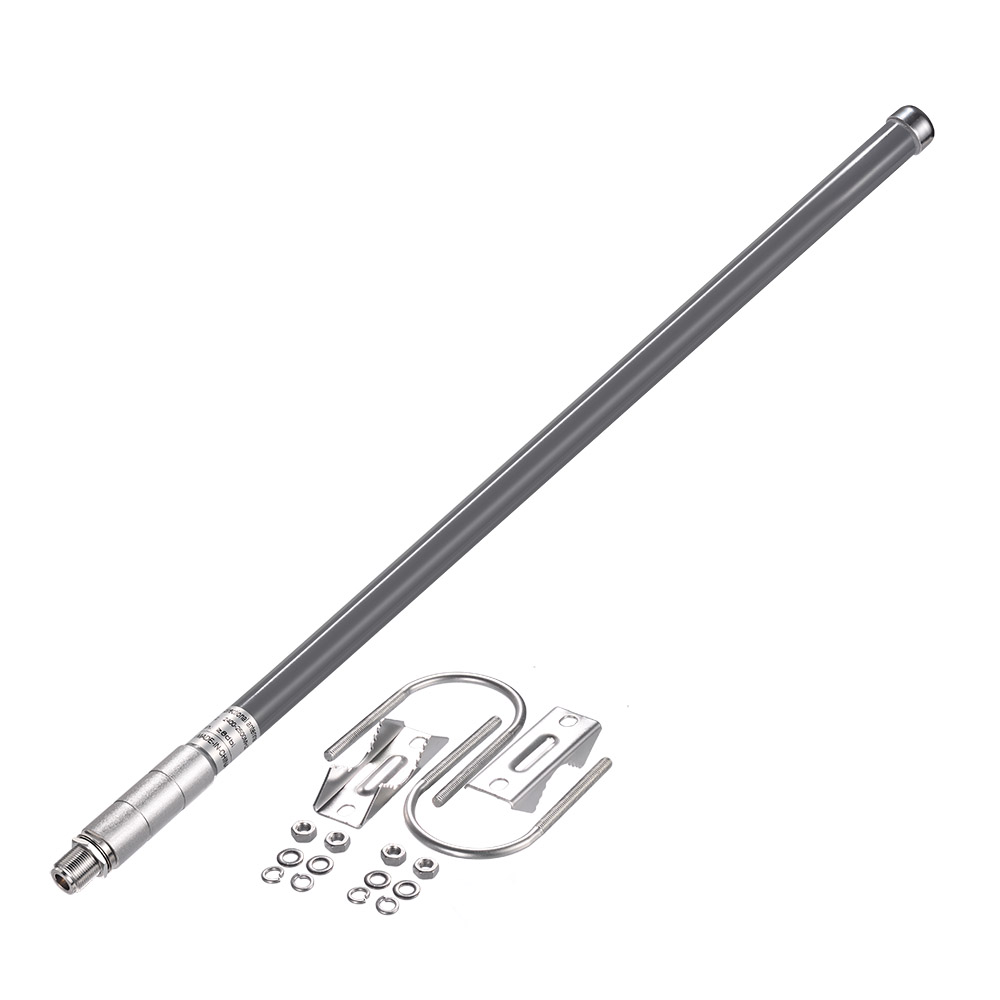
One of the most important reasons Fiberglass Antennas are widely used is their excellent electromagnetic transparency.Fiberglass is a non-conductive material,which means it does not interfere with radio frequency signals.Unlike metal structures that can cause reflection,signal distortion,or unwanted attenuation,a fiberglass antenna allows electromagnetic waves to pass through with minimal loss.This characteristic is critical in communication systems where signal clarity,stability,and transmission efficiency are essential.
In outdoor and long-range communication environments,antenna performance can easily be compromised by surrounding materials.A fiberglass antenna mast or fiberglass antenna pole provides a stable physical structure without negatively affecting signal radiation patterns.This makes fiberglass-based solutions especially suitable for base stations,relay towers,and wireless access points where consistent signal coverage is required.
Another key factor contributing to the widespread adoption of fiberglass antennas is their resistance to harsh environmental conditions.Communication systems are often installed outdoors and exposed to wind,rain,UV radiation,salt spray,temperature fluctuations,and pollution.Fiberglass materials offer outstanding corrosion resistance compared to steel or aluminum,which can oxidize or degrade over time.
In coastal areas and marine communication systems,metal antenna structures are particularly vulnerable to corrosion caused by saltwater and humid air.A fiberglass antenna mast,on the other hand,maintains its structural integrity and appearance even after long-term exposure.This durability significantly reduces maintenance frequency and replacement costs,making fiberglass antennas a cost-effective long-term solution.
Weight is another practical advantage that makes fiberglass antennas attractive for communication projects.Fiberglass is much lighter than most metals while still offering excellent mechanical strength.This reduced weight simplifies transportation,installation,and structural load requirements.For tower-mounted systems or rooftop installations,using a lightweight fiberglass antenna pole helps reduce stress on supporting structures and improves overall safety.
In many communication projects,especially in remote or elevated locations,ease of installation can directly impact project timelines and labor costs.Fiberglass antenna masts are easier to handle,require fewer heavy-duty lifting tools,and can be installed more efficiently compared to traditional metal masts.This is one reason fiberglass antennas are commonly used in emergency communication systems and temporary network deployments.
Electrical insulation is another critical advantage of fiberglass antennas in communication systems.Because fiberglass does not conduct electricity,it provides an additional layer of safety,especially in environments where lightning strikes or electrical surges may occur.While no antenna system is completely immune to lightning,fiberglass antenna structures reduce the risk of unintended current paths and secondary electrical damage.
This insulation property also makes fiberglass antenna poles suitable for installations near power lines,industrial facilities,or electrically sensitive environments.In such cases,minimizing electrical interference and improving operational safety are top priorities for system designers and engineers.
From a design perspective,fiberglass antennas offer a high degree of flexibility.Fiberglass can be molded into various shapes,diameters,and lengths,allowing manufacturers to customize antenna housings,poles,and masts according to specific frequency ranges,wind load requirements,and installation conditions.This adaptability supports a wide range of communication standards,including VHF,UHF,LTE,and emerging wireless technologies.
The smooth surface finish of fiberglass antennas also contributes to their performance and longevity.Compared to metal surfaces that may require regular coating or anti-corrosion treatment,fiberglass antenna masts typically need minimal surface maintenance.UV-resistant coatings further extend service life,especially in regions with strong sunlight exposure.
Cost efficiency plays an important role in large-scale communication projects.While the initial price of a fiberglass antenna may be comparable to or slightly higher than some metal alternatives,the total cost of ownership is often lower.Reduced maintenance,longer service life,and fewer replacements translate into long-term savings for network operators and infrastructure developers.
Additionally,fiberglass antenna poles are increasingly favored in projects that require aesthetic considerations.In urban environments,residential areas,or public spaces,fiberglass antennas can be designed with neutral colors and smooth profiles that blend more naturally into their surroundings.This visual advantage helps communication providers meet regulatory and community requirements without compromising performance.
As communication systems continue to evolve toward higher frequencies,denser networks,and more demanding environments,material selection will remain a critical factor.The fiberglass antenna has proven itself as a reliable,efficient,and versatile solution that meets both technical and practical requirements.
For system integrators,network operators,and project managers,choosing a fiberglass antenna mast or fiberglass antenna pole is not just a material decision—it is a strategic investment in performance stability,safety,and long-term operational efficiency.These advantages explain why fiberglass antennas continue to play a central role in modern communication systems worldwide.



Address: No.1 Sankeng Qinghutou Tangxia Dongguan Guangdong China TaiWan office: 558-2 ZhongHua,Zhubei,Xinzhu,Taiwan
Copyright © 2026 Dongguan RenFeng Electronic Technology Co.,Ltd All rights reserved.