





News
- Home
- Service
- Product Center
- Application
- About Us
- Videos
- News
- Contact Us

2025-12-27 16:16:26
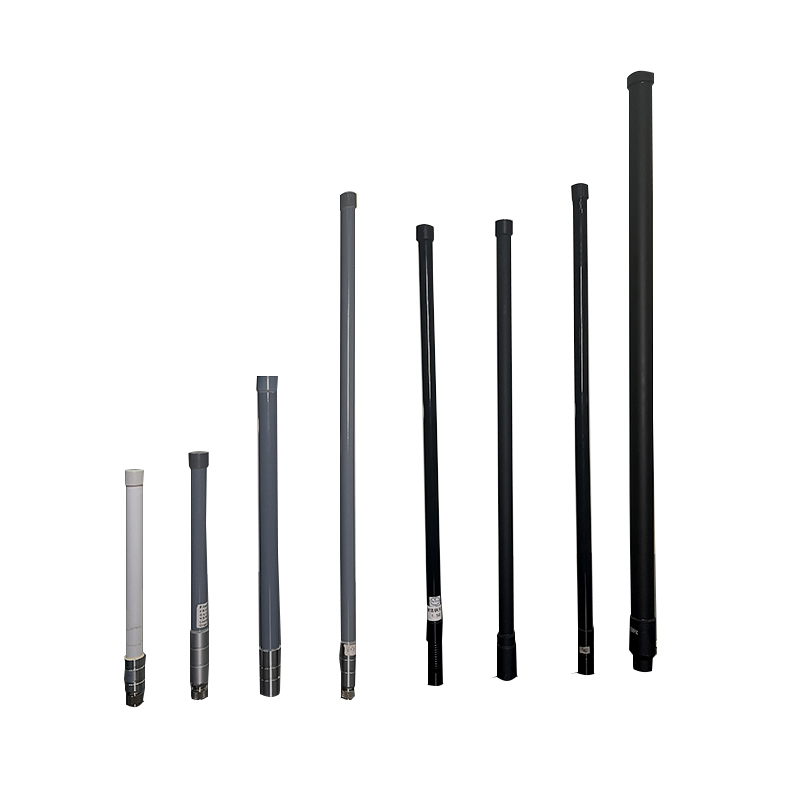
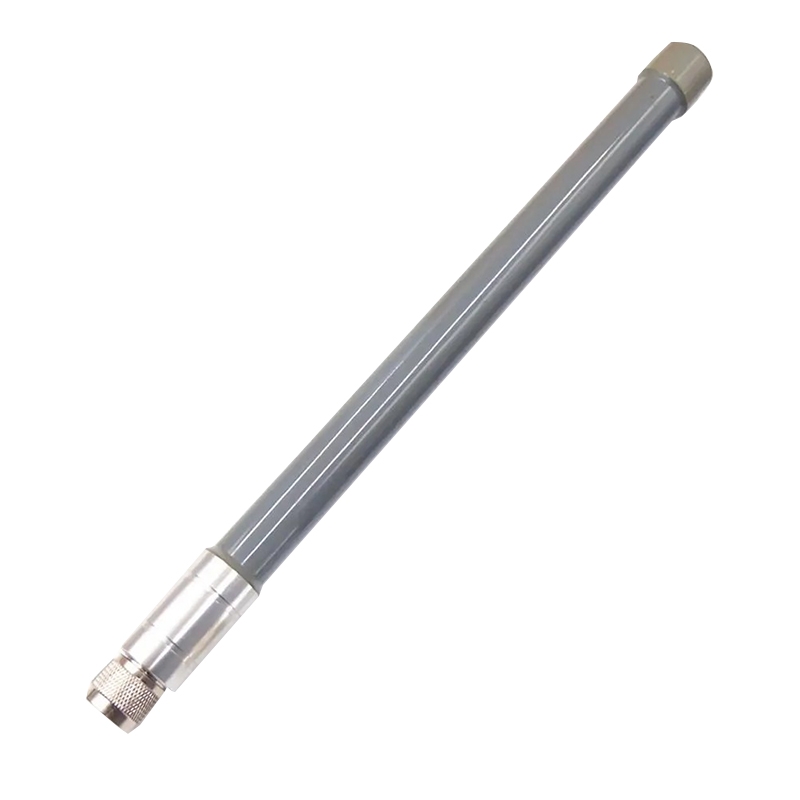
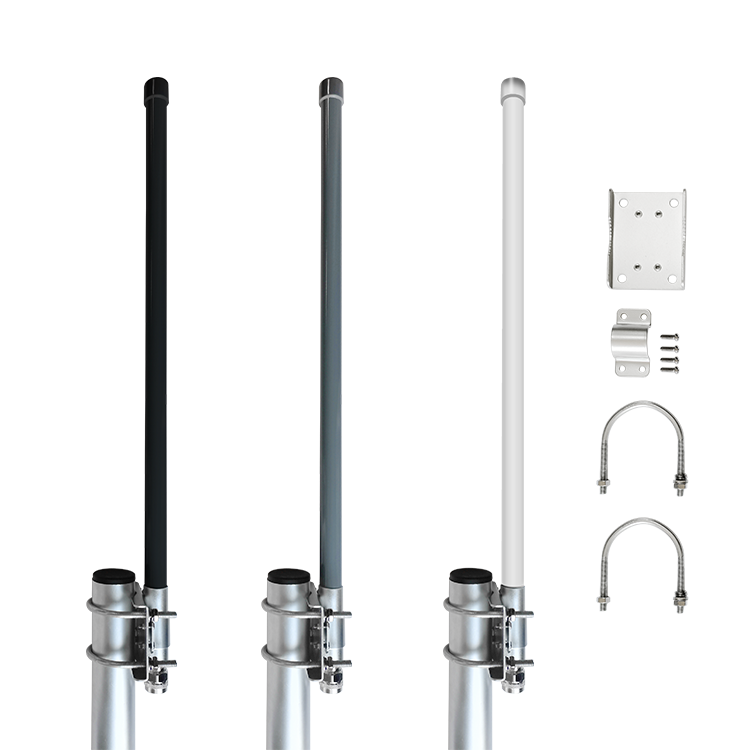
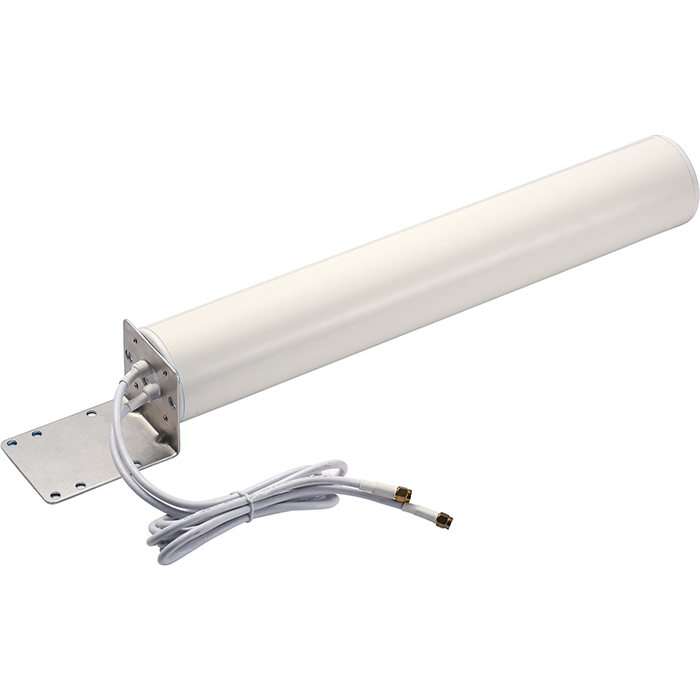
In communication systems,protecting antenna components while maintaining optimal signal performance is a constant engineering challenge.This is where antenna radomes play a critical role.Among various radome materials,the Fiberglass antenna radome has become one of the most widely adopted solutions due to its unique balance of protection,performance,and durability.
A radome serves as a protective enclosure for antennas,shielding them from environmental hazards without significantly affecting electromagnetic transmission.Fiberglass has proven to be an ideal material for this purpose,offering advantages that align perfectly with the needs of modern communication infrastructure.
One of the most significant advantages of a fiberglass antenna radome is its excellent radio frequency transparency.Fiberglass allows radio waves to pass through with minimal signal loss or distortion.This characteristic ensures that antenna performance remains stable and predictable,even when fully enclosed within a protective structure.
In contrast,radomes made from conductive materials can interfere with signal patterns and reduce transmission efficiency.Fiberglass Antenna radomes eliminate this issue,making them suitable for high-performance communication systems where signal accuracy is critical.
Environmental protection is another key benefit.Communication antennas are frequently installed in outdoor locations where they are exposed to rain,wind,dust,UV radiation,ice,and extreme temperatures.A fiberglass antenna radome provides a robust barrier against these elements,extending the lifespan of the antenna and maintaining consistent performance over time.
In coastal,desert,and industrial environments,airborne salt,sand,or chemical pollutants can rapidly degrade exposed antenna components.Fiberglass radomes resist corrosion and chemical attack,making them ideal for challenging conditions where metal enclosures may fail prematurely.
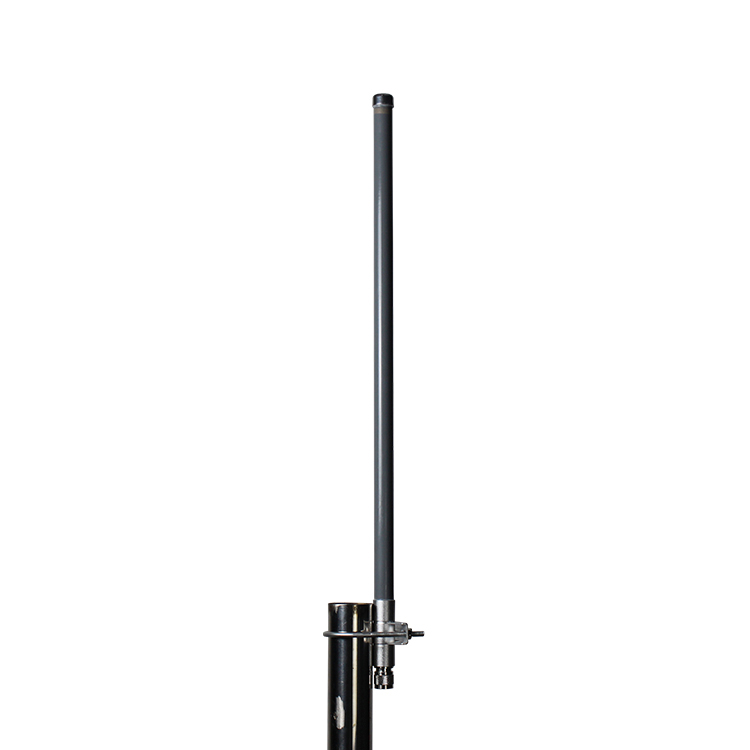
Mechanical strength combined with lightweight construction is another advantage of fiberglass antenna radomes.Fiberglass offers high structural strength without excessive weight,which is essential for installations on towers,rooftops,and elevated structures.When paired with a fiberglass antenna mast or fiberglass antenna pole,the entire antenna system benefits from reduced load stress and improved structural stability.
This lightweight nature simplifies installation and maintenance.Technicians can install fiberglass radomes more efficiently,reducing labor costs and minimizing downtime during upgrades or repairs.In remote or hard-to-access locations,these advantages become even more valuable.
Thermal stability is another important consideration.Fiberglass antenna radomes perform well across a wide temperature range,maintaining structural integrity and RF performance in both hot and cold climates.This stability helps prevent deformation,cracking,or performance degradation that can occur with less suitable materials.
Fiberglass radomes also support customization in design and size.Manufacturers can tailor radome thickness,shape,and finish to match specific antenna frequencies and environmental requirements.This design flexibility allows the fiberglass antenna radome to be optimized for various communication standards while maintaining aesthetic and functional consistency.
From a safety perspective,fiberglass radomes offer electrical insulation benefits similar to those of fiberglass antenna poles and masts.Non-conductive properties reduce the risk of electrical hazards and help protect sensitive equipment from unintended electrical currents.This makes fiberglass radomes especially suitable for installations in lightning-prone areas or near high-voltage infrastructure.
Long-term cost efficiency is another reason fiberglass antenna radomes are widely used.While initial material costs may vary depending on customization and specifications,fiberglass radomes require minimal maintenance compared to metal alternatives.They do not require frequent repainting or anti-corrosion treatments,resulting in lower lifetime costs.
Aesthetic considerations are becoming increasingly important in communication infrastructure projects.Fiberglass antenna radomes can be finished in neutral or custom colors,allowing them to blend into urban landscapes or natural environments.This visual adaptability helps communication providers comply with zoning regulations and community expectations without sacrificing performance.
When combined with a fiberglass antenna mast and fiberglass antenna pole,the radome becomes part of a fully integrated system designed for durability,safety,and optimal signal transmission.This integrated approach is especially valuable in large-scale network deployments where consistency and reliability are essential.
As wireless communication technologies continue to advance,antenna protection solutions must evolve alongside them.The fiberglass antenna radome offers a proven balance of RF performance,environmental resistance,and mechanical reliability.These advantages explain why fiberglass radomes are trusted across industries such as telecommunications,marine communication,public safety networks,and industrial wireless systems.
For buyers,system designers,and network operators,choosing a fiberglass antenna radome is not simply about protecting equipment—it is about ensuring long-term performance,reducing operational risks,and supporting the future growth of communication infrastructure.



Address: No.1 Sankeng Qinghutou Tangxia Dongguan Guangdong China TaiWan office: 558-2 ZhongHua,Zhubei,Xinzhu,Taiwan
Copyright © 2026 Dongguan RenFeng Electronic Technology Co.,Ltd All rights reserved.