






News
- Home
- Service
- Product Center
- Application
- About Us
- Videos
- News
- Contact Us

2026-01-17 11:59:00
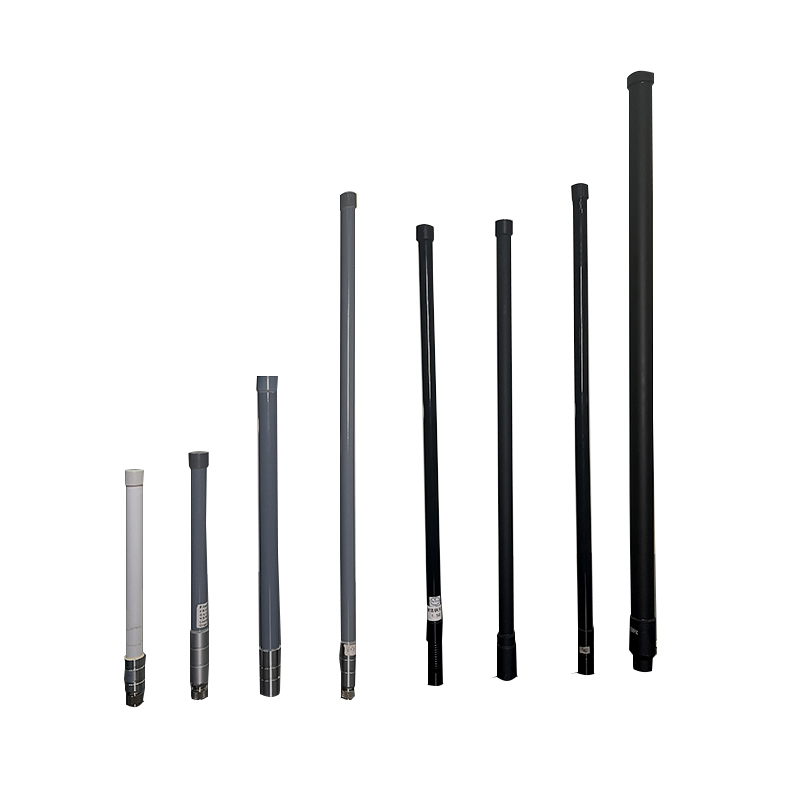
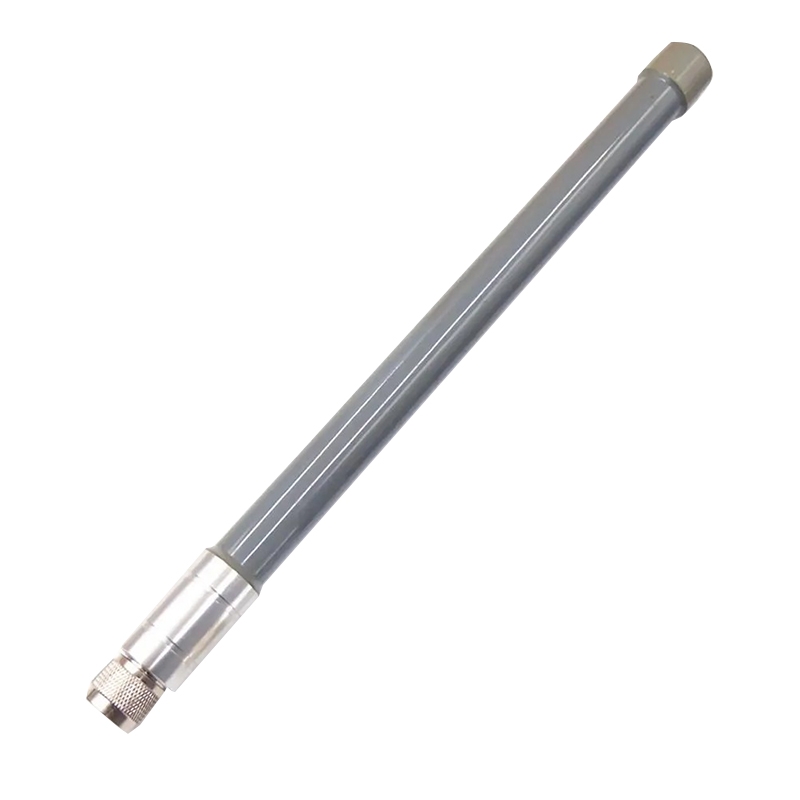
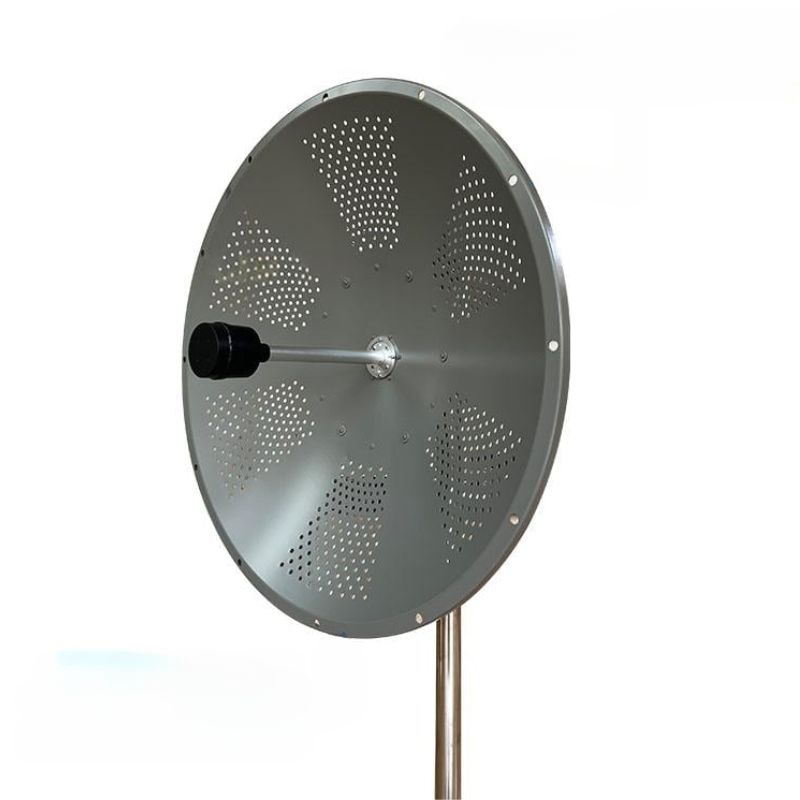
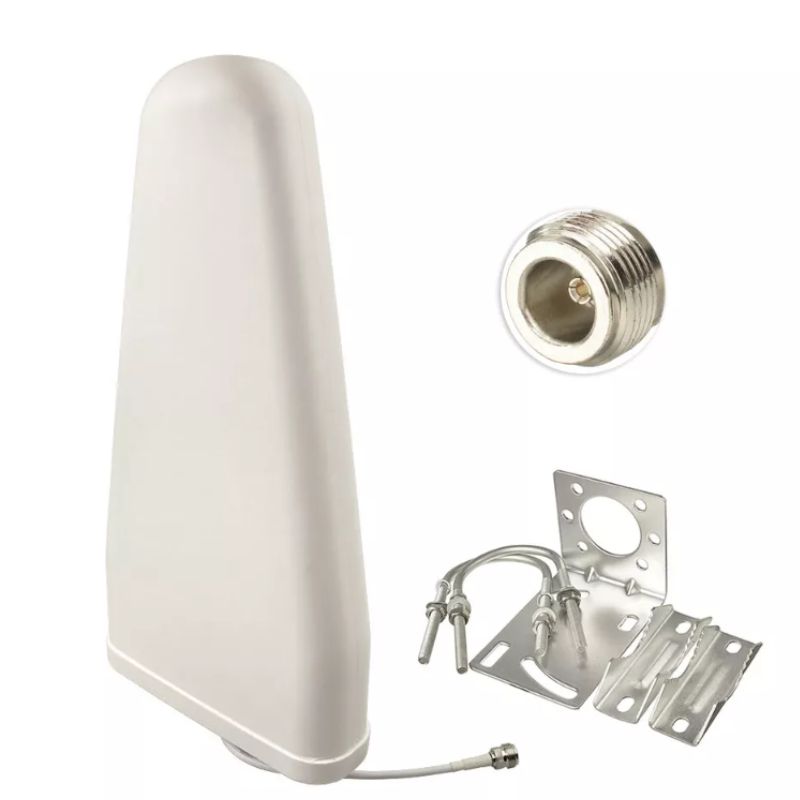
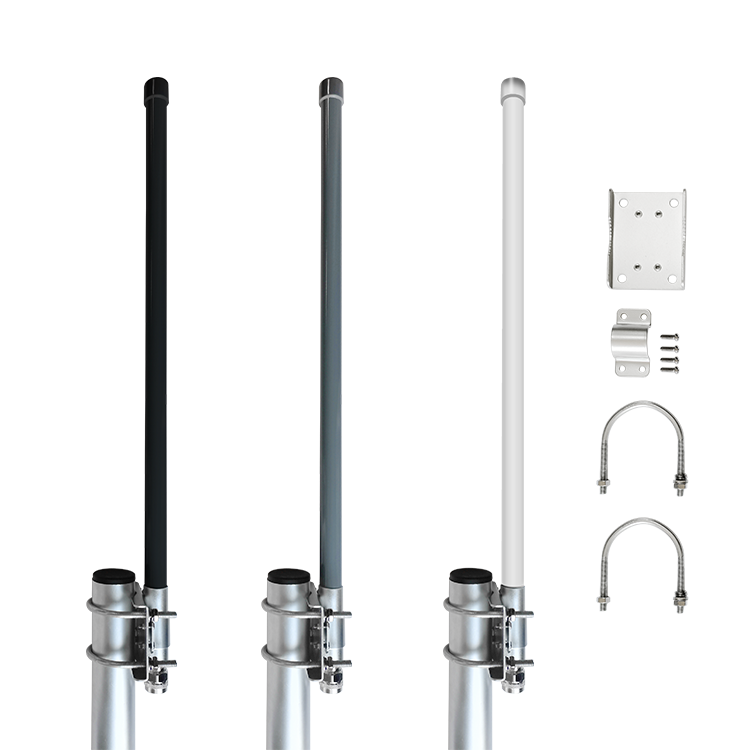
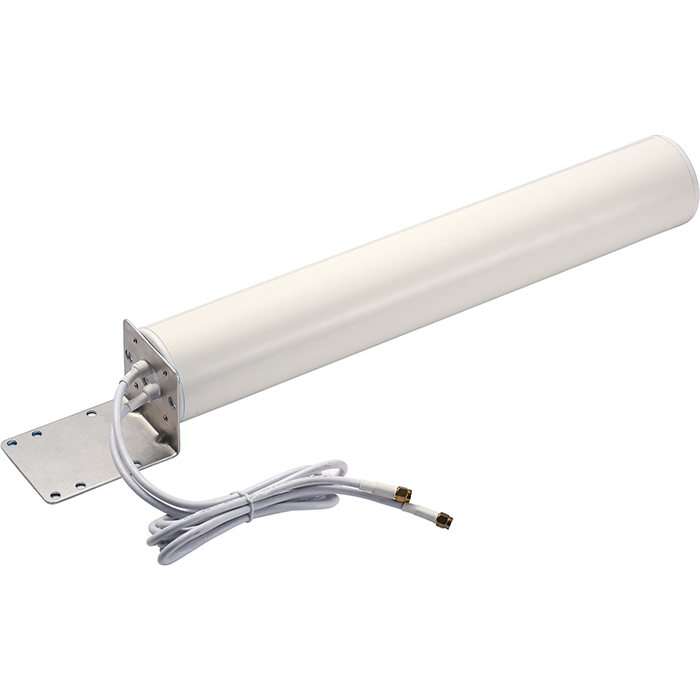
In today’s connected world,smart cities rely heavily on robust communication networks.The smart city antenna plays a crucial role in ensuring seamless connectivity for IoT devices,traffic management systems,public Wi-Fi,and emergency services.However,signal issues can arise due to environmental factors,installation errors,or hardware malfunctions,which may disrupt the efficiency of urban communication systems.Understanding how to troubleshoot signal issues with a smart city antenna is essential for city planners,network engineers,and maintenance teams.
One common cause of signal problems is physical obstruction.Buildings,trees,and other structures can block or weaken the signals transmitted by a smart city antenna.To address this,engineers often conduct a site survey before installation,ensuring the antenna has a clear line of sight to the target coverage area.Additionally,adjusting the height or orientation of the smart city antenna can help optimize signal propagation,allowing for stronger and more consistent coverage.
Interference is another critical factor affecting signal quality.Modern cities are saturated with wireless signals from mobile networks,Wi-Fi hotspots,and other electronic devices.A smart city antenna operating in congested frequency bands may experience reduced performance due to overlapping signals.Troubleshooting in such scenarios involves analyzing the radio frequency spectrum and identifying potential sources of interference.Network engineers may then adjust the antenna’s frequency,power output,or positioning to minimize disruptions and improve reliability.
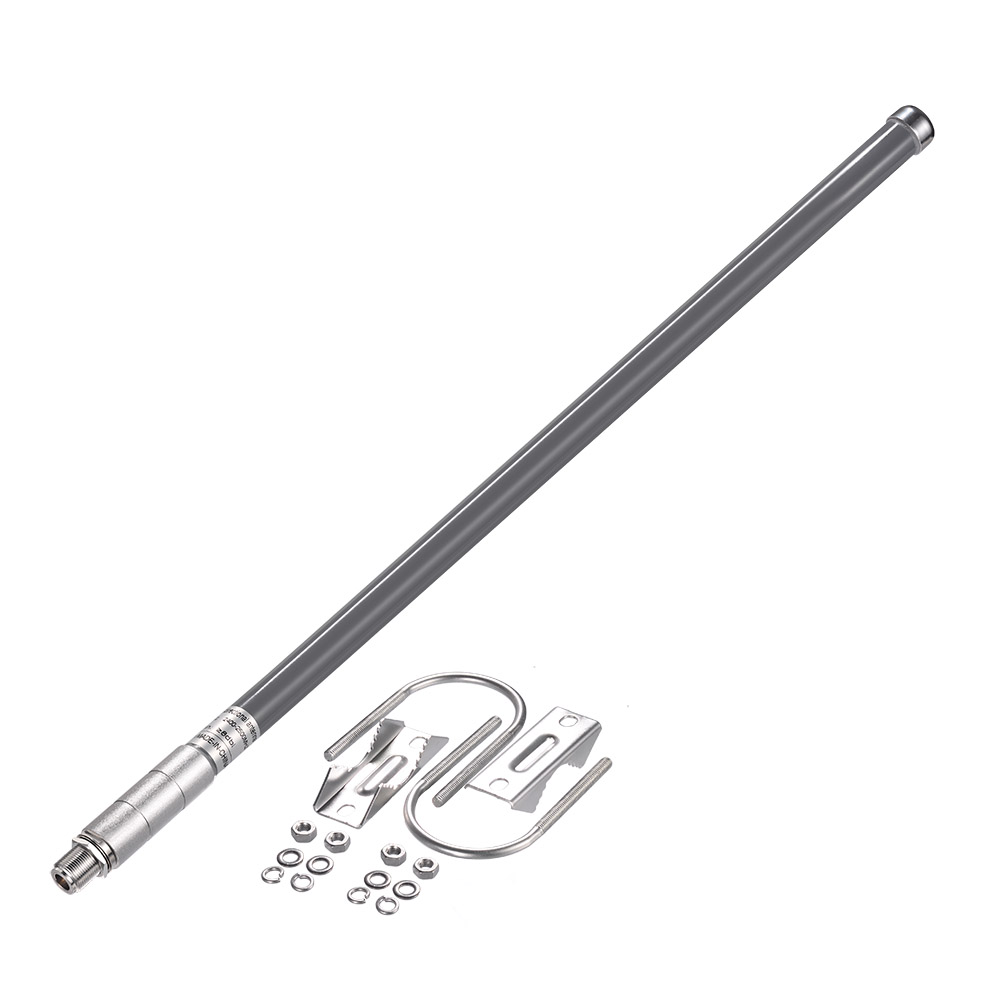
Weather conditions can also impact the performance of a smart city antenna.Heavy rain,snow,or strong winds can temporarily degrade signal strength or cause physical damage to the antenna.Regular maintenance and monitoring are essential to ensure the antenna continues to function under varying weather conditions.Protective housings and weatherproof materials are commonly used in smart city antennas to reduce the impact of environmental factors.
Sometimes,the root cause of signal issues lies within the hardware or software of the smart city antenna itself.Firmware bugs,loose connections,or damaged components can lead to intermittent connectivity problems.In these cases,a thorough inspection of the antenna and associated equipment is necessary.Updating the firmware,replacing damaged parts,and securing all connections can often resolve signal issues without requiring a complete replacement.
Monitoring and diagnostic tools play a vital role in troubleshooting.Many smart city antennas are equipped with remote management systems that provide real-time data on signal strength,bandwidth usage,and connectivity status.Using these tools,network engineers can quickly identify areas with weak coverage or detect anomalies that may indicate equipment malfunction.Data-driven troubleshooting ensures timely intervention and reduces downtime in urban networks.
Preventive maintenance is equally important.Scheduling regular inspections and performance checks of the smart city antenna can help detect potential problems before they affect the network.Cleaning the antenna surfaces,checking for corrosion,and verifying alignment can extend the lifespan of the equipment and maintain optimal performance.In addition,training maintenance personnel to recognize early warning signs of signal degradation contributes to proactive management of the network.
Lastly,collaboration with manufacturers and suppliers can provide additional support.High-quality smart city antennas often come with technical documentation,installation guides,and customer support services.Engaging with the supplier during troubleshooting can help identify uncommon issues and implement solutions effectively.Choosing reliable antennas with a proven track record minimizes the likelihood of recurring signal problems.
In conclusion,troubleshooting signal issues with a smart city antenna involves a combination of environmental assessment,interference management,hardware inspection,monitoring,and preventive maintenance.By understanding these factors and implementing best practices,cities can ensure that their smart networks remain resilient and efficient.For urban planners and network engineers,mastering these troubleshooting techniques is essential to maintain uninterrupted communication,enhance public services,and support the growing demands of modern smart cities.



Address: No.1 Sankeng Qinghutou Tangxia Dongguan Guangdong China TaiWan office: 558-2 ZhongHua,Zhubei,Xinzhu,Taiwan
Copyright © 2026 Dongguan RenFeng Electronic Technology Co.,Ltd All rights reserved.