






News
- Home
- Service
- Product Center
- Application
- About Us
- Videos
- News
- Contact Us

2026-01-17 13:53:53
In the era of digital transformation, urban areas are becoming increasingly connected, leading to the rise of smart cities. At the core of this connectivity lies the smart city antenna, a critical component that enables efficient communication between devices, infrastructure, and networks. Understanding what a smart city antenna is and how it works is essential for city planners, network engineers, and technology enthusiasts who want to harness the full potential of smart urban environments.
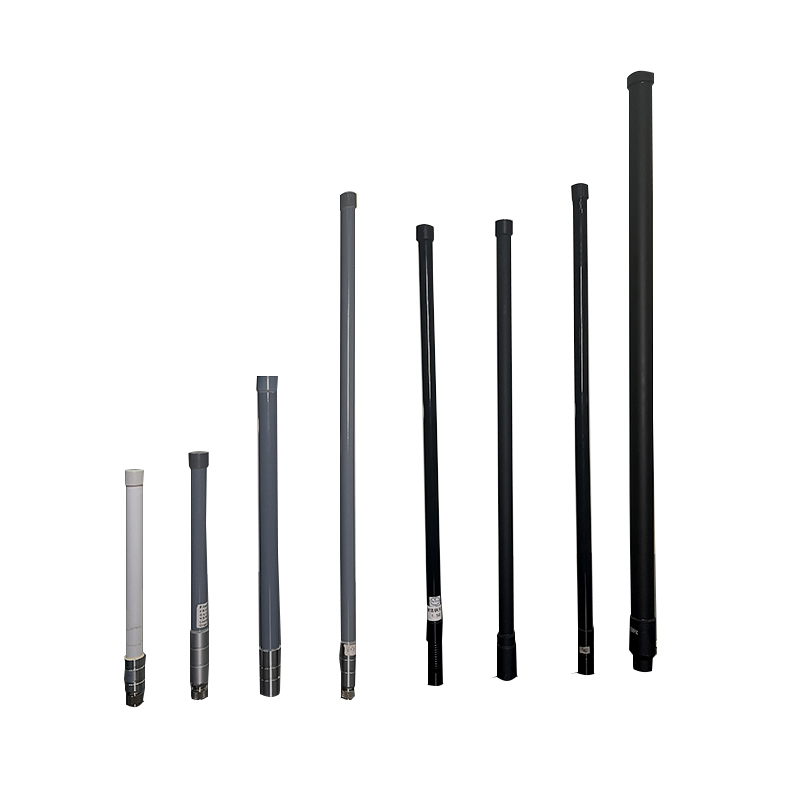
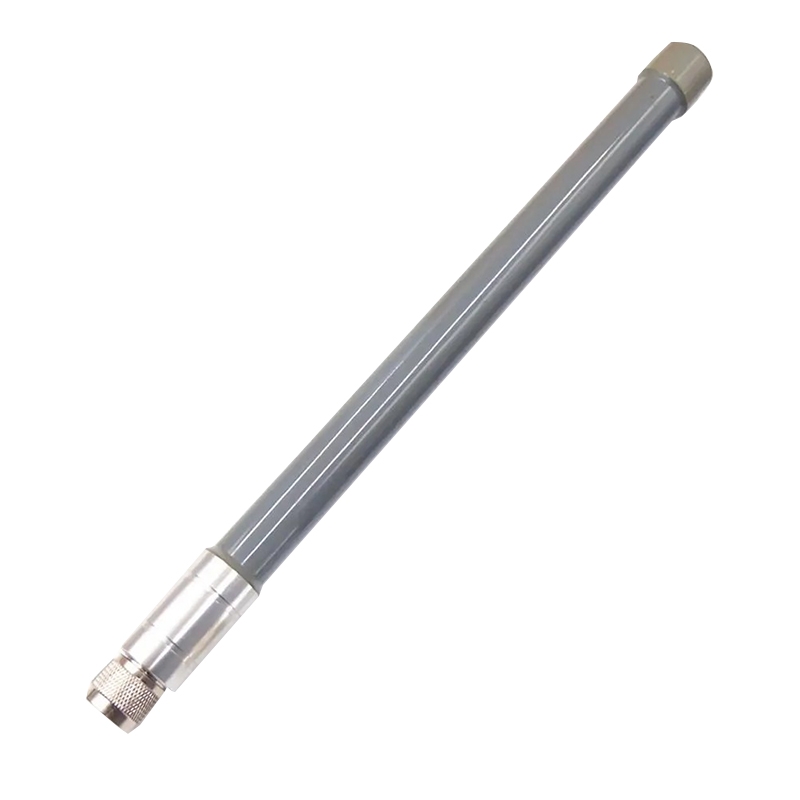
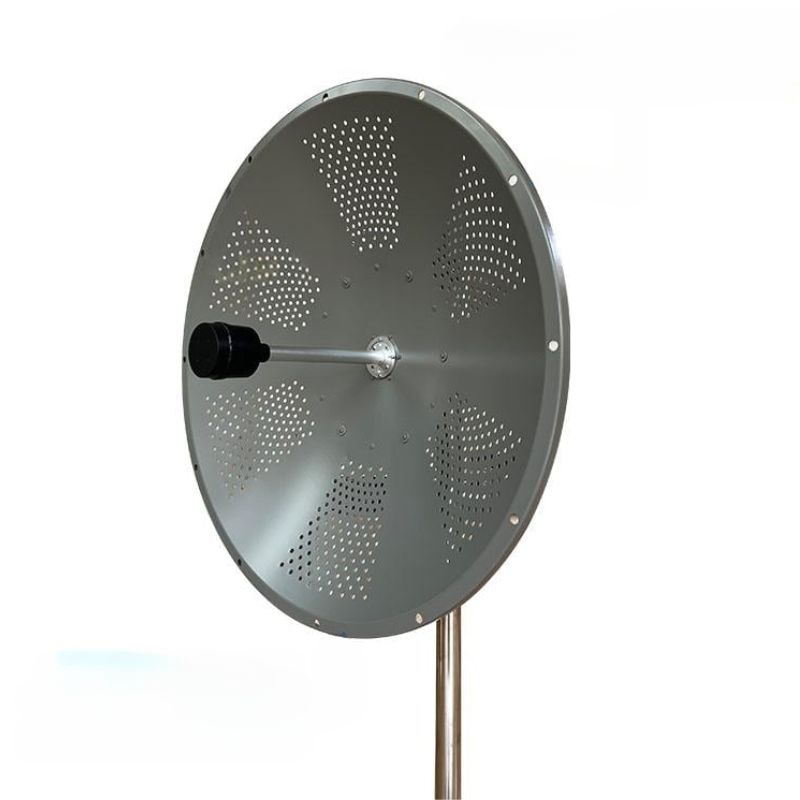
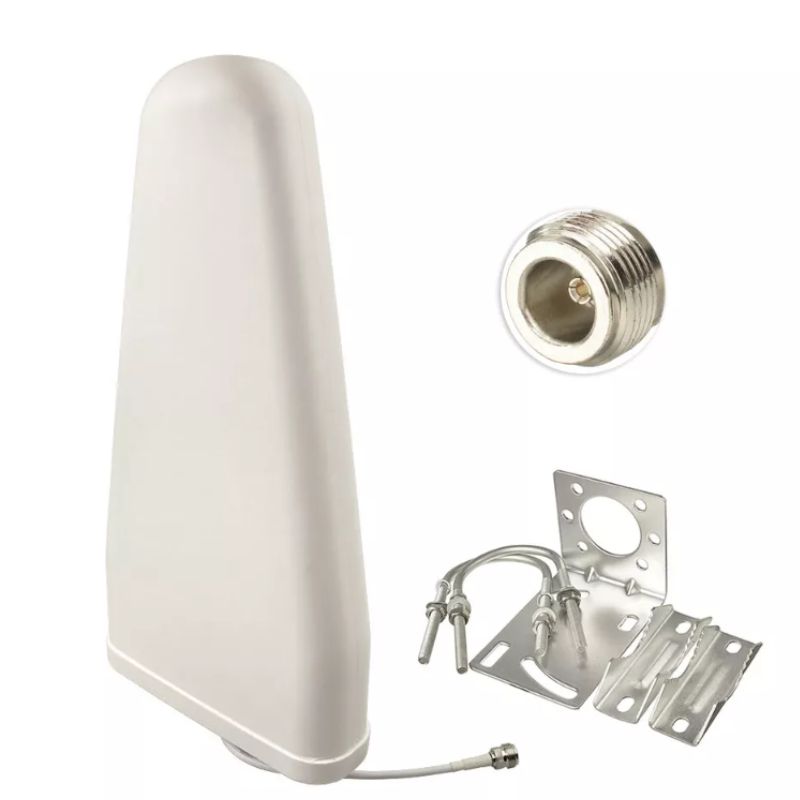
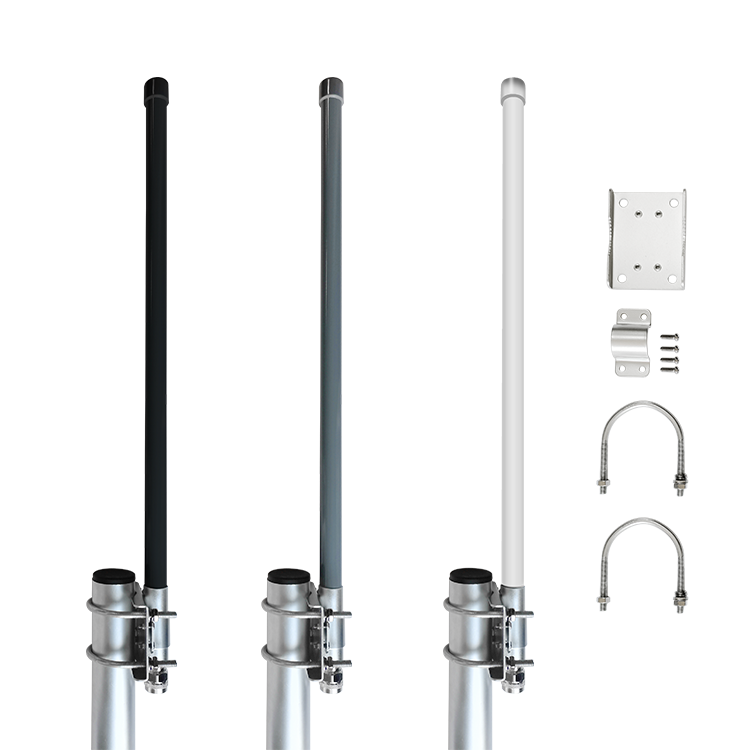
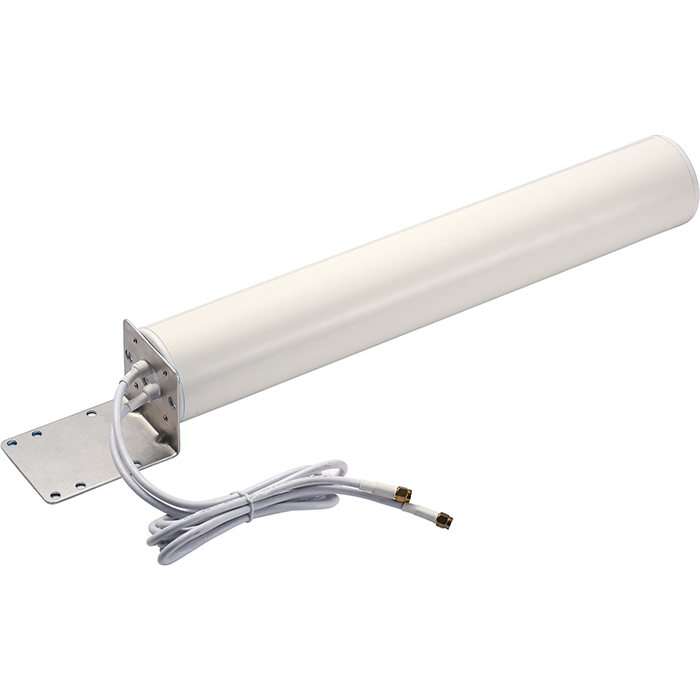
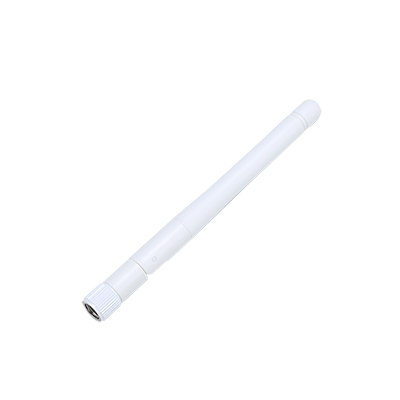
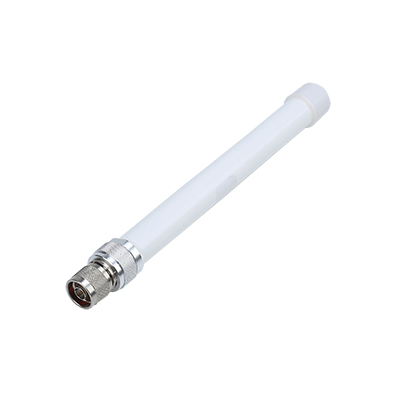
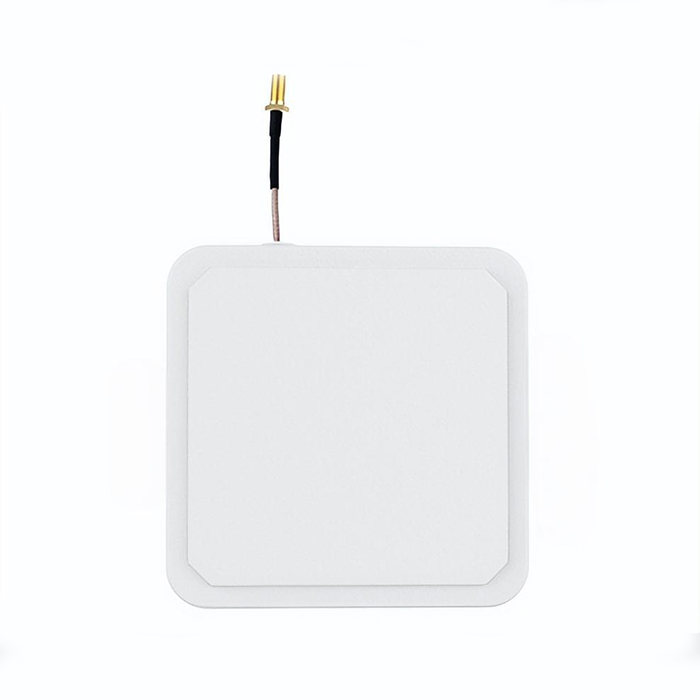
A smart city antenna is a specialized communication device designed to support multiple wireless technologies, including 4G, 5G, Wi-Fi, and IoT networks. Unlike traditional antennas that typically serve a single purpose, smart city antennas are engineered to provide high-speed, reliable connectivity across a range of applications. These antennas are often integrated with advanced signal processing capabilities, allowing them to optimize data transmission, reduce interference, and extend coverage within urban environments.
The working principle of a smart city antenna revolves around efficient signal reception and transmission. The antenna collects signals from various devices, such as sensors, cameras, traffic lights, and mobile phones, and transmits them to centralized network systems. These signals are processed to ensure minimal data loss and maximum reliability, enabling real-time communication between devices. This functionality is crucial in applications such as traffic management, environmental monitoring, public safety, and smart energy systems.
One of the key advantages of a smart city antenna is its ability to support multiple frequency bands simultaneously. This multi-band functionality allows the antenna to handle different types of wireless traffic without compromising performance. For instance, a single smart city antenna can manage mobile network signals for residents while simultaneously supporting IoT sensors used for monitoring air quality or street lighting. This versatility makes smart city antennas an essential component in the infrastructure of modern urban areas.
In addition to connectivity, many smart city antennas are designed with intelligent features that enhance their functionality. These features may include automatic beamforming, which focuses the signal toward specific devices to improve reception, and adaptive power control, which adjusts transmission strength based on network demand. Some antennas also integrate edge computing capabilities, processing data locally to reduce latency and improve the efficiency of smart city applications.
The placement and installation of a smart city antenna are critical to its performance. Optimal positioning ensures maximum coverage while minimizing interference from buildings, trees, and other obstacles. In urban areas, antennas are often installed on rooftops, street poles, or dedicated communication towers. Engineers conduct careful site surveys to determine the best locations, taking into account factors such as population density, traffic patterns, and environmental conditions.
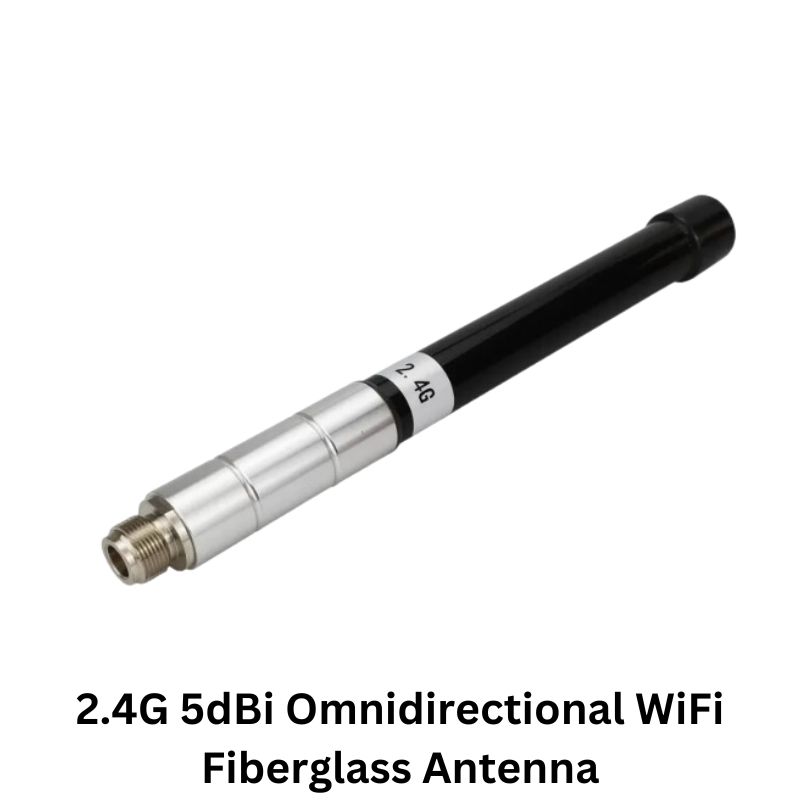
Maintenance and monitoring are also essential aspects of ensuring a smart city antenna functions effectively. Regular inspections, firmware updates, and signal performance assessments help identify potential issues before they affect network performance. Modern smart city antennas often come equipped with remote monitoring capabilities, allowing network operators to track performance metrics, detect anomalies, and implement corrective measures without needing on-site intervention.
The applications of a smart city antenna extend beyond traditional communication networks. In traffic management, these antennas collect real-time data from connected vehicles and traffic signals, enabling adaptive traffic light control and congestion monitoring. In public safety, smart city antennas support surveillance cameras, emergency communication systems, and disaster response networks. Additionally, they facilitate the deployment of public Wi-Fi, smart parking solutions, and environmental sensors, contributing to more sustainable and efficient urban living.
Choosing the right smart city antenna involves considering several factors, including frequency range, coverage area, power output, and compatibility with existing infrastructure. High-quality antennas from reputable manufacturers offer reliable performance, durability, and advanced features that support the evolving needs of smart cities. Investing in robust antenna solutions ensures long-term connectivity and a seamless experience for both residents and city administrators.
In conclusion, a smart city antenna is a versatile, high-performance communication device that forms the backbone of modern urban connectivity. By enabling real-time data transmission across multiple devices and networks, it supports a wide range of smart city applications, from traffic management and public safety to environmental monitoring and IoT integration. Understanding how a smart city antenna works and implementing it effectively is crucial for building connected, efficient, and sustainable urban environments. As cities continue to evolve, the role of smart city antennas will only grow in importance, shaping the way people live, work, and interact within urban spaces.



Address: No.1 Sankeng Qinghutou Tangxia Dongguan Guangdong China TaiWan office: 558-2 ZhongHua,Zhubei,Xinzhu,Taiwan
Copyright © 2026 Dongguan RenFeng Electronic Technology Co.,Ltd All rights reserved.