





News
- Home
- Service
- Product Center
- Application
- About Us
- Videos
- News
- Contact Us

2026-01-23 10:32:20
In modern wireless communication systems,base stations play a critical role in ensuring stable signal coverage,long-distance transmission,and reliable connectivity.As network infrastructure continues to expand into harsher and more complex environments,antenna selection has become increasingly important.One common question from engineers,system integrators,and procurement managers is whether a Fiberglass antenna can be used for base station applications.The short answer is yes—but the suitability depends on several technical and environmental factors.
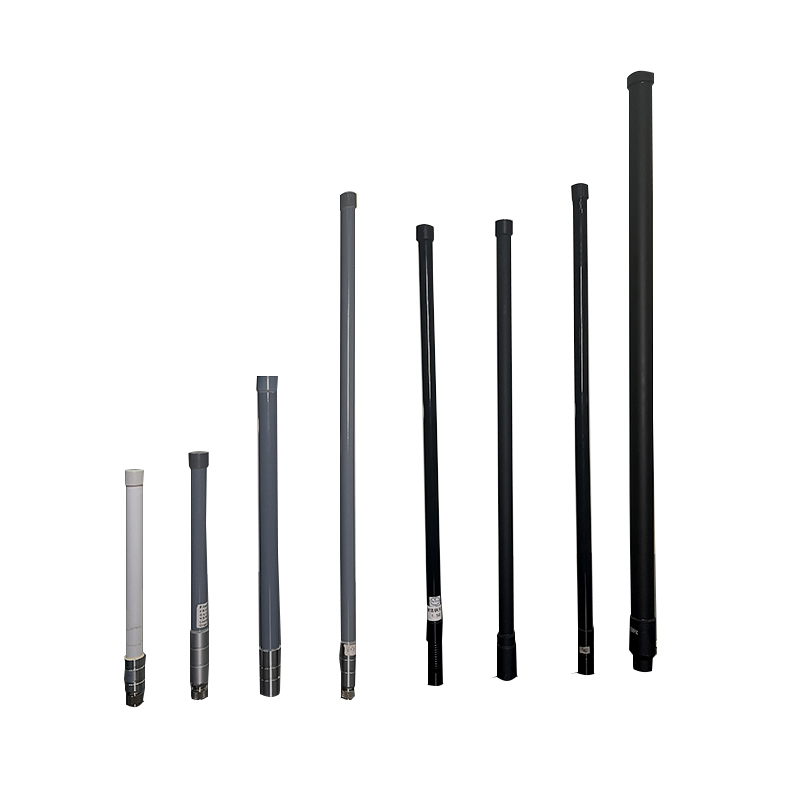
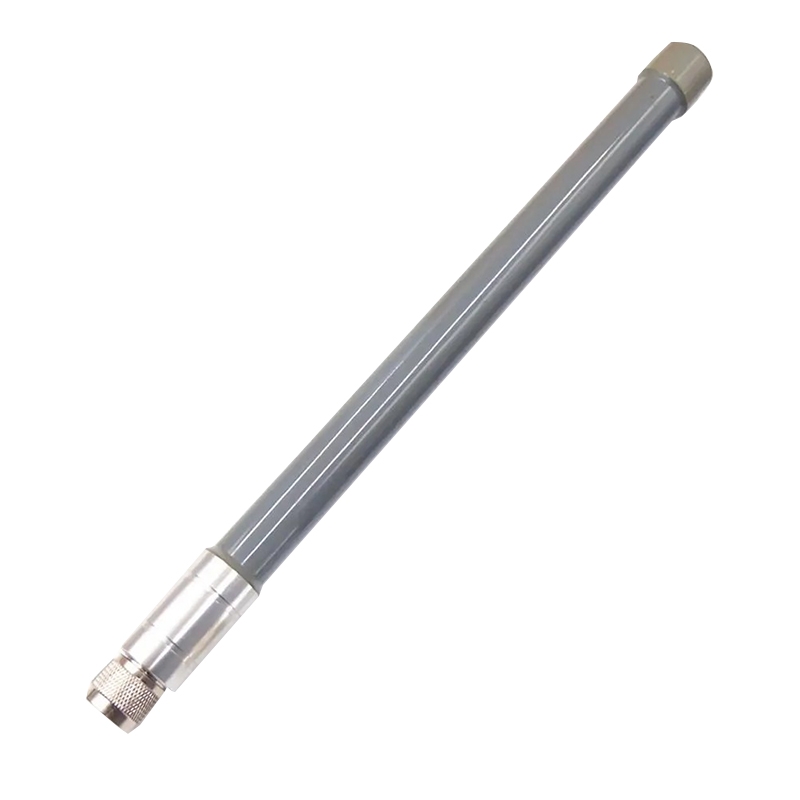
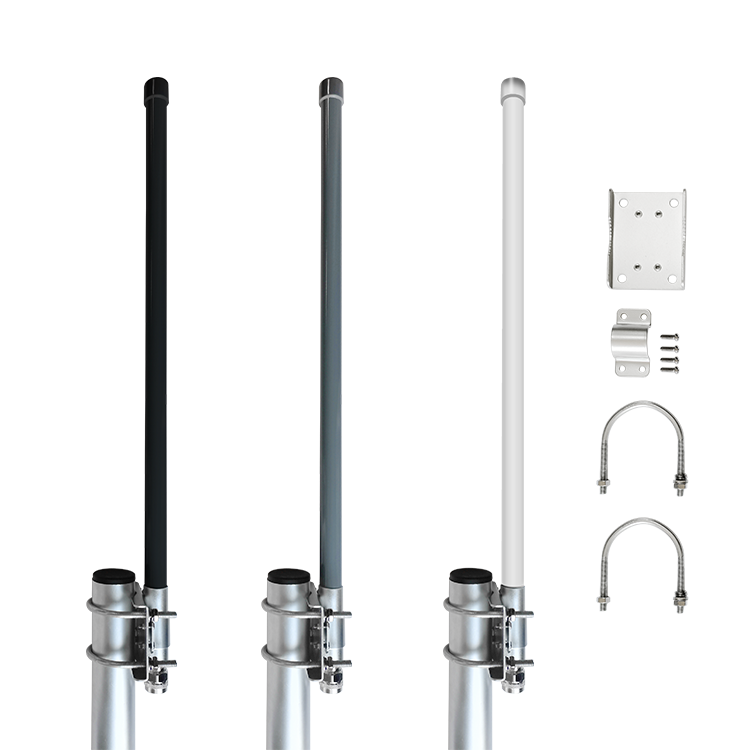
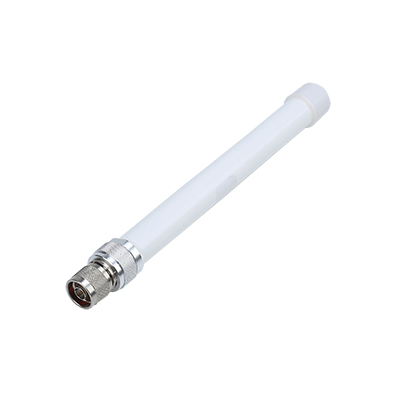
A fiberglass antenna is widely known for its protective radome made from fiberglass-reinforced materials.This outer structure shields the internal radiating elements while maintaining excellent RF transparency.Because of this balance between mechanical strength and signal performance,Fiberglass Antennas have become a preferred choice in many fixed and semi-fixed communication installations,including base stations.
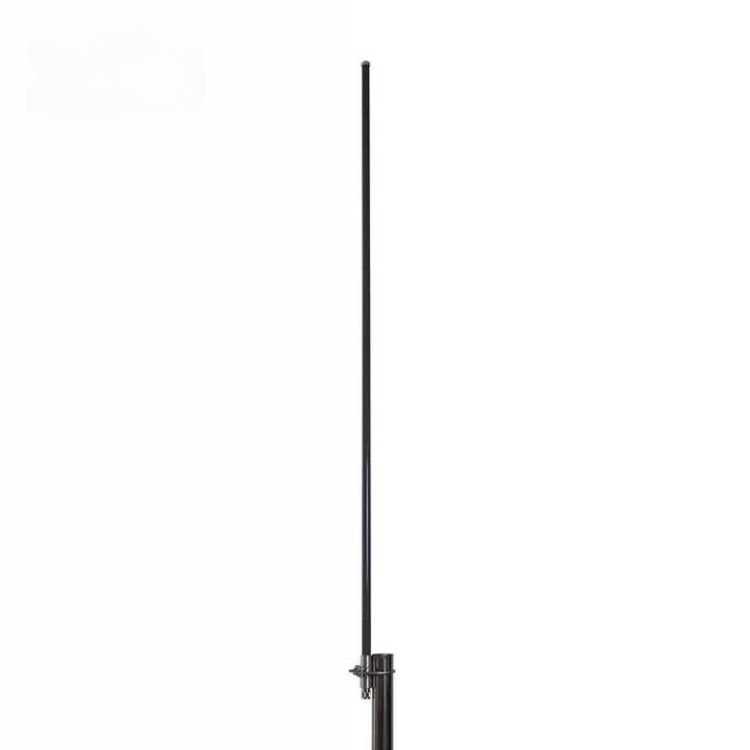
From a structural perspective,base station antennas must withstand continuous outdoor exposure.Wind load,rain,UV radiation,temperature fluctuations,and even salt spray in coastal areas can significantly impact long-term performance.Compared to bare metal antennas,a Fiberglass antenna offers superior environmental protection.The fiberglass radome prevents corrosion and oxidation,which are common failure points in metallic antenna designs.This makes fiberglass antennas especially suitable for base stations installed on towers,rooftops,poles,or remote outdoor sites.
In terms of RF performance,fiberglass does not interfere with electromagnetic signals.The material is RF-transparent,meaning it allows radio waves to pass through with minimal attenuation.This property is essential for base station use,where signal efficiency and coverage consistency are critical.A properly designed Fiberglass antenna can deliver stable gain,controlled radiation patterns,and low VSWR,meeting the performance requirements of many base station systems.
Another important consideration is antenna gain.Base stations typically require higher gain than mobile or handheld devices to cover larger service areas.Fiberglass antennas are commonly available in medium to high-gain configurations,often ranging from 3 dBi to 12 dBi or more,depending on the design.Collinear Fiberglass antenna structures are particularly popular in base station applications because they provide omnidirectional coverage with enhanced vertical gain,making them ideal for wide-area deployment.
Base stations are used across a wide range of communication technologies,including cellular networks,private LTE,wireless broadband,telemetry systems,and industrial radio networks.Fiberglass antennas are frequently deployed in VHF,UHF,and microwave base station setups.Their versatility allows them to support multiple communication standards while maintaining consistent performance over long periods of operation.
Mechanical stability is another key reason why a Fiberglass antenna works well for base stations.The rigid radome design helps maintain antenna alignment,even under strong winds or mechanical stress.For tower-mounted base stations,this stability directly impacts signal quality and network reliability.Additionally,fiberglass antennas are typically lighter than solid metal alternatives,reducing stress on mounting hardware and simplifying installation.
Customization is also a major advantage.Many manufacturers offer OEM and custom Fiberglass antenna solutions tailored specifically for base station requirements.Parameters such as frequency band,gain,polarization,connector type,mounting method,and radome length can all be customized to match the exact needs of a given base station project.This flexibility makes fiberglass antennas a practical option for system integrators and network operators working with diverse deployment scenarios.
It is important to note that not all fiberglass antennas are suitable for high-power base stations.Power handling capability depends on the internal antenna design rather than the radome material alone.When selecting a Fiberglass antenna for a base station,engineers should verify specifications such as maximum input power,impedance matching,and thermal performance to ensure long-term stability and safety.
In conclusion,Fiberglass antennas are not only suitable for base station use but are often an excellent choice for outdoor and fixed installations.Their durability,RF transparency,stable performance,and customization options make them widely used in modern base station deployments across multiple industries.When properly designed and matched to system requirements,a Fiberglass antenna can deliver reliable,long-term performance in demanding base station environments.



Address: No.1 Sankeng Qinghutou Tangxia Dongguan Guangdong China TaiWan office: 558-2 ZhongHua,Zhubei,Xinzhu,Taiwan
Copyright © 2026 Dongguan RenFeng Electronic Technology Co.,Ltd All rights reserved.