





News
- Home
- Service
- Product Center
- Application
- About Us
- Videos
- News
- Contact Us

2026-01-23 10:36:16
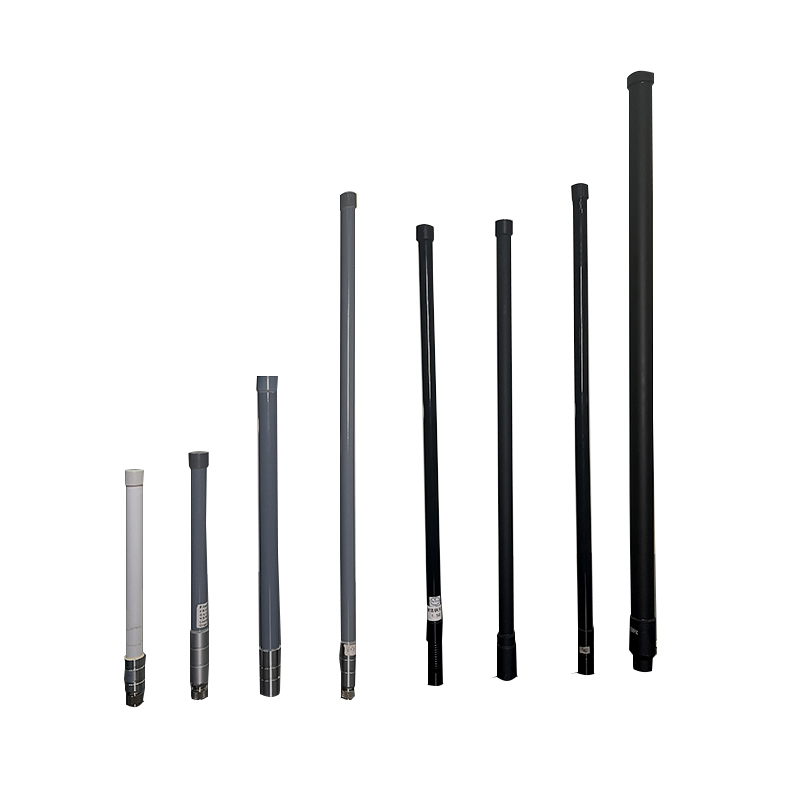
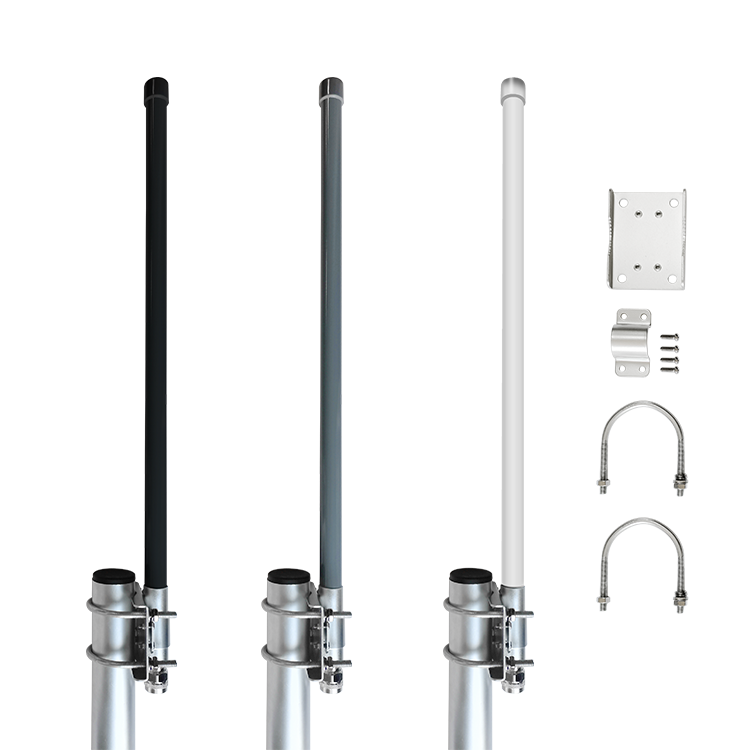
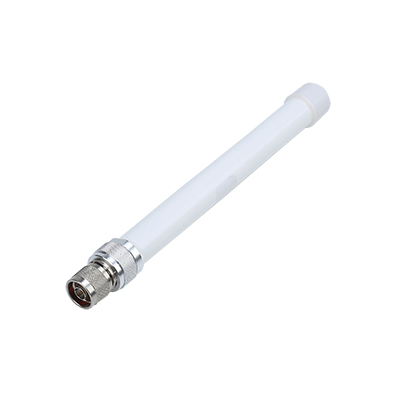
One of the most important questions buyers and engineers ask when selecting an antenna is about frequency compatibility.Understanding the available frequency ranges is essential for ensuring system performance,regulatory compliance,and long-term reliability.A Fiberglass antenna is not limited to a single frequency band;instead,it can be designed to operate across a wide range of frequencies,making it a versatile solution for many wireless applications.
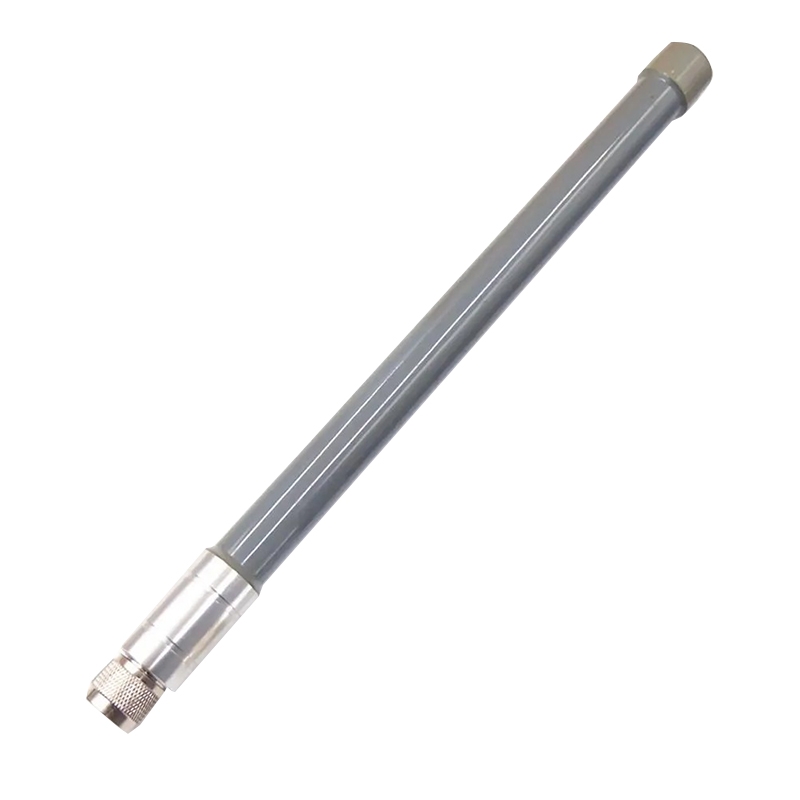
fiberglass antennas are essentially defined by their internal radiating elements rather than the fiberglass material itself.The fiberglass radome serves as a protective enclosure that allows radio waves to pass through with minimal signal loss.Because of this,a Fiberglass Antenna can be engineered to support low-frequency,mid-frequency,and high-frequency applications depending on the design requirements.
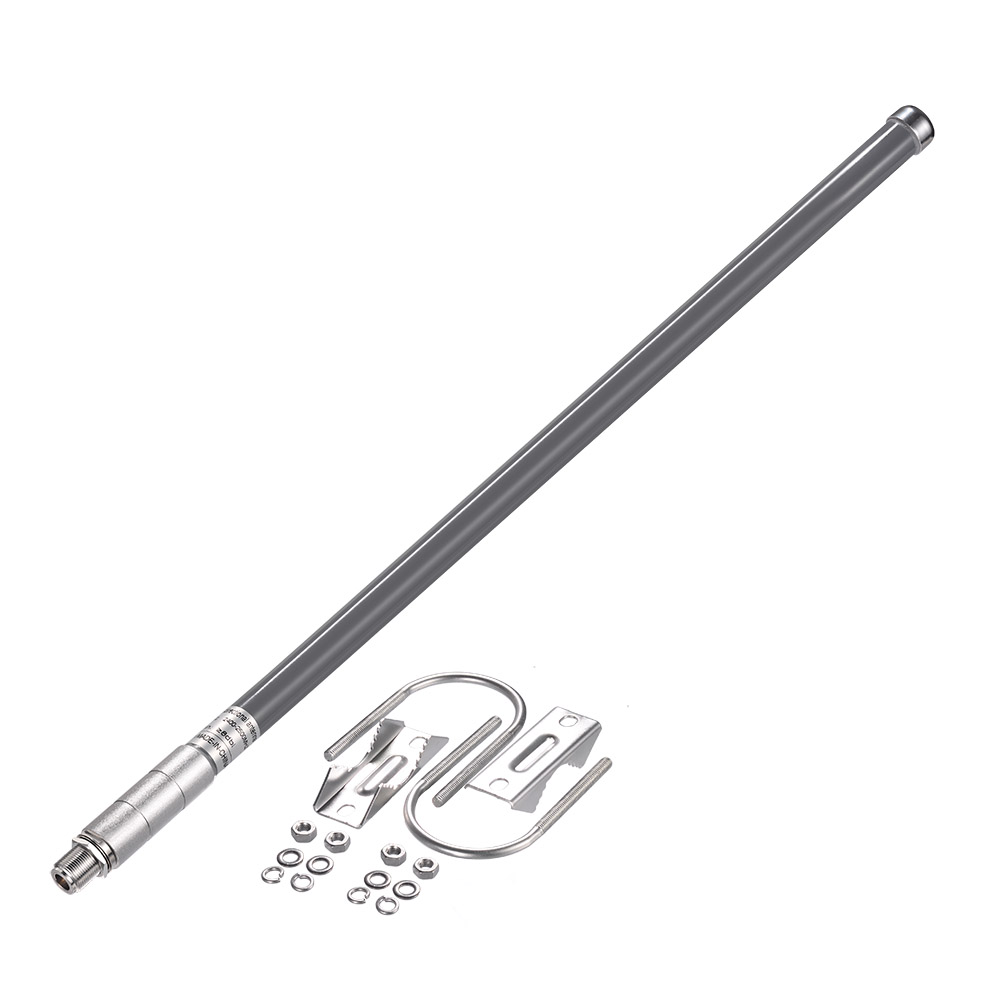
In low-frequency applications,Fiberglass antennas are commonly used in the VHF band,typically ranging from 30 MHz to 300 MHz.These antennas are widely deployed in public safety communication,marine radio,land mobile radio,and certain industrial communication systems.The longer wavelength at these frequencies often results in physically longer antenna designs,and fiberglass radomes are particularly useful for providing structural support and environmental protection in such cases.
Moving into the UHF band,which generally covers 300 MHz to 1 GHz,Fiberglass antennas become even more common.This frequency range is popular for commercial radio systems,private networks,telemetry,and base station communication.UHF Fiberglass antenna designs strike a balance between antenna size and performance,offering reliable signal propagation with manageable physical dimensions.Many omnidirectional base station antennas fall into this category.
For higher-frequency applications,Fiberglass antennas can also support frequencies above 1 GHz,including bands commonly used for cellular communication,wireless data transmission,and IoT infrastructure.Frequencies such as 900 MHz,1.8 GHz,2.4 GHz,and even higher bands can be accommodated with proper internal antenna design.At these frequencies,the fiberglass radome continues to provide weather resistance and mechanical stability without degrading RF performance.
Wideband and multi-band designs are another important category.A modern Fiberglass antenna can be engineered to operate across multiple frequency ranges,allowing a single antenna to support different systems or technologies simultaneously.This is especially valuable for base stations,network upgrades,and shared infrastructure projects where flexibility is required.Wideband Fiberglass antennas reduce the need for multiple antennas,simplifying installation and maintenance.
The available frequency range of a Fiberglass antenna is also influenced by application-specific requirements such as bandwidth,gain,and radiation pattern.Narrowband designs are often used in mission-critical communication systems where frequency stability and efficiency are essential.Wideband designs,on the other hand,are preferred in applications that require compatibility with multiple channels or evolving standards.
Environmental factors can also impact frequency selection.For outdoor installations,especially in harsh climates,the fiberglass radome ensures consistent performance across the antenna’s operating frequency range by protecting internal components from moisture,dust,and temperature extremes.This reliability is one reason fiberglass antennas are frequently chosen for long-term deployments in industrial,marine,and remote communication systems.
From a manufacturing perspective,frequency customization is a major advantage of fiberglass antenna solutions.Reputable manufacturers can design and tune antennas to specific regional frequency bands,ensuring compliance with local regulations and optimal system performance.This is particularly important for international buyers sourcing Fiberglass antenna products for different markets and applications.
In summary,Fiberglass antennas are available across a broad spectrum of frequency ranges,from VHF and UHF to microwave bands.Their flexibility,durability,and RF transparency make them suitable for a wide variety of communication systems.By selecting the correct frequency range and antenna design,users can ensure that a Fiberglass antenna delivers stable and efficient performance tailored to their specific application needs.



Address: No.1 Sankeng Qinghutou Tangxia Dongguan Guangdong China TaiWan office: 558-2 ZhongHua,Zhubei,Xinzhu,Taiwan
Copyright © 2026 Dongguan RenFeng Electronic Technology Co.,Ltd All rights reserved.