





News
- Home
- Service
- Product Center
- Application
- About Us
- Videos
- News
- Contact Us

2026-03-05 11:47:16
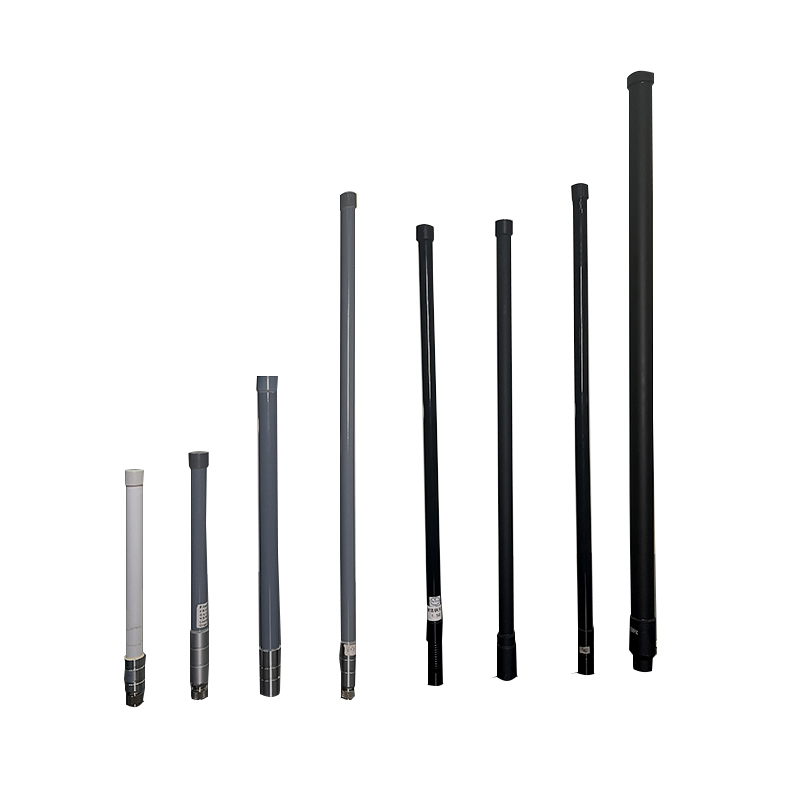
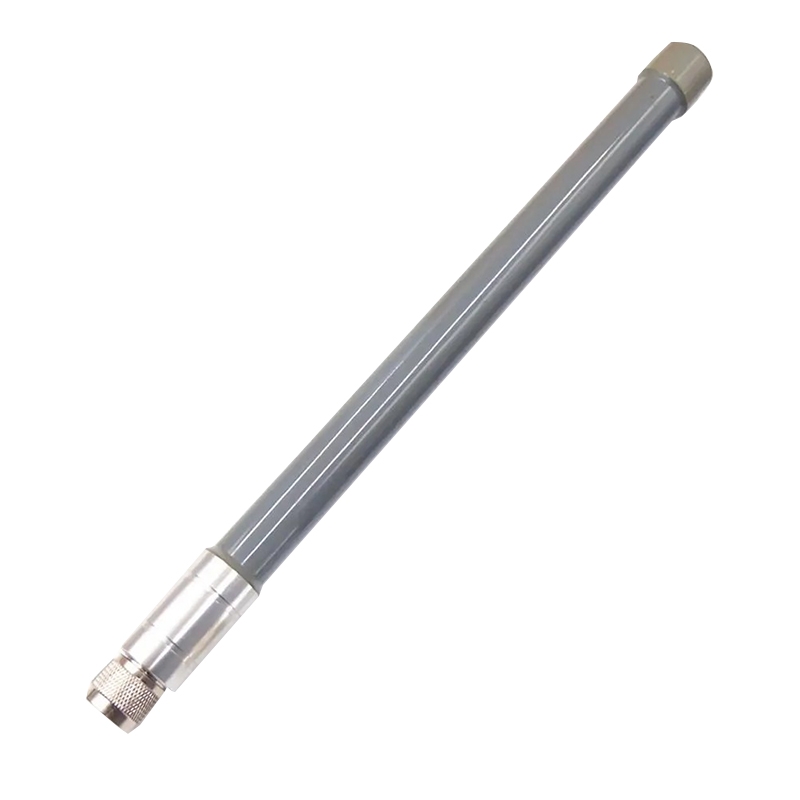
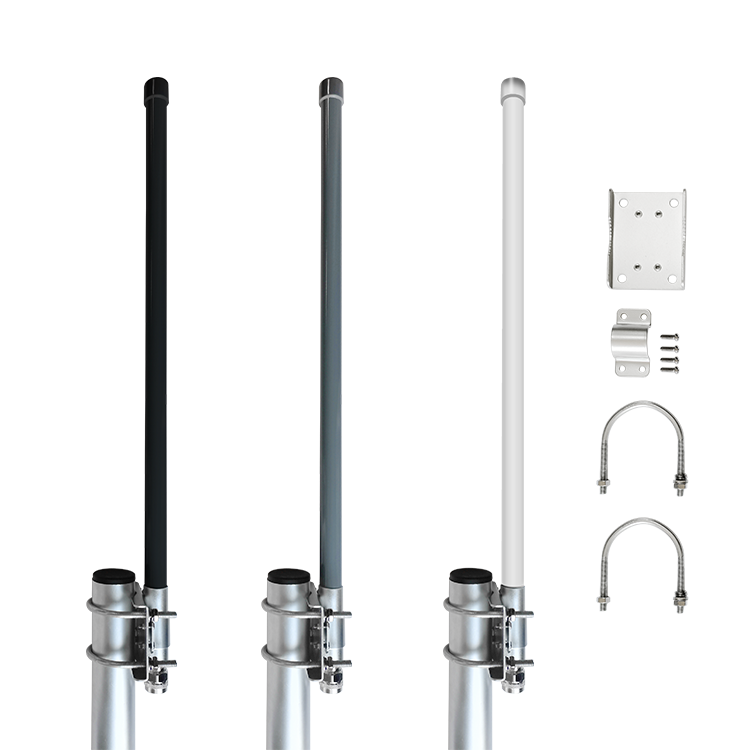
A Fiberglass Antenna is widely used in commercial vehicle applications because of its durability, corrosion resistance, and stable signal performance. Unlike traditional metal whip antennas, fiberglass housing protects the internal radiating element from harsh environments such as:
Heavy rain and snow
Strong UV exposure
High vibration from long-haul transportation
Dust and road debris
For fleet operators, this means longer service life and reduced maintenance costs.
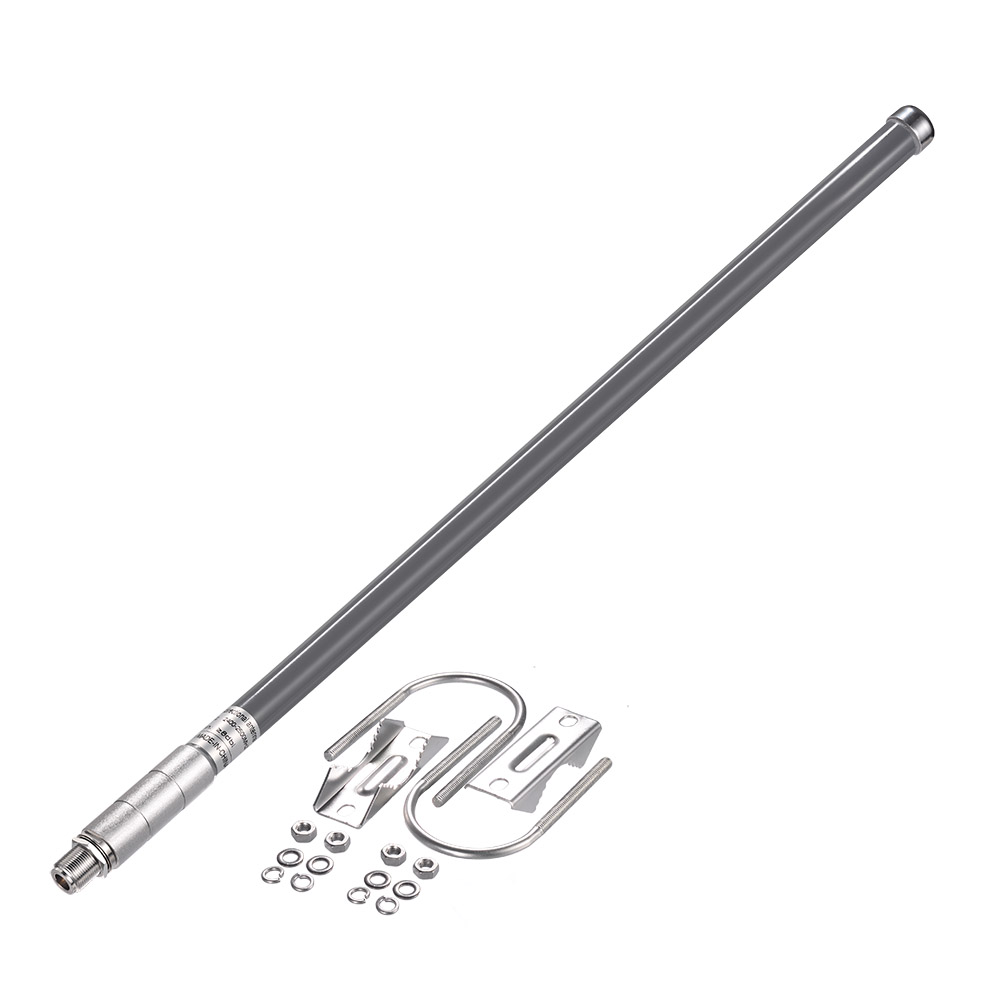
When selecting the best Fiberglass antenna for GPS tracking systems, focus on the following specifications:
1. Frequency Compatibility
Most GPS tracking systems operate on L1 frequency (1575.42 MHz) and often integrate LTE/4G modules. Ensure the antenna supports both GNSS and cellular communication if required.
2. Gain (dBi)
For moving commercial vehicles, a moderate gain (3–5 dBi) is typically ideal. High gain is not always better, as vehicles constantly change orientation.
3. Omnidirectional Radiation
An Omnidirectional Fiberglass Antenna ensures consistent signal reception regardless of vehicle direction.
4. IP Rating
Choose IP67 or IP68 waterproof rating for outdoor mounting on truck roofs or side brackets.
5. Mounting Options
Common mounting types include:
NMO mount
Magnetic mount
Bracket mount
Fleet vehicles often prefer fixed bracket installations for long-term stability.
Poor GPS signal leads to delayed updates, route inefficiencies, and inaccurate tracking reports. A high-quality Fiberglass antenna improves:
Real-time vehicle positioning
Data transmission reliability
Communication between dispatch centers and drivers
For logistics companies, this translates to improved delivery accuracy and reduced fuel costs.
Many commercial fleet operators require customized solutions, including:
Specific cable lengths (RG58, RG174)
Integrated GPS + LTE combo antennas
Reinforced heavy-duty fiberglass radomes
If you are sourcing for transportation projects or fleet upgrades, working with an experienced Fiberglass antenna manufacturer ensures performance consistency and certification compliance (CE, RoHS).
Investing in the right Fiberglass antenna is not just a hardware decision — it’s a strategic move toward smarter fleet management and long-term cost efficiency.
When equipping patrol vehicles, police cars, or emergency response units, communication clarity can be life-saving. One of the most common questions is: Should you choose a UHF or VHF Fiberglass antenna for patrol vehicles?
The answer depends on operating environment, coverage requirements, and communication systems used.
VHF (Very High Frequency) typically operates between 136–174 MHz. A VHF Fiberglass antenna is ideal for:
Rural areas
Open highways
Long-distance communication
Areas with fewer obstructions
VHF signals travel farther in open terrain and are less affected by long-distance propagation loss. For highway patrol units or countryside law enforcement, VHF is often the preferred solution.
UHF (Ultra High Frequency) usually operates between 400–470 MHz. A UHF Fiberglass antenna is better suited for:
Urban environments
Dense buildings
Underground parking structures
City patrol operations
UHF signals penetrate buildings more effectively and provide clearer communication in metropolitan areas.
| Feature | VHF Fiberglass Antenna | UHF Fiberglass Antenna |
|---|---|---|
| Coverage Distance | Longer in open areas | Shorter but stable in cities |
| Urban Penetration | Moderate | Excellent |
| Antenna Length | Longer | Shorter |
| Ideal Application | Highway patrol | City police units |
Regardless of frequency, a Fiberglass antenna offers significant advantages for patrol fleets:
High mechanical strength against vibration
Weather resistance in extreme climates
UV-resistant radome for long-term outdoor exposure
Stable performance during high-speed driving
Emergency vehicles require equipment that performs under pressure. A rugged Fiberglass antenna ensures reliable communication even during rapid response operations.
Choose VHF Fiberglass antenna for rural patrol and long-range highway communication.
Choose UHF Fiberglass antenna for city patrol units and dense urban environments.
In some cases, dual-band Fiberglass antenna solutions are available, supporting both VHF and UHF frequencies, offering flexibility for mixed-terrain operations.
Before purchasing, confirm:
Frequency band compatibility
Required gain (usually 3–6 dBi for patrol vehicles)
Mounting type (roof mount, trunk bracket, NMO)
Certification standards
Partnering with a professional Fiberglass antenna supplier ensures customized solutions for law enforcement fleets and public safety communication systems.
Choosing the correct UHF or VHF Fiberglass antenna is not just about frequency — it’s about mission reliability, officer safety, and uninterrupted communication when it matters most.



Address: No.1 Sankeng Qinghutou Tangxia Dongguan Guangdong China TaiWan office: 558-2 ZhongHua,Zhubei,Xinzhu,Taiwan
Copyright © 2026 Dongguan RenFeng Electronic Technology Co.,Ltd All rights reserved.