





News
- Home
- Service
- Product Center
- Application
- About Us
- Videos
- News
- Contact Us

2026-03-13 15:33:37
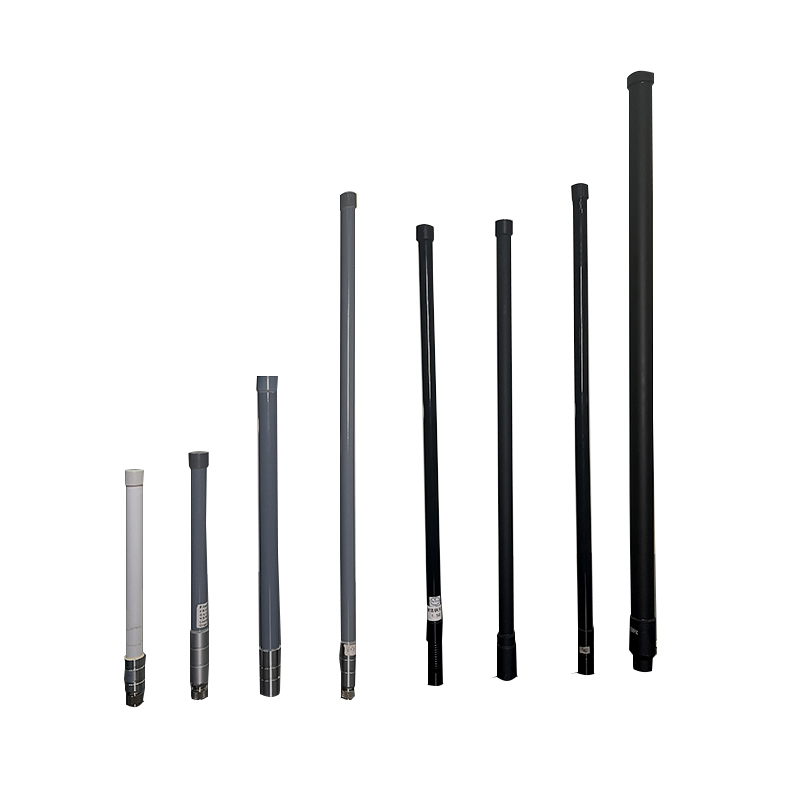
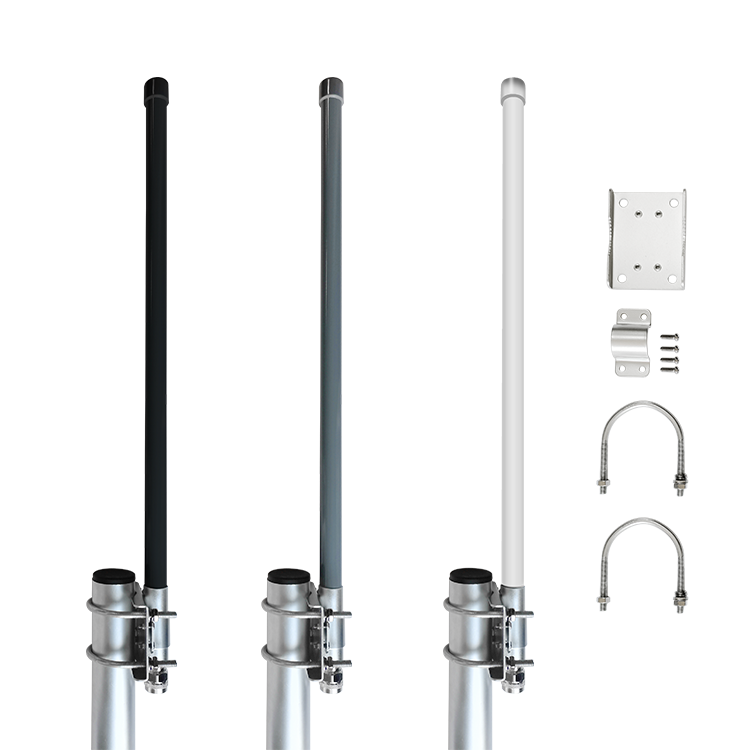
Fiberglass antennas have become an essential component in modern mobile communication networks.As telecom operators strive for better signal quality,higher coverage,and more reliable connectivity,choosing the right antenna type is crucial.Among the various options,Fiberglass whip antenna,Fiberglass rod antenna,Fiberglass mast antenna,and Fiberglass base station antenna are widely used due to their durability,lightweight design,and superior performance in harsh environments.
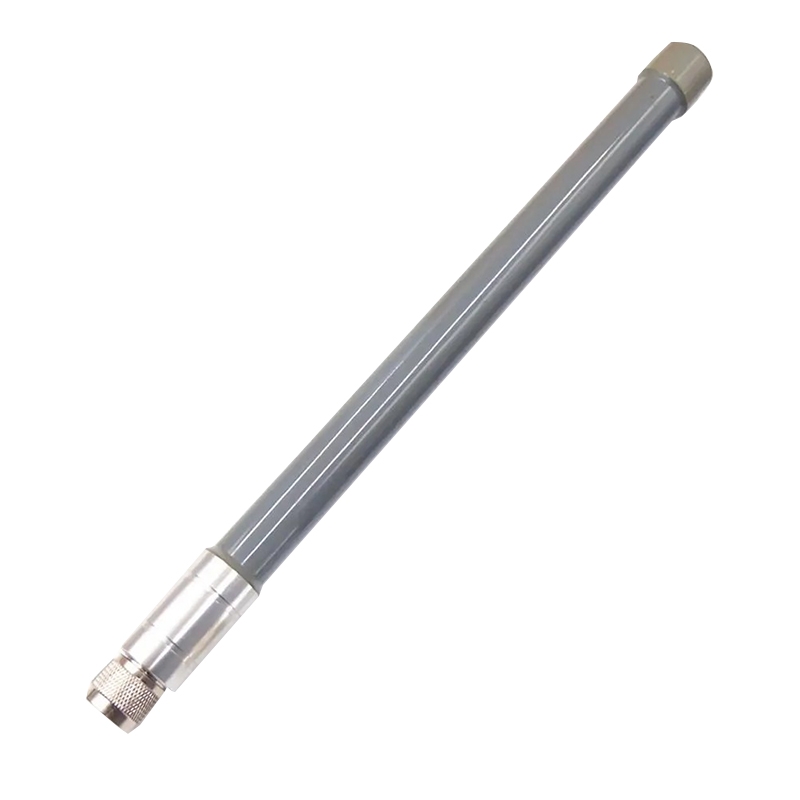
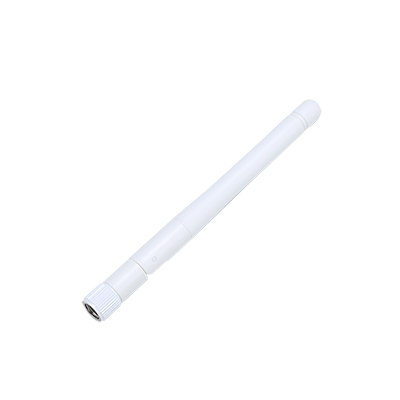
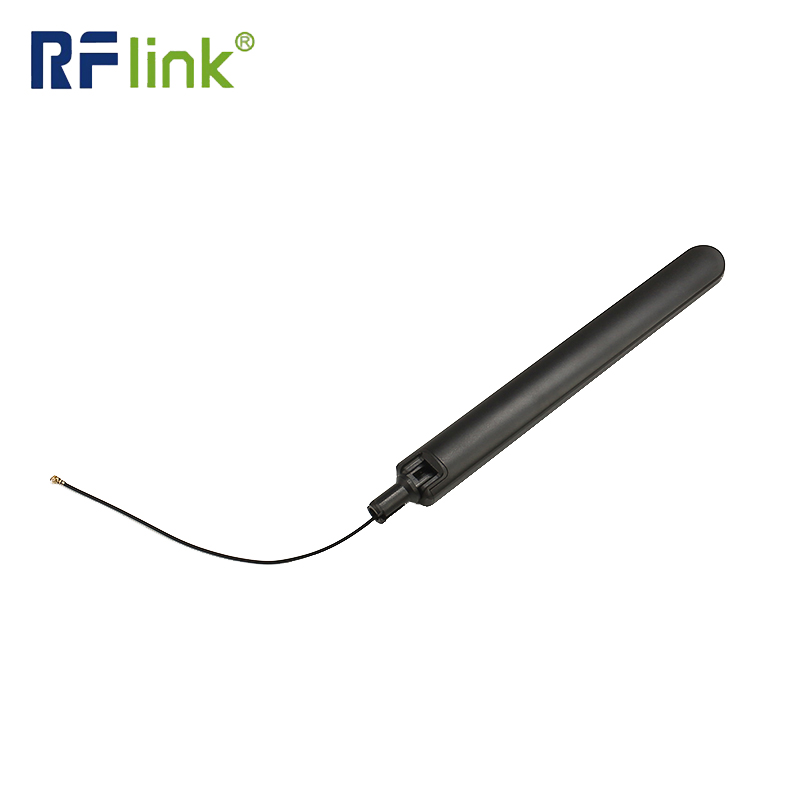
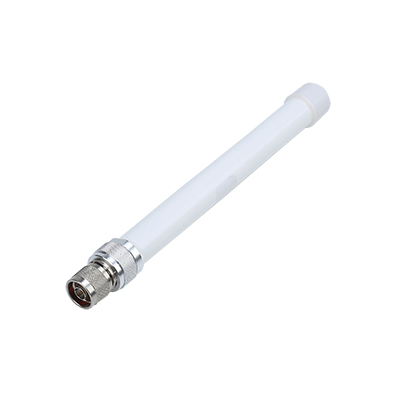
A Fiberglass whip antenna is a flexible,vertical antenna commonly installed on mobile communication towers.Its lightweight and corrosion-resistant design make it ideal for outdoor installations,particularly in areas with heavy rain,wind,or extreme temperatures.This type of antenna ensures stable signal transmission and reception,making it a preferred choice for many mobile operators.
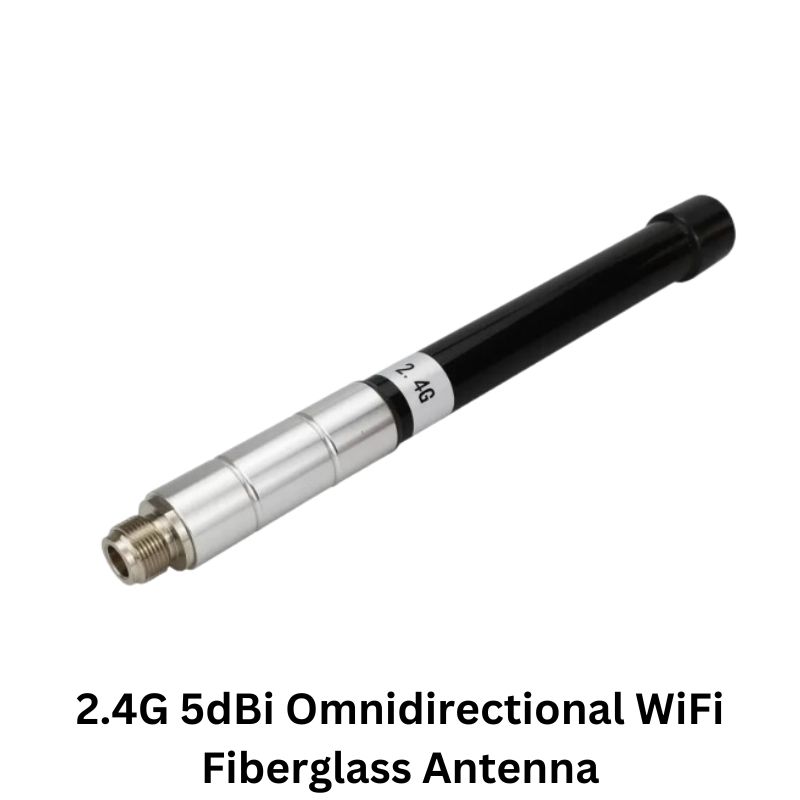
Similarly,the Fiberglass rod antenna is a slender,compact antenna that offers high-frequency performance for mobile communication applications.Its robust construction allows it to withstand environmental stress while maintaining optimal signal integrity.The rod-shaped design also facilitates easy installation on rooftops,small towers,or mobile platforms.
For larger-scale installations,the Fiberglass mast antenna serves as an excellent solution.These antennas are typically mounted on tall masts,providing extensive coverage for urban and rural areas.The mast design ensures that the mobile network achieves a uniform signal distribution,reducing dead zones and improving overall network performance.
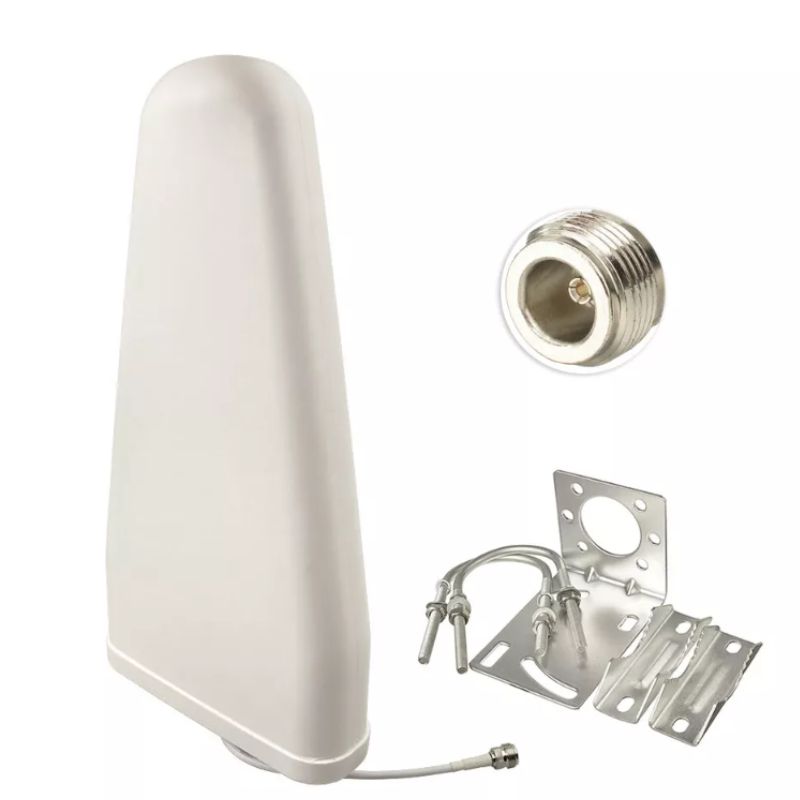
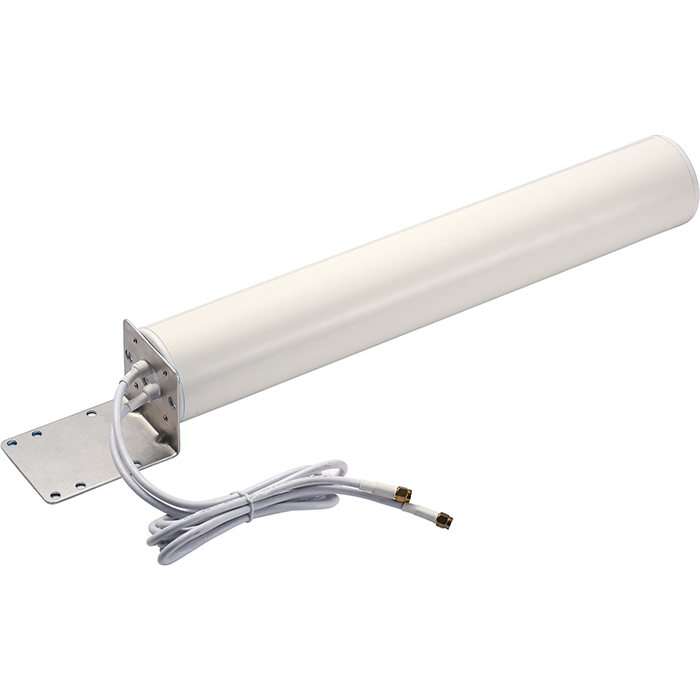
The Fiberglass base station antenna is specifically engineered for mobile network base stations.With features such as high durability,weather resistance,and lightweight construction,it plays a vital role in supporting 4G and 5G networks.Mobile operators rely on these antennas to deliver consistent connectivity,high-speed data transfer,and reduced signal interference.
Using fiberglass antennas in mobile communication networks offers multiple advantages.Firstly,their non-conductive material reduces the risk of electrical interference.Secondly,they are easier to install and maintain compared to traditional metal antennas.Finally,the variety of available types—including whip,rod,mast,and base station antennas—allows operators to select the most suitable solution based on site requirements and coverage needs.
In conclusion,Fiberglass Antennas have transformed mobile communication infrastructure.By incorporating Fiberglass whip antennas,Fiberglass rod antennas,Fiberglass mast antennas,and Fiberglass base station antennas,mobile network operators can ensure superior signal quality,extended coverage,and long-term reliability,making them an indispensable part of modern telecom systems.



Address: No.1 Sankeng Qinghutou Tangxia Dongguan Guangdong China TaiWan office: 558-2 ZhongHua,Zhubei,Xinzhu,Taiwan
Copyright © 2026 Dongguan RenFeng Electronic Technology Co.,Ltd All rights reserved.