






News
- Home
- Service
- Product Center
- Application
- About Us
- Videos
- News
- Contact Us

2026-04-11 10:30:46
Weak WiFi signal is still a common issue in many real applications,especially in warehouses,factories,outdoor monitoring systems,and even large homes.In most cases,the problem is not the router itself,but the limitation of the built-in antenna.
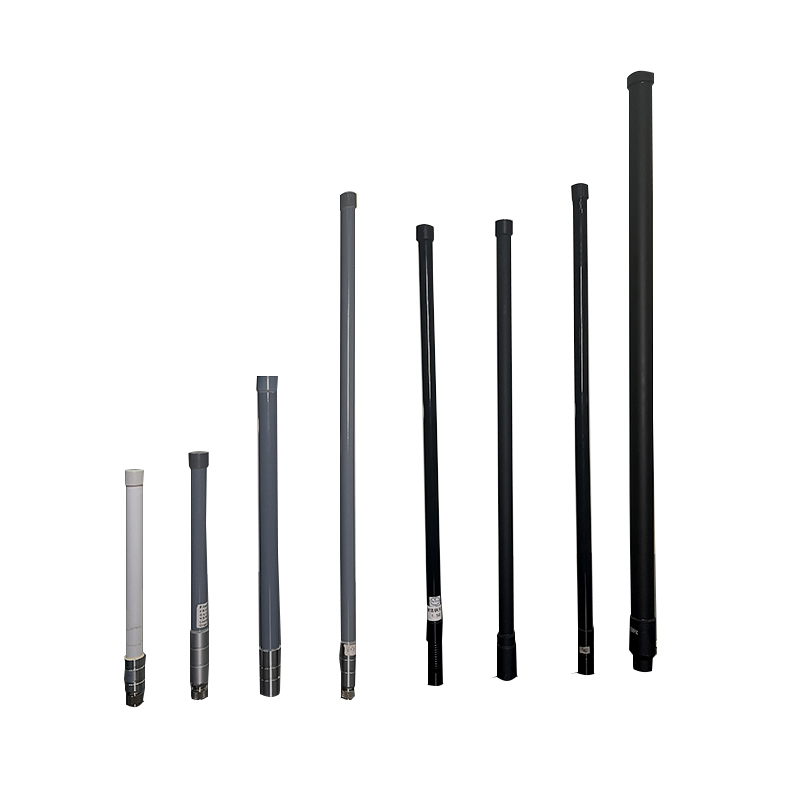
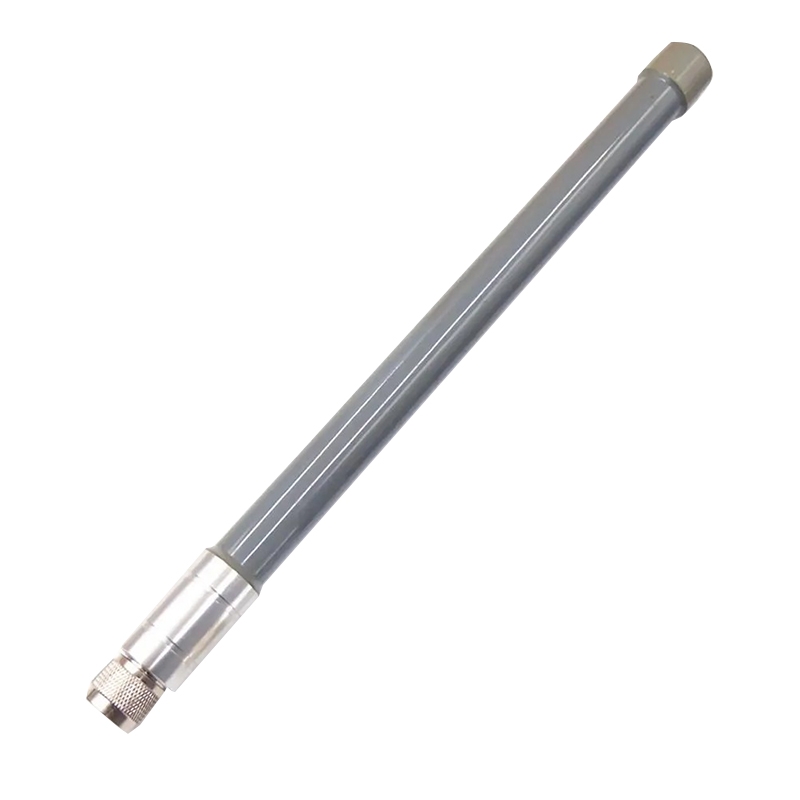
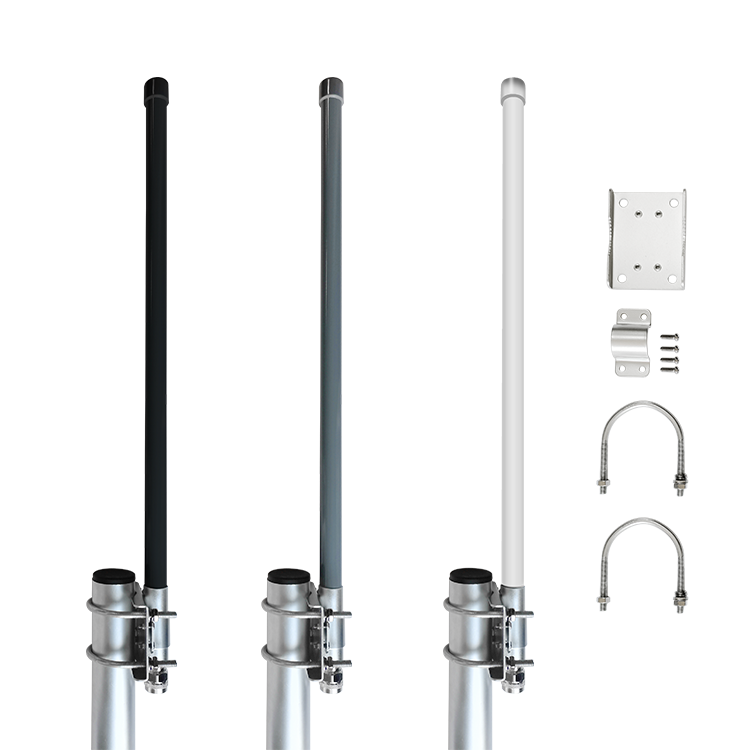
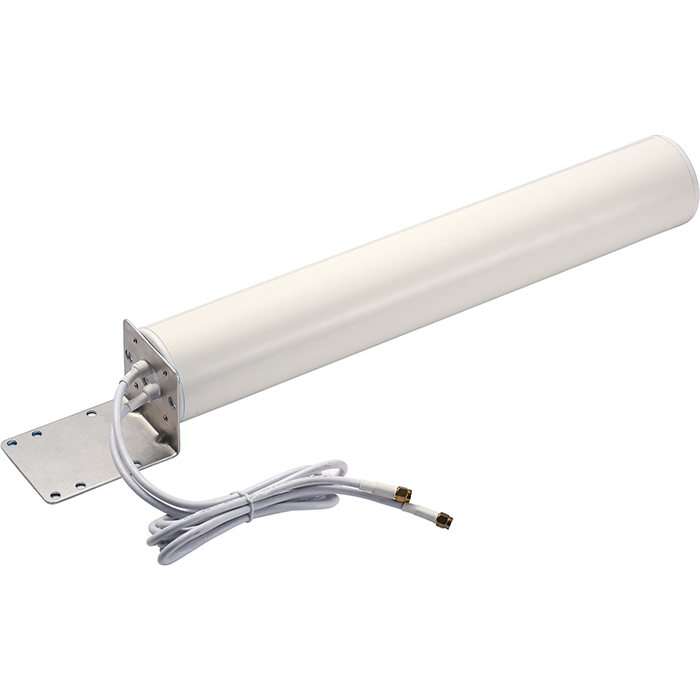
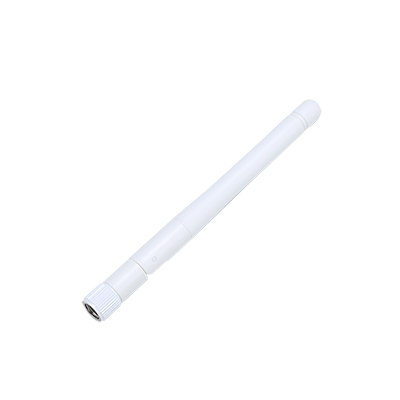
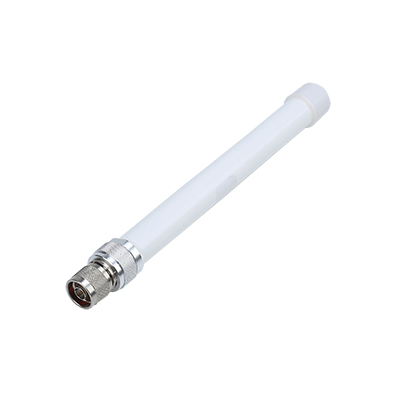
An external WIFI Antenna can noticeably improve signal coverage and stability.It helps extend transmission distance and reduce dead zones caused by walls,metal structures,or long cable runs.In many industrial projects,upgrading the antenna is often the simplest and most cost-effective solution before replacing the whole system.
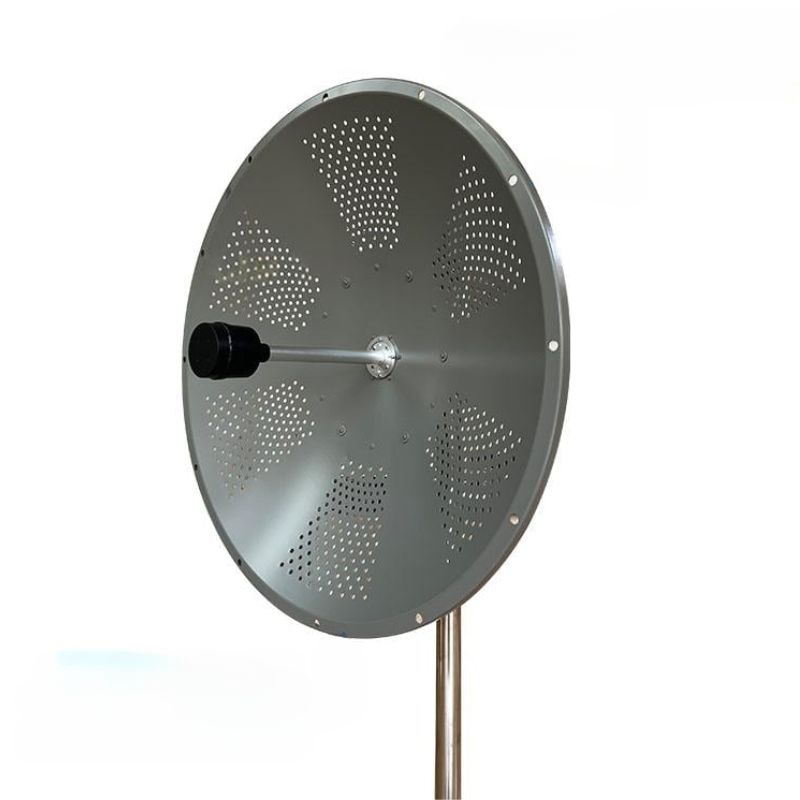
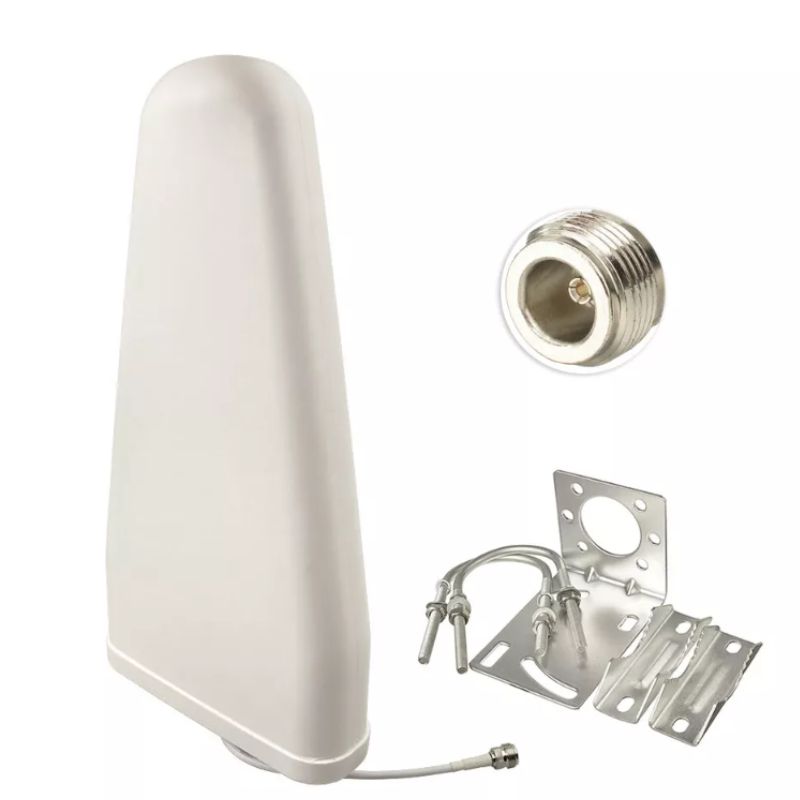
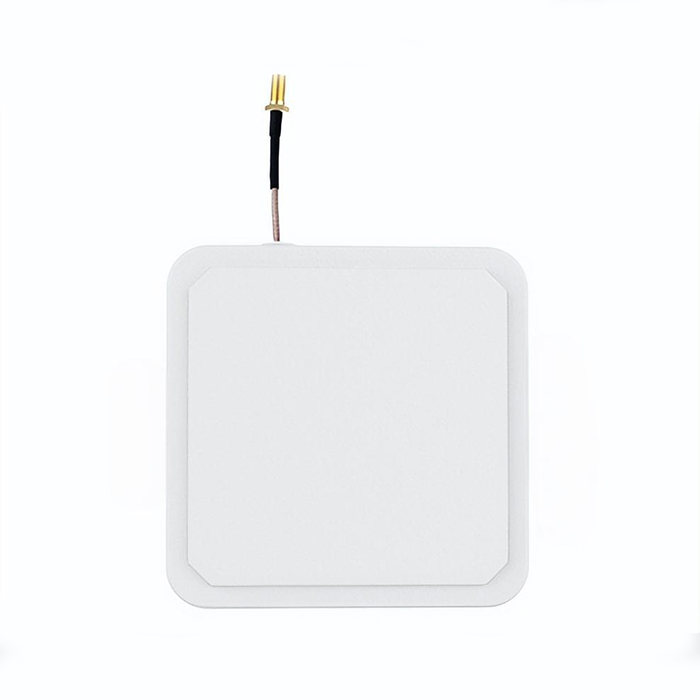
In practice,different environments require different antenna setups.For example,Directional Antennas are often used for point-to-point wireless bridges,while omni-directional antennas are more suitable for wide-area coverage.
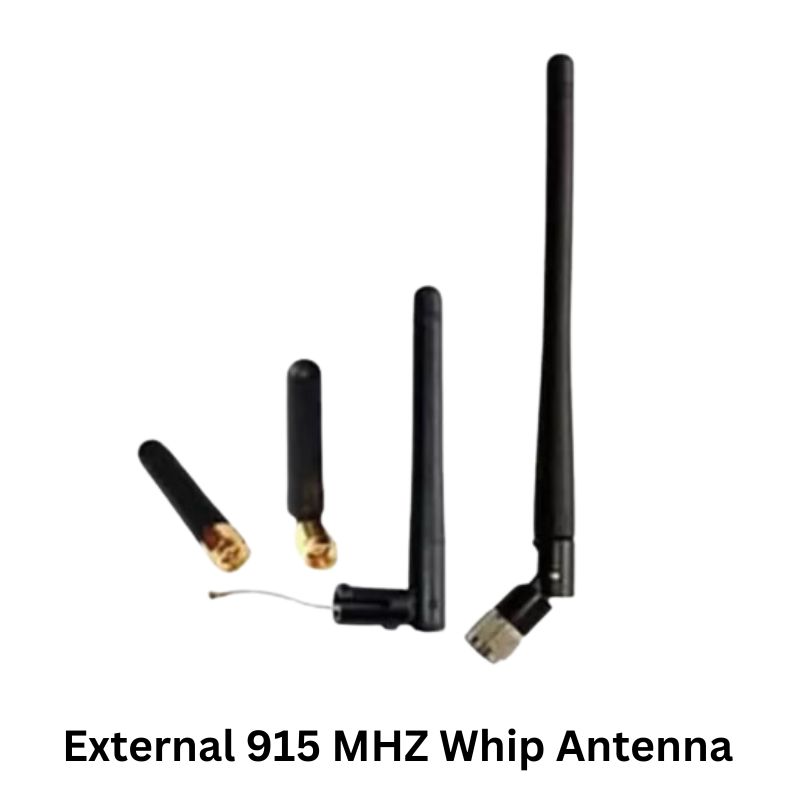
When choosing a WIFI Antenna,frequency compatibility(2.4GHz or 5GHz),gain level(dBi),and installation environment should be considered carefully.A wrong match can easily lead to unstable performance instead of improvement.
For long-term projects,it is usually better to work directly with a WIFI Antenna Manufacturer that understands real application scenarios.A proper manufacturer can help match the antenna with your router or wireless device instead of just offering a standard model.
Many system integrators also prefer sourcing from a wholesale wifi antenna supplier when deploying in bulk,as it helps maintain consistency across all devices and keeps overall cost under control.
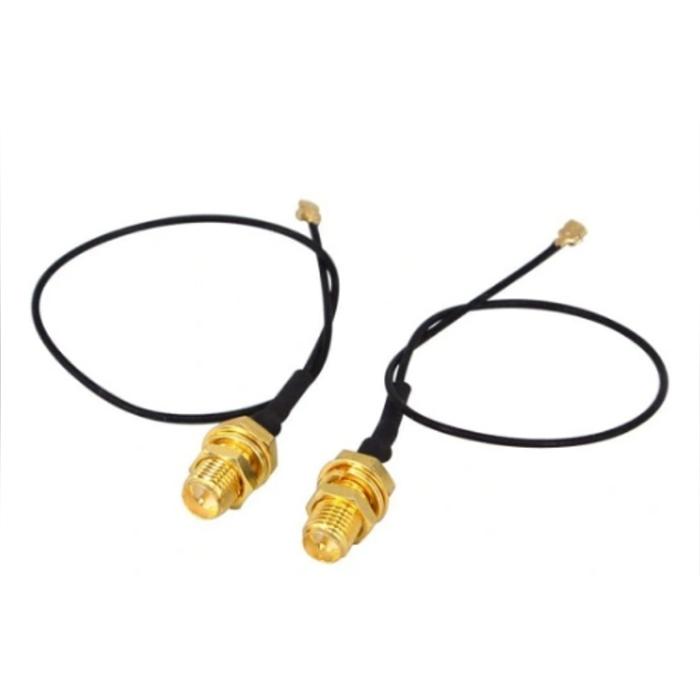
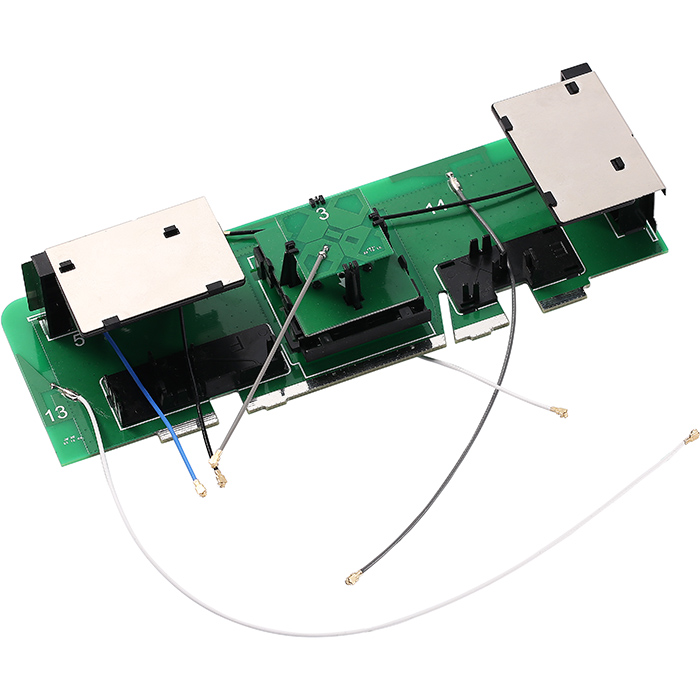
In some cases,standard products are not enough.That is where custom wifi antenna solutions become important,especially for industrial automation,IoT devices,and security systems where signal environments are more complex.
Overall,improving WiFi signal is not only about adding an antenna,but also about selecting the right type based on real usage conditions.



Address: No.1 Sankeng Qinghutou Tangxia Dongguan Guangdong China TaiWan office: 558-2 ZhongHua,Zhubei,Xinzhu,Taiwan
Copyright © 2026 Dongguan RenFeng Electronic Technology Co.,Ltd All rights reserved.