





News
- Home
- Service
- Product Center
- Application
- About Us
- Videos
- News
- Contact Us

2026-04-30 00:57:15
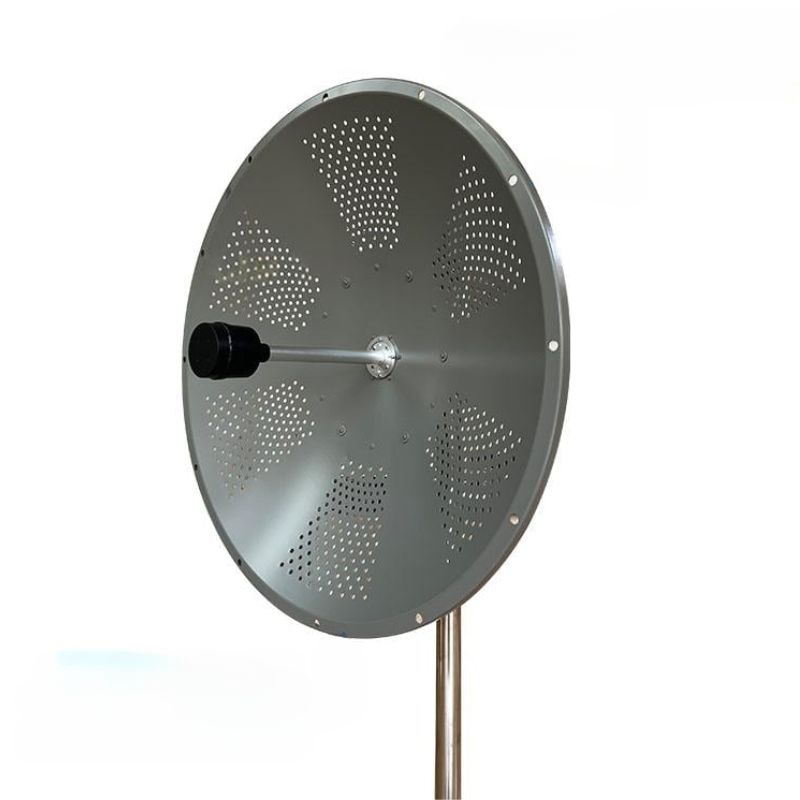
Weather conditions play a critical role in the performance of satellite communication systems,and understanding how they impact a dish antenna is essential for both system designers and buyers.Whether used for broadcasting,telecom,or remote connectivity,environmental factors can directly influence signal strength and stability.
A dish antenna operates by focusing satellite signals onto a receiver,and this process requires a clear and stable transmission path.However,various weather conditions such as rain,snow,wind,and extreme temperatures can interfere with signal quality in different ways.
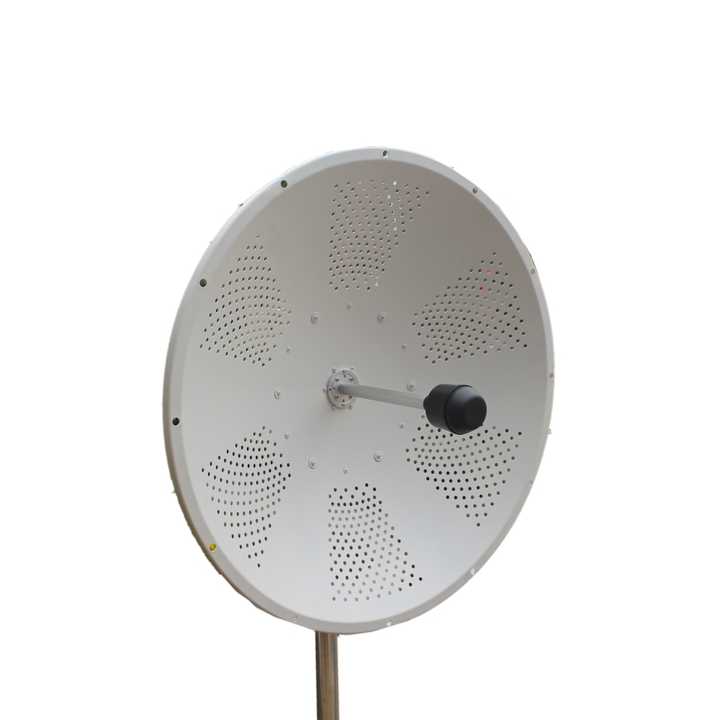
Rain is one of the most significant factors affecting dish antenna performance,especially in higher frequency bands like Ku and Ka band.This phenomenon,often referred to as rain fade,occurs when raindrops absorb and scatter the signal,leading to attenuation.A professional dish antenna manufacturer typically addresses this issue by designing high-gain antennas and recommending proper sizing to compensate for signal loss during heavy rainfall.
Snow and ice can also impact performance,particularly when accumulation occurs on the surface of the dish antenna.This can distort the reflective surface and reduce signal efficiency.To mitigate this,many systems include heating elements or protective covers.A reliable dish antenna supplier will often provide optional accessories designed for cold climates.
Wind is another critical factor.Strong winds can physically shift the alignment of the dish antenna,even if only slightly,which can result in signal degradation or complete loss.For this reason,a well-engineered mounting system is essential.A reputable dish antenna factory will design mounts that can withstand specific wind load ratings,ensuring stability even in harsh weather conditions.
Temperature fluctuations can also affect materials and electronic components.Extreme heat may cause expansion,while freezing temperatures can lead to brittleness.High-quality dish antenna manufacturers take this into account by selecting materials that maintain structural integrity across a wide temperature range.
Humidity and atmospheric conditions,such as fog,generally have a smaller impact compared to rain but can still contribute to minor signal attenuation.Over time,moisture can also affect connectors and electronic components if not properly sealed.
To minimize weather-related issues,proper installation is just as important as product quality.Ensuring accurate alignment,selecting the correct antenna size,and using weather-resistant components all contribute to stable performance.Partnering with an experienced dish antenna supplier can help businesses choose the right configuration based on their geographic and environmental conditions.
In summary,weather does affect dish antenna performance,but the extent of the impact can be significantly reduced with the right design,materials,and installation practices.For B2B buyers,working with a trusted dish antenna manufacturer or dish antenna factory is the most effective way to ensure reliable operation in all weather conditions.



Address: No.1 Sankeng Qinghutou Tangxia Dongguan Guangdong China TaiWan office: 558-2 ZhongHua,Zhubei,Xinzhu,Taiwan
Copyright © 2026 Dongguan RenFeng Electronic Technology Co.,Ltd All rights reserved.