





News
- Home
- Service
- Product Center
- Application
- About Us
- Videos
- News
- Contact Us

2026-05-07 20:44:27
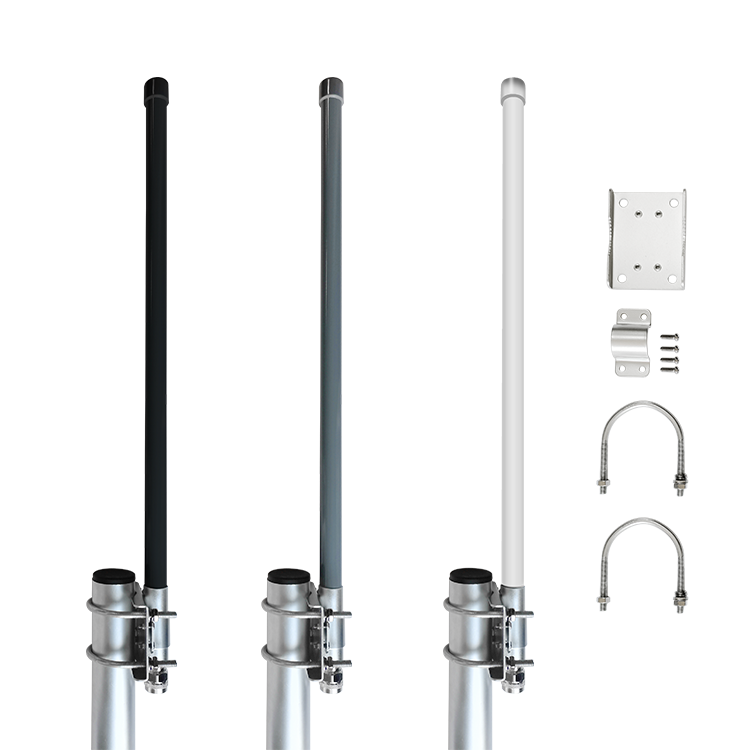
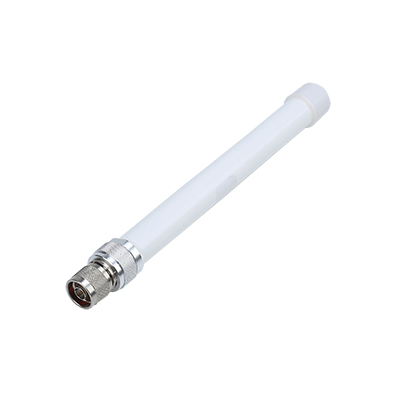
Fiberglass antennas are widely used in modern communication systems due to their strength,corrosion resistance,and stable signal transmission capabilities.Among the most common types are omnidirectional and directional fiberglass antennas,each designed for different communication needs.Understanding their differences is important when choosing products from a reliable fiberglass antenna manufacturer or fiberglass antenna factory.
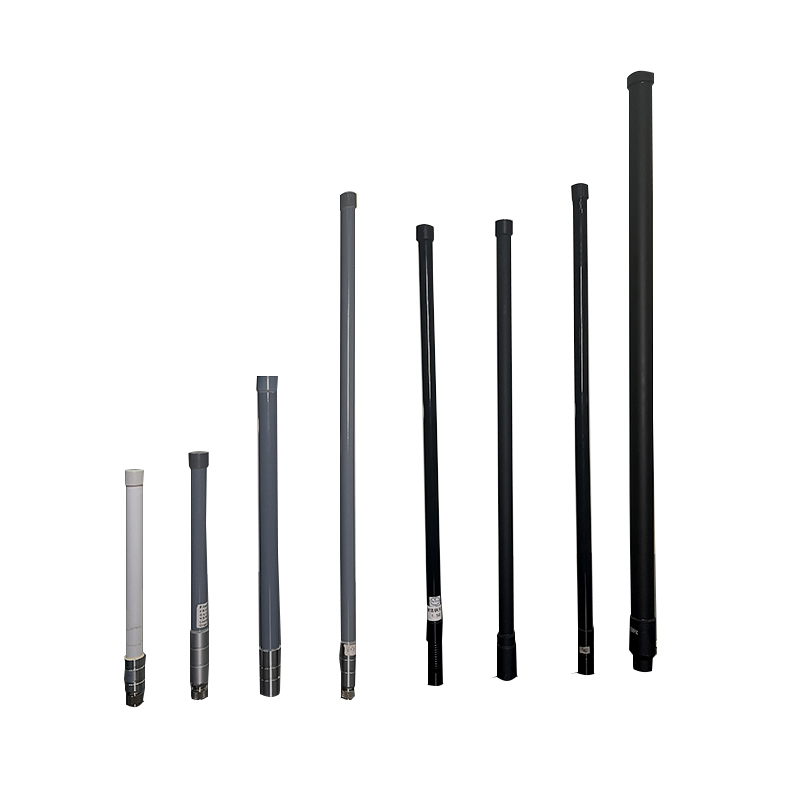
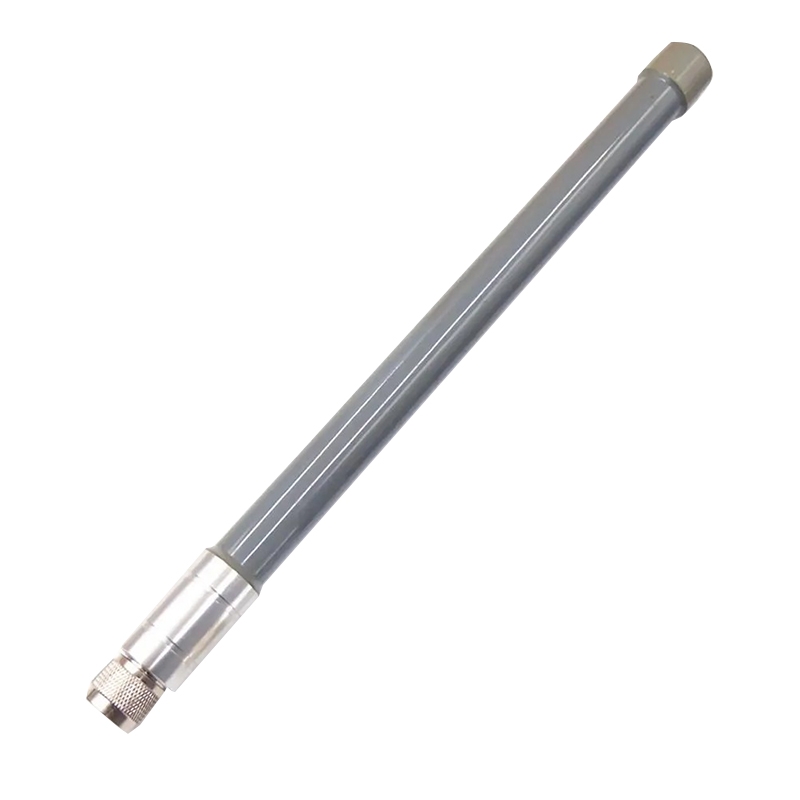
An omnidirectional fiberglass antenna is designed to transmit and receive signals in all horizontal directions.It provides a 360-degree coverage pattern,making it ideal for applications where communication devices are spread around a central point.This type of antenna is commonly used in base stations,WiFi networks,and general wireless communication systems.Many fiberglass antenna manufacturers produce omnidirectional models because they are versatile and suitable for a wide range of environments.
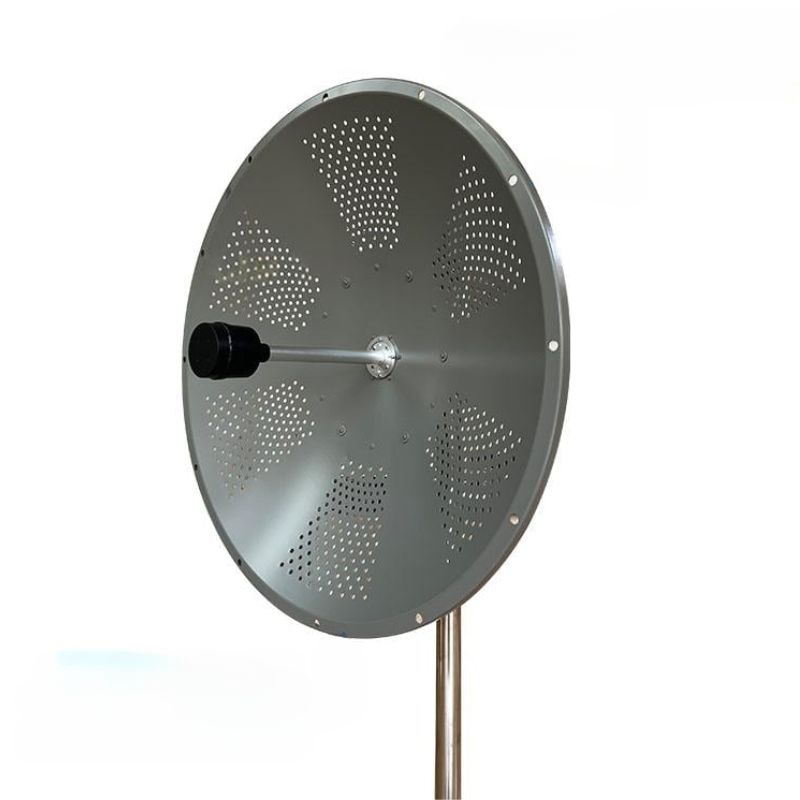
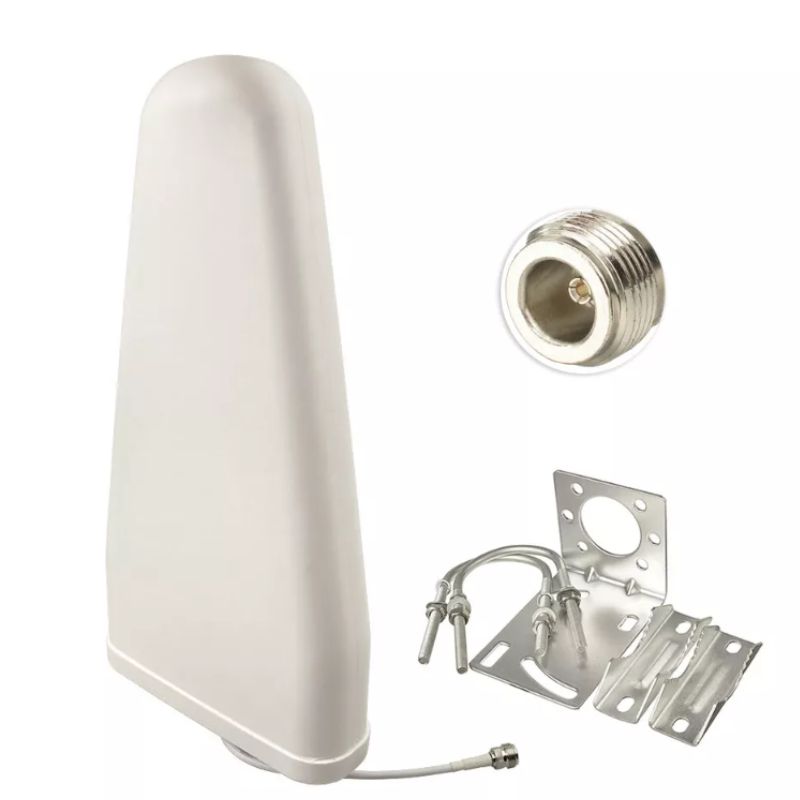
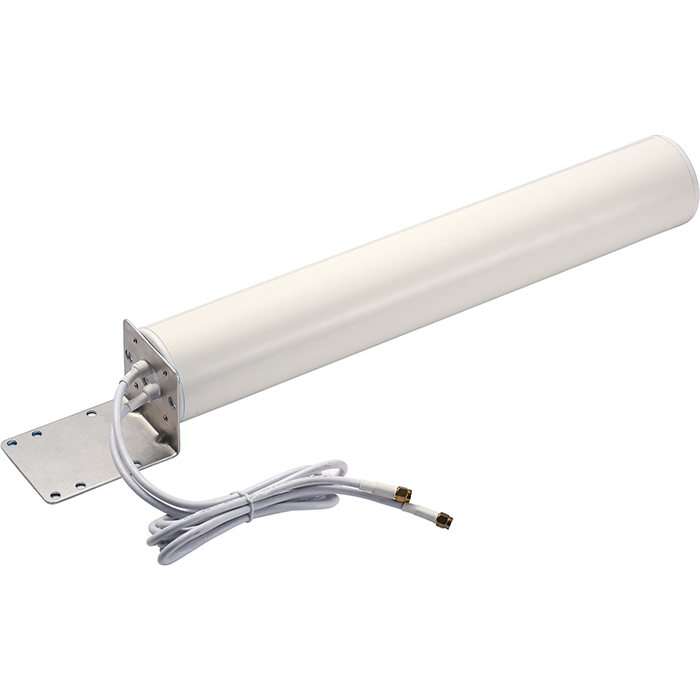
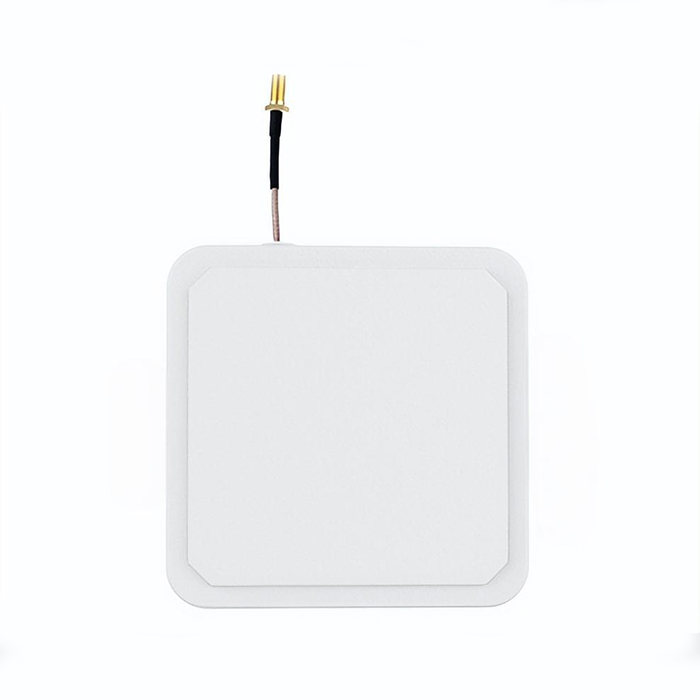
In contrast,a directional fiberglass antenna focuses its signal in a specific direction.Instead of spreading energy evenly,it concentrates the signal into a narrow beam,which significantly increases range and signal strength in that direction.This makes Directional Antennas ideal for long-distance point-to-point communication,such as between buildings,remote monitoring systems,or industrial applications.A professional fiberglass antenna factory typically designs Directional Antennas with higher gain and improved signal focus to meet these specialized requirements.
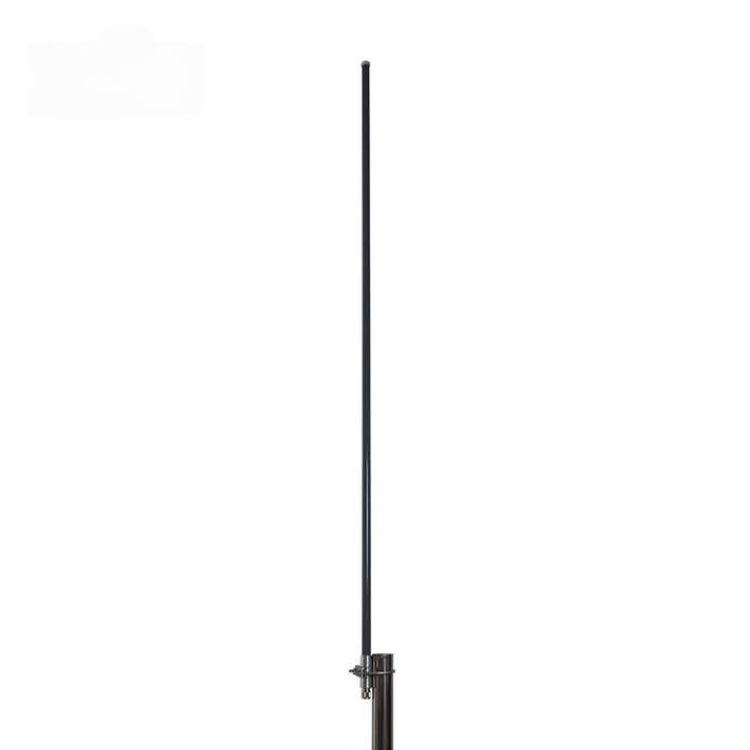
The main difference between these two types lies in coverage and signal efficiency.OmniDirectional Antennas provide broader coverage but with relatively lower gain,while directional antennas offer stronger signal performance but only in a targeted direction.Choosing between them depends entirely on the application scenario.
For example,if a network requires communication across multiple moving devices or wide-area coverage,an omnidirectional fiberglass antenna is more suitable.However,if the goal is stable long-distance transmission between two fixed points,a directional fiberglass antenna is the better choice.
When sourcing either type,working with an experienced fiberglass antenna manufacturer is crucial.High-quality fiberglass antenna manufacturers ensure precise engineering,proper gain control,and strong environmental resistance.A reliable fiberglass antenna factory will also provide customization options,allowing customers to select frequency range,gain level,and mounting structure based on specific project needs.
In summary,omnidirectional and directional fiberglass antennas serve different communication purposes.Understanding their differences helps users choose the right solution for their system,especially when working with professional fiberglass antenna manufacturers or a trusted fiberglass antenna factory that can guarantee both performance and durability.



Address: No.1 Sankeng Qinghutou Tangxia Dongguan Guangdong China TaiWan office: 558-2 ZhongHua,Zhubei,Xinzhu,Taiwan
Copyright © 2026 Dongguan RenFeng Electronic Technology Co.,Ltd All rights reserved.