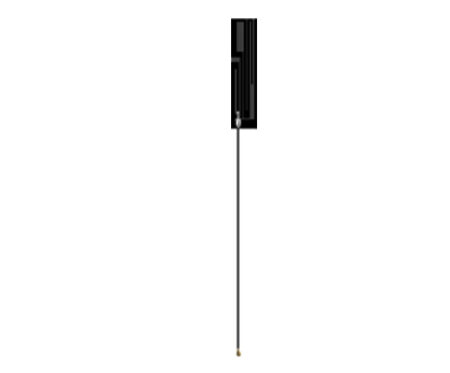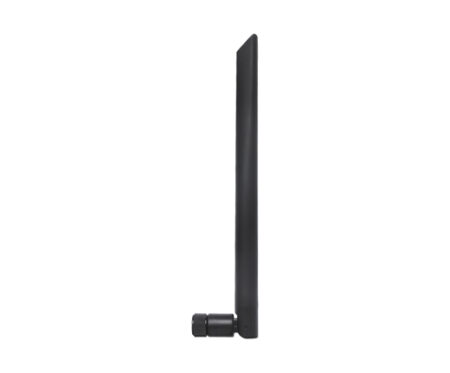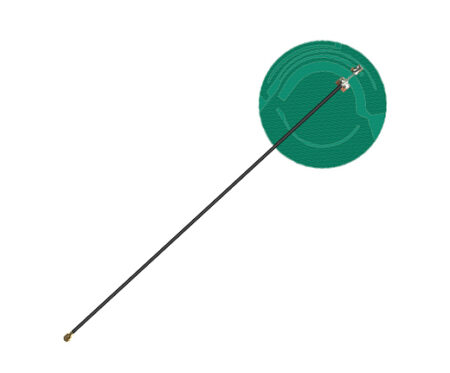
A custom antenna manufacturer supports FPC antenna projects by adapting antenna dimensions, frequency coverage, cable connections, and installation structures to device requirements. Renfeng’s NB-IoT/GSM 3dBi Wideband FPC Embedded Antenna covers 824–960MHz and 1710–2170MHz, with a 34 × 7mm FPC element, IPEX-1 connector, and 120mm RF1.13 cable.
What Is an FPC Embedded Antenna?
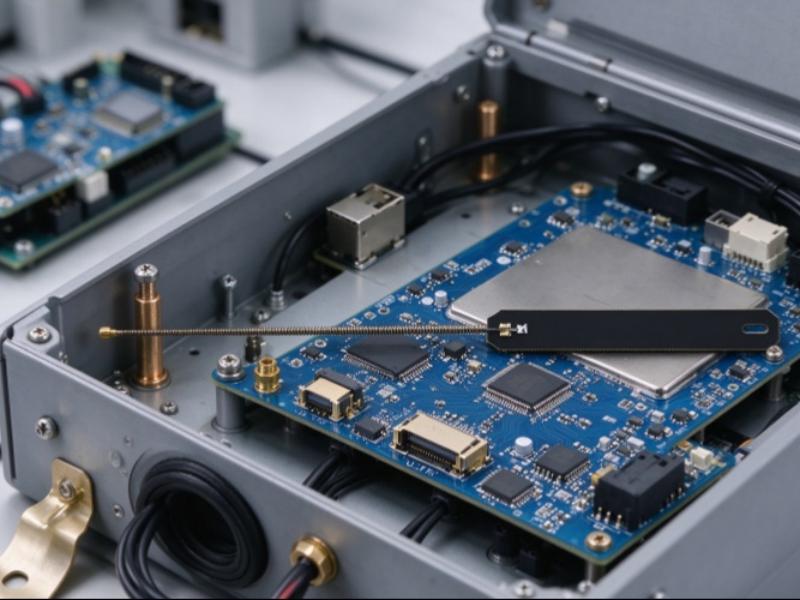
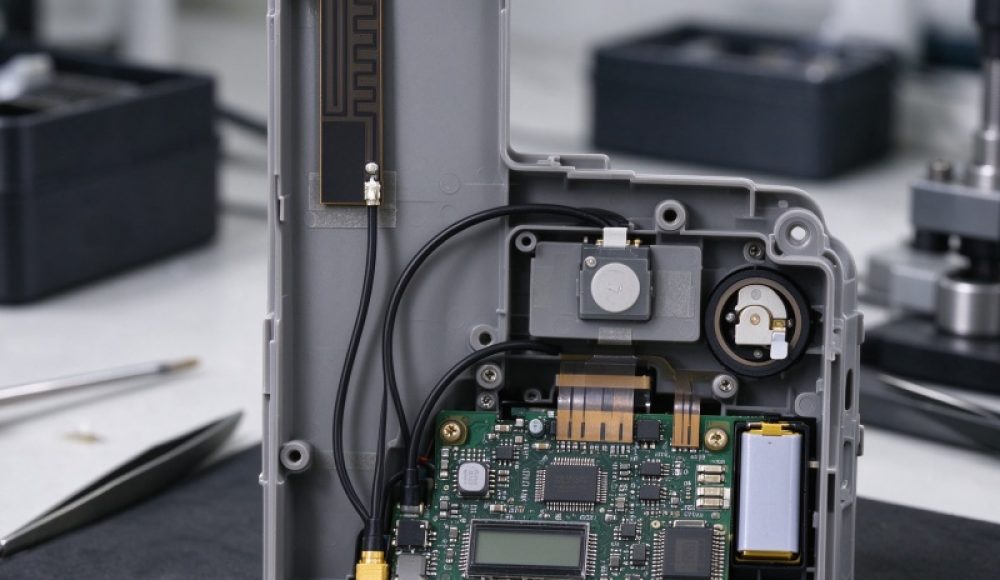
An FPC embedded antenna is a flexible antenna element designed for installation inside electronic devices. It uses a flexible printed circuit structure, allowing engineers to place the antenna in limited or irregular spaces within a product enclosure.
An FPC antenna is defined as a flexible printed circuit antenna that uses a patterned conductive element on a flexible substrate to transmit and receive radio frequency signals. Unlike rigid PCB antennas, its flexible structure can support installation on selected internal surfaces, subject to bending and clearance requirements.
The Renfeng NB-IoT/GSM 3dBi Wideband FPC Embedded Antenna is designed for devices operating across two frequency ranges: 824–960MHz and 1710–2170MHz. Its 34 × 7mm FPC element connects through an IPEX-1 interface and a 120mm RF1.13 cable.
How Does an FPC Antenna Work in an IoT Device?
An FPC antenna converts electrical signals from an RF module into electromagnetic waves during transmission and captures incoming radio signals during reception.
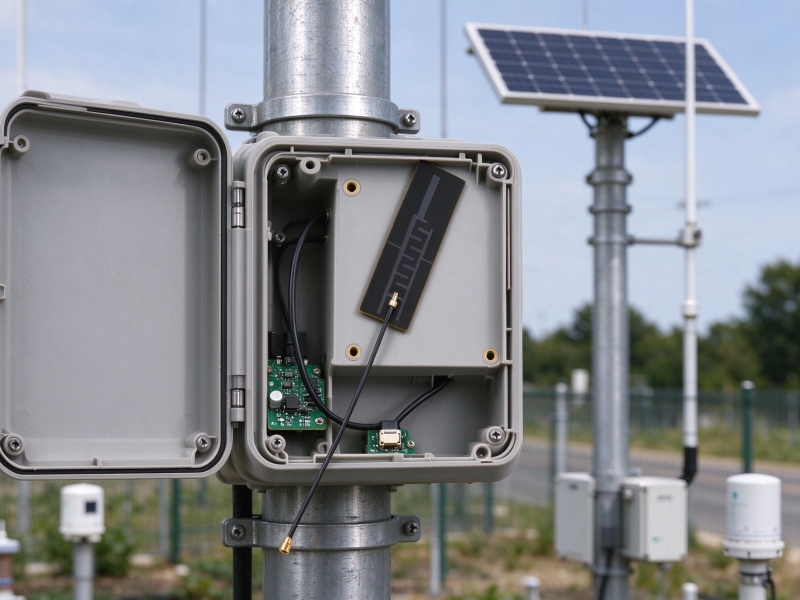
The antenna connects to the wireless module through its RF cable and connector. The conductive pattern on the flexible substrate determines its electrical characteristics, while the surrounding ground plane, enclosure, battery, and other components can influence its performance.
During integration, engineers should consider:
- Placement: Position the antenna in an area that provides suitable clearance from metal components.
- Bending: Follow the antenna’s specified bending requirements instead of folding or sharply creasing the FPC element.
- Cable routing: Keep the RF1.13 cable away from sources of interference and avoid excessive bending.
- Connector compatibility: Confirm that the IPEX-1 interface matches the device’s RF connection.
- Enclosure effects: Evaluate how housing materials and internal structures affect antenna performance.
These factors help determine whether the antenna can operate effectively within the final device.
What Are the Main Specifications of the Renfeng FPC Antenna?
The Renfeng FPC antenna supports two frequency ranges and combines a 3dBi gain rating with a small flexible element and cable-based RF connection.
| Parameter | Specification |
|---|---|
| Product type | FPC Embedded Antenna |
| Frequency range | 824–960MHz / 1710–2170MHz |
| Gain | 3dBi |
| FPC dimensions | 34 × 7mm |
| Connector | IPEX-1 |
| Cable | 120mm RF1.13 |
| Antenna structure | Flexible printed circuit |
The main advantages include a small installation footprint, flexible positioning options, and support for two specified frequency ranges. These characteristics make the antenna relevant to compact cellular IoT devices that require internal wireless connectivity.
However, the 3dBi gain rating alone does not establish real-world communication distance or efficiency. Engineers should evaluate antenna performance in the complete device, especially when the enclosure contains batteries, metal shielding, displays, or other conductive components.
Which Devices Can Use an NB-IoT and GSM FPC Antenna?
An NB-IoT and GSM FPC antenna can be used in cellular IoT equipment when its frequency coverage and RF interface match the device requirements.
Typical applications include:
- Smart meters: Internal antennas for remote electricity, water, and gas meter communication.
- NB-IoT terminals: Wireless connectivity for low-power monitoring and data collection devices.
- Remote monitoring equipment: Cellular connections for sensors and distributed monitoring systems.
- Industrial IoT devices: Internal antenna integration in compact control and communication terminals.
- GSM-enabled equipment: Cellular communication devices operating within the antenna’s supported frequency bands.
The exact supported network bands depend on the regional cellular requirements and the wireless module used in the device. Therefore, product teams should compare the antenna’s frequency ranges with the module’s operating bands before confirming compatibility.
How Should You Choose a Custom Antenna Manufacturer for FPC Projects?
A custom antenna manufacturer should be able to evaluate RF requirements alongside mechanical structure, installation space, and production needs. Selecting a provider based only on antenna dimensions or gain may overlook integration issues that appear during device testing.
Consider the following evaluation points:
- Frequency coverage: Confirm that the antenna supports the required NB-IoT, GSM, or other cellular bands.
- Mechanical adaptation: Check whether the FPC dimensions and cable length fit the internal enclosure.
- RF engineering: Review the provider’s ability to assess impedance matching, antenna placement, and enclosure effects.
- Connector configuration: Confirm compatibility between the antenna connector and the wireless module.
- Prototype validation: Ask whether the provider can support sample evaluation and RF testing.
- Production capability: Check whether the design can transition from prototype development to consistent batch manufacturing.
Useful RF validation methods include return loss, VSWR, impedance measurements, radiation pattern testing, and antenna efficiency evaluation. A vector network analyzer can measure impedance and S-parameters, while an appropriate antenna test environment can assess radiation characteristics and efficiency.
Testing should use the final device configuration whenever possible. The antenna’s performance in an open environment may differ from its performance after installation inside the enclosure.
How Does an FPC Antenna Compare with PCB and Other Internal Antennas?
FPC antennas offer more flexibility in physical placement than rigid PCB antennas, while other internal antenna structures may suit different mechanical and RF requirements.
| Antenna type | Structure | Main integration feature | Typical consideration |
|---|---|---|---|
| FPC antenna | Flexible printed circuit | Can fit selected curved or narrow internal surfaces | Bending and adhesive placement |
| PCB antenna | Rigid circuit board | Fixed structural dimensions | Board space and ground clearance |
| Ceramic antenna | Ceramic element | Compact component-style installation | Matching and placement |
| Wire antenna | Conductive wire element | Flexible routing options | Position stability and assembly |
Compared with traditional solutions, an FPC antenna can provide more options for fitting wireless components into compact enclosures. However, it still requires suitable clearance, cable routing, and RF validation. The best antenna type depends on the device structure, operating frequency, available space, and required performance.
What Factors Affect the Cost of FPC Antenna Customization?
FPC antenna project costs depend on design complexity, material and structural requirements, testing scope, and production volume.
Key factors include:
- Frequency requirements: Multi-band designs may require additional RF design and validation work.
- FPC dimensions: Changes to the antenna outline or conductive pattern may require design adjustments.
- Cable and connector options: Cable length, cable type, and connector configuration affect the assembly.
- Mechanical constraints: Limited space or complex enclosure structures may require additional integration evaluation.
- Testing requirements: Prototype measurements and final-device validation add engineering workload.
- Production quantity: Prototype runs and batch production have different manufacturing cost structures.
Providing the device dimensions, RF module information, target frequency bands, and installation drawings early can help clarify project requirements and reduce unnecessary design iterations.
How Does Renfeng Support Custom FPC Antenna Projects?
Renfeng focuses on customized antenna solutions for wireless communication and IoT equipment. The company supports FPC, PCB, and embedded antenna development, with RF engineers who have an average of more than 10 years of industry experience.
Its project capabilities cover product concept development, RF design, antenna integration adaptation, and batch production. This allows equipment developers to discuss frequency requirements, antenna dimensions, cable configurations, and internal installation conditions during the development process.
The NB-IoT/GSM 3dBi Wideband FPC Embedded Antenna is one example of this product range. It combines 824–960MHz and 1710–2170MHz frequency coverage with a 34 × 7mm flexible element, IPEX-1 connector, and 120mm RF1.13 cable.
Renfeng serves customers developing smart meters, NB-IoT terminals, remote monitoring equipment, and other wireless communication products. For projects intended for regulated markets, customers should identify the applicable regional radio and product requirements and request relevant test reports or certification documents. No specific certification details have been provided for this antenna.
Frequently Asked Questions
What Is an FPC Embedded Antenna?
An FPC embedded antenna is a flexible printed circuit antenna installed inside an electronic device. It provides wireless signal transmission and reception while supporting integration into limited internal spaces.
How to Choose an FPC Antenna for NB-IoT Devices?
Compare the antenna’s frequency range with the wireless module’s supported bands. Then check its dimensions, cable length, connector, installation position, and measured RF performance inside the final enclosure.
Why Does an FPC Antenna Need RF Testing After Installation?
The device enclosure, battery, ground plane, and nearby components can change antenna impedance and radiation characteristics. Testing the assembled device helps determine whether the antenna meets the required performance targets.
Source & Expertise
This article uses the supplied Renfeng product specifications and company information. General technical explanations are based on established RF antenna integration principles. Actual antenna performance should be confirmed through measurements in the intended device configuration.
Last Updated
November 4, 2026