






News
- Home
- Service
- Product Center
- Application
- About Us
- Videos
- News
- Contact Us

2026-05-25 17:46:25
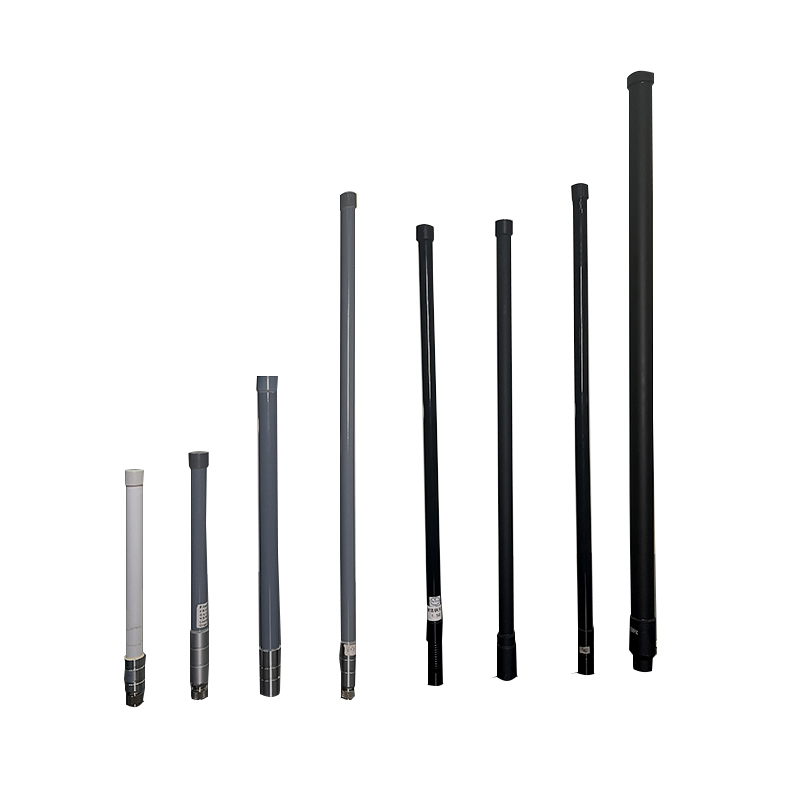
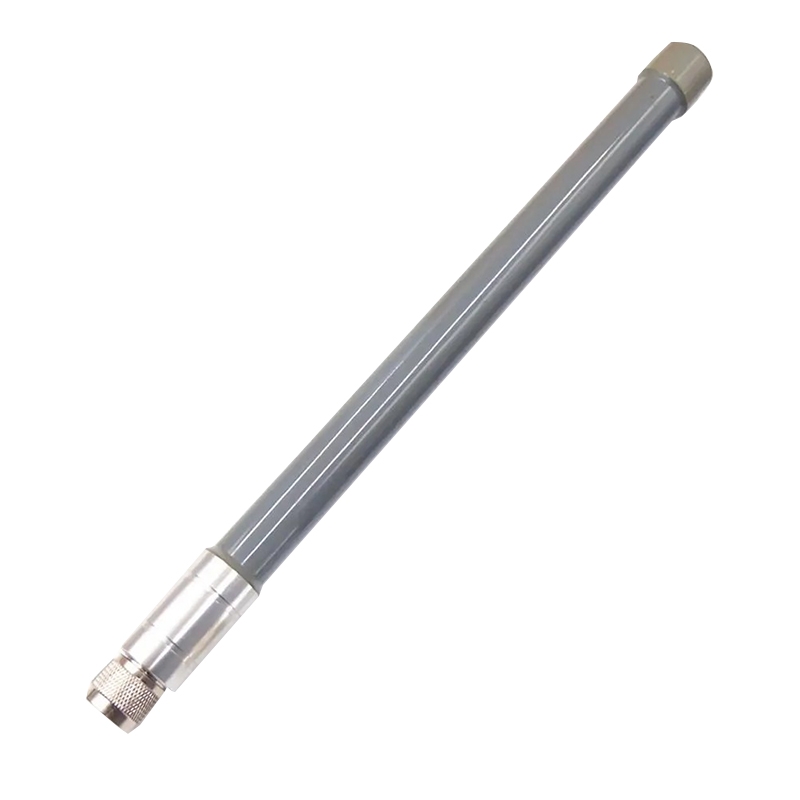
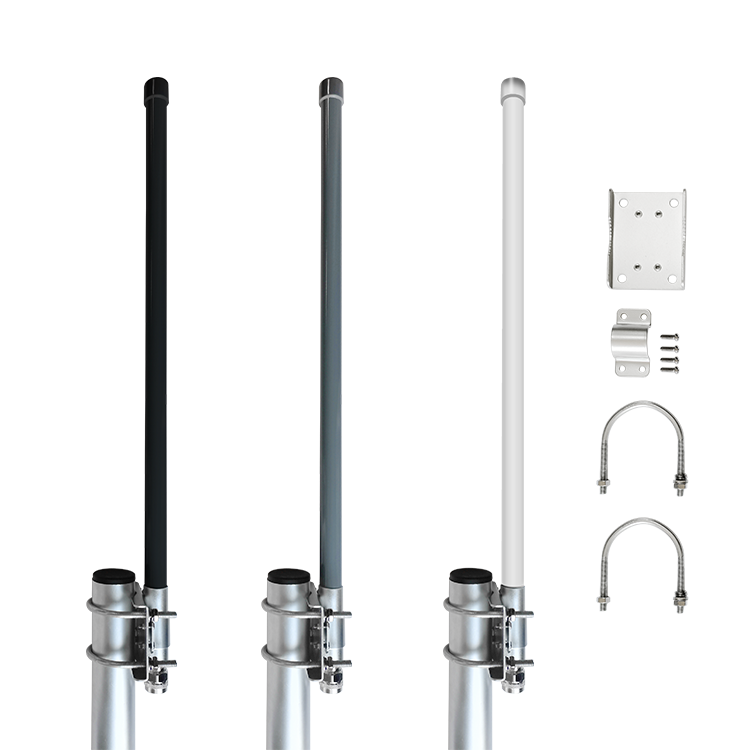
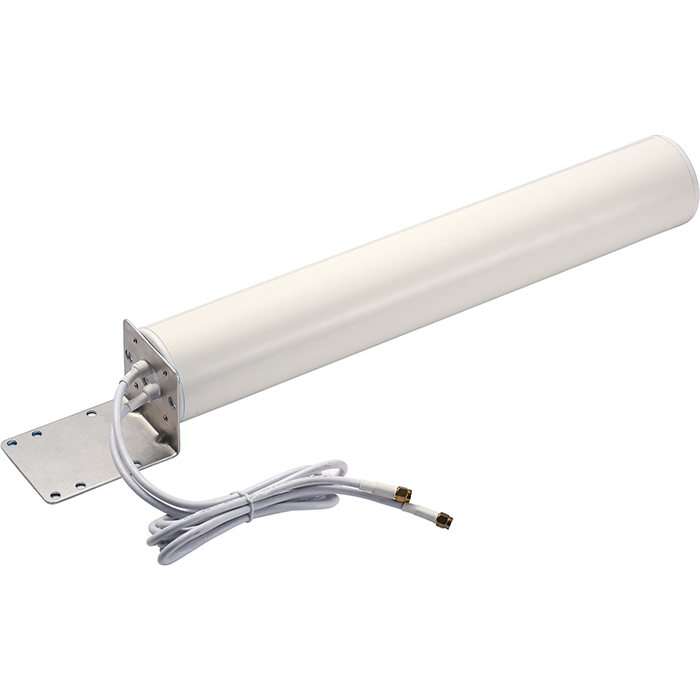
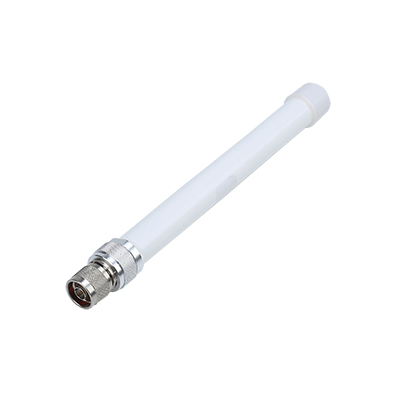
The omni antenna market growth in 2026 is accelerating rapidly as global demand for stable, wide-coverage wireless communication continues to rise. An omni antenna (omniDirectional Antenna) is designed to transmit and receive signals in a 360-degree pattern, making it a core component in modern wireless communication systems, including WiFi networks, IoT devices, and cellular infrastructure.
As industries move toward full digital connectivity, the need for reliable RF antenna solutions and high-performance signal distribution is stronger than ever.
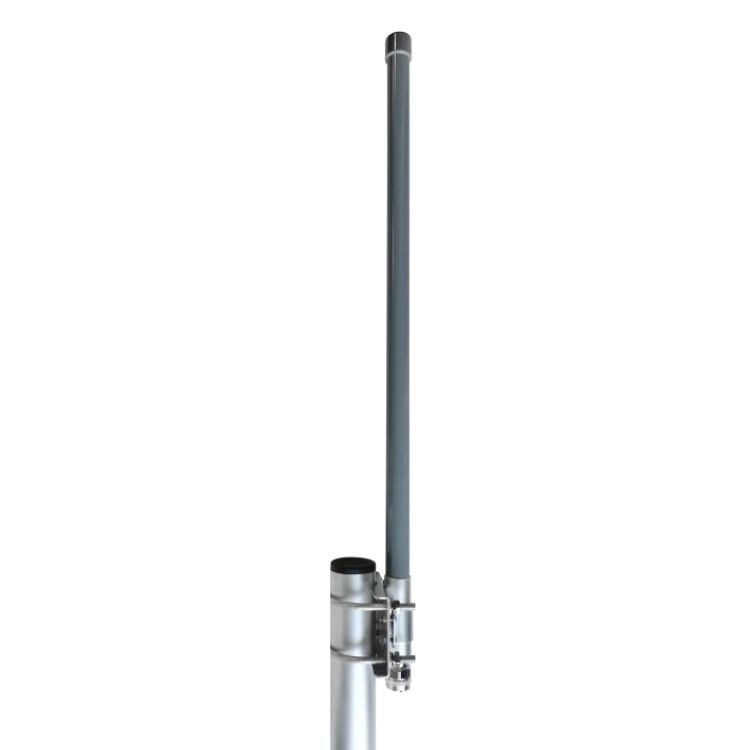
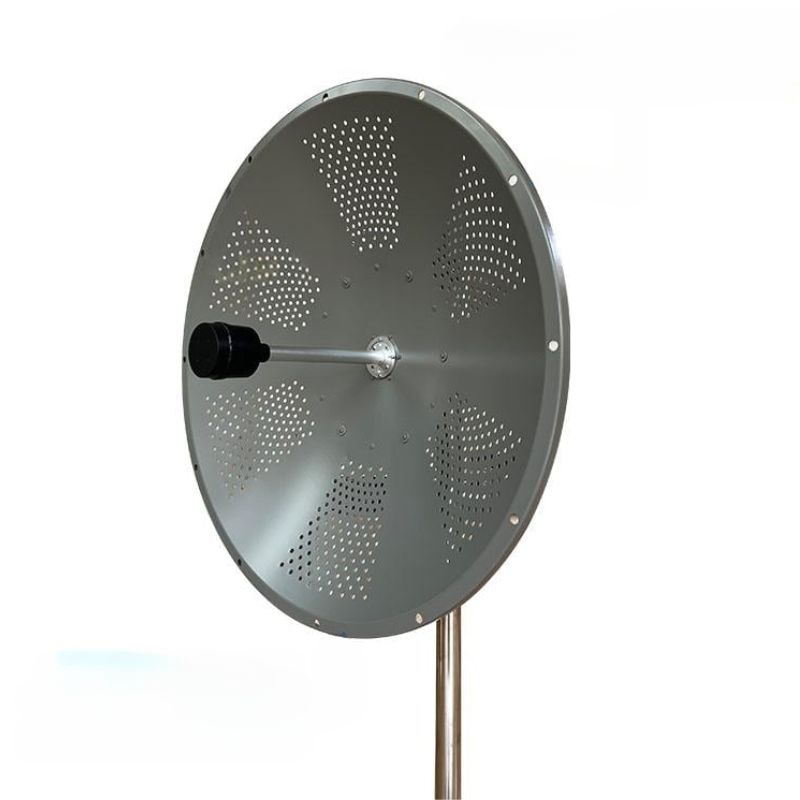
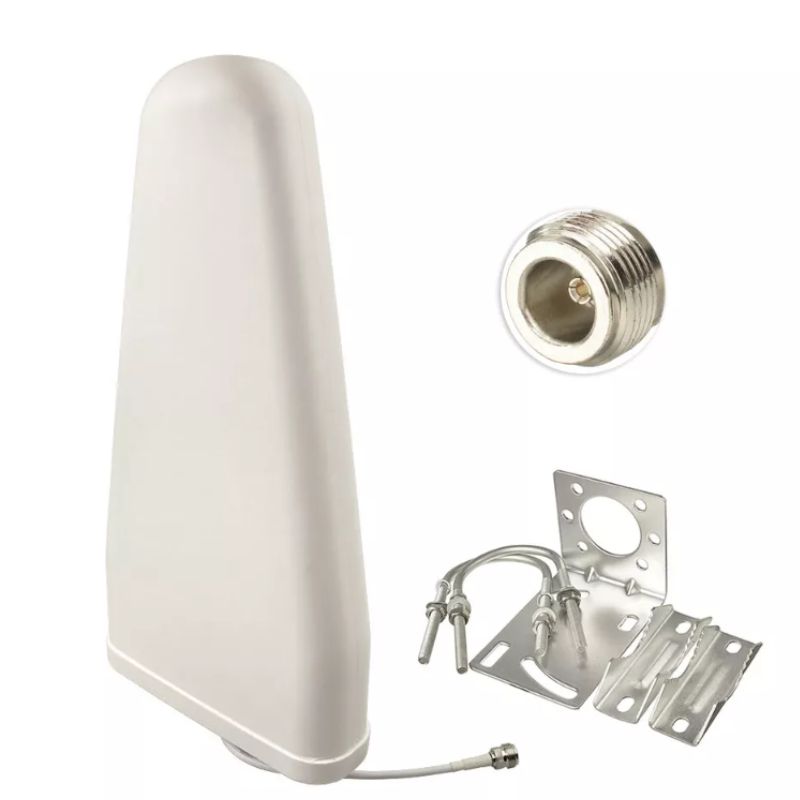
One of the main reasons behind the growing adoption of omniDirectional Antennas is their ability to provide consistent signal coverage without requiring precise alignment. Unlike Directional Antennas, which focus energy in one direction, omni antennas distribute signals evenly across all directions.
This makes them especially valuable in environments such as cities, factories, and large buildings where devices move frequently and signal consistency is critical.
In 2026, the expansion of 5G networks, smart infrastructure, and IoT ecosystems is further driving demand for scalable antenna solutions.
Modern high-gain omni antennas are engineered to support a wide range of communication needs. Their key features include:
360-degree signal coverage
Strong performance in multi-device environments
Compatibility with 2.4GHz and 5GHz frequency bands
Weather-resistant designs for outdoor deployment
Stable signal transmission in dense environments
These characteristics make omni antennas a preferred choice for both commercial and industrial applications.
Omni antennas are widely used in 5G base stations to provide broad and stable signal distribution across urban and suburban areas.
In office buildings and campuses, WiFi omni antennas ensure seamless connectivity for multiple users and devices simultaneously.
As the IoT communication network expands, omni antennas play a key role in connecting sensors, smart meters, and automation systems.
Factories rely on industrial RF antennas for machine-to-machine communication and real-time monitoring systems.
From vehicles to drones, omni antennas support stable wireless signal transmission in dynamic environments.
Several factors are contributing to the strong growth of the omni antenna industry:
Expansion of 5G and future 6G networks
Rapid growth of IoT-connected devices
Increasing demand for smart cities and automation
Rising need for stable indoor and outdoor coverage
Advancements in antenna design and RF technology
Together, these trends are pushing manufacturers and system integrators to invest in more efficient and scalable antenna solutions.
Compared to directional antennas, omni antennas are easier to deploy and require less alignment. This reduces installation complexity and maintenance costs while ensuring stable performance across multiple devices.
For businesses building wireless communication infrastructure, this balance of performance and simplicity makes omni antennas a cost-effective solution.
Q1: What is an omni antenna used for?
A: It is used for 360-degree wireless signal coverage in WiFi, telecom, IoT, and industrial communication systems.
Q2: Is an omni antenna better than a directional antenna?
A: It depends on the application. Omni antennas are better for broad coverage, while directional antennas are better for long-distance focused signals.
Q3: What frequencies do omni antennas support?
A: Most support 2.4GHz, 5GHz, and some models extend to higher RF bands used in 5G systems.
Q4: Why is the omni antenna market growing so fast?
A: Growth is driven by 5G expansion, IoT adoption, and increasing demand for reliable wireless connectivity.



Address: No.1 Sankeng Qinghutou Tangxia Dongguan Guangdong China TaiWan office: 558-2 ZhongHua,Zhubei,Xinzhu,Taiwan
Copyright © 2026 Dongguan RenFeng Electronic Technology Co.,Ltd All rights reserved.