





News
- Home
- Service
- Product Center
- Application
- About Us
- Videos
- News
- Contact Us

2026-04-18 10:49:57
When selecting an antenna for an outdoor gateway, performance, durability, and coverage range are critical factors that directly impact system reliability. Among the most common options, Fiberglass antennas and rubber duck antennas serve different purposes, and understanding their differences will help you make the right decision.
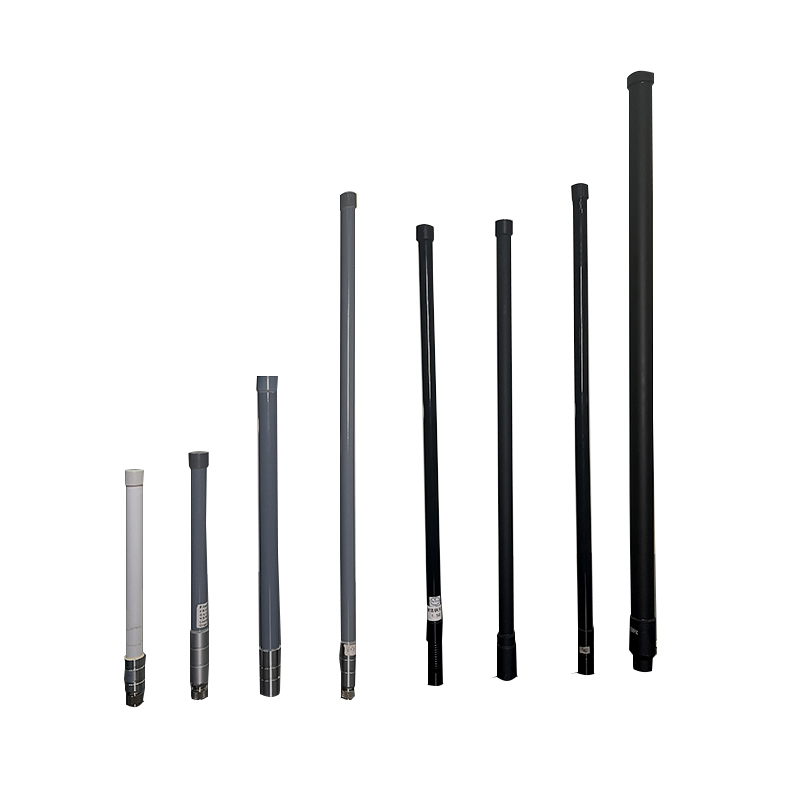
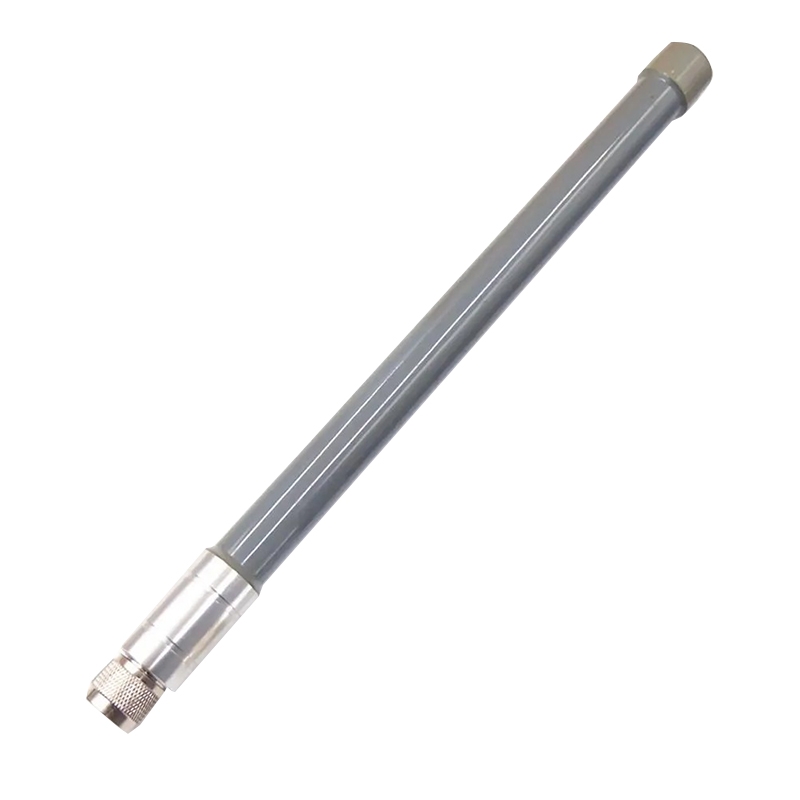
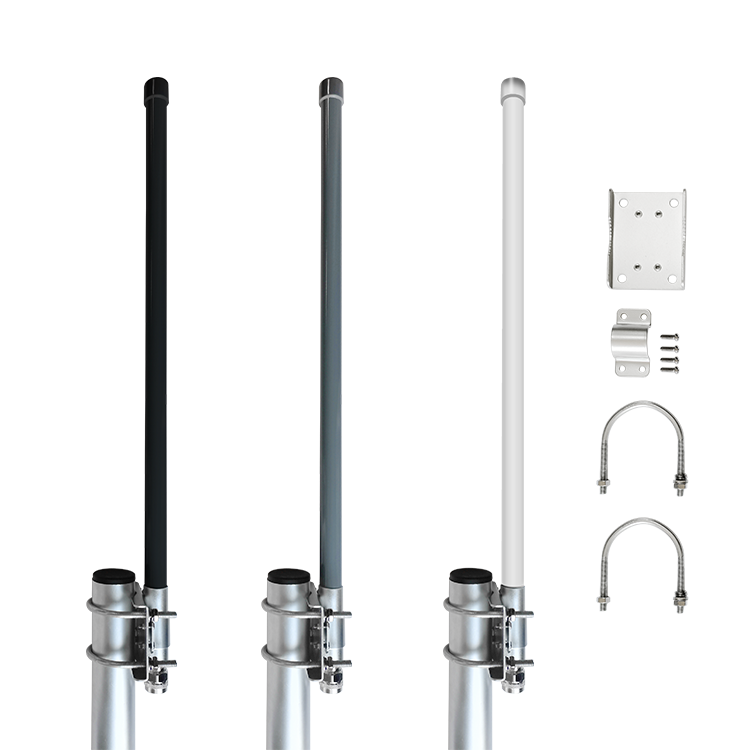
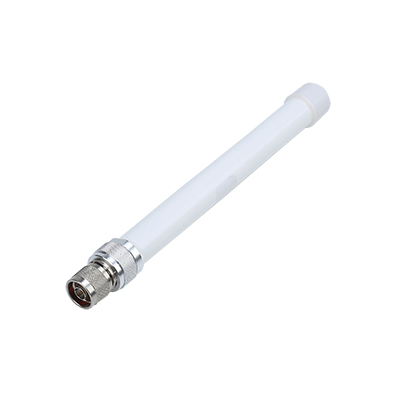
fiberglass antennas are specifically engineered for outdoor deployment. With a मजबूत fiberglass radome structure, they are highly resistant to rain, UV exposure, wind, and extreme temperatures. This makes them ideal for applications such as IoT gateways, smart agriculture systems, industrial monitoring, and remote communication networks. A professional Fiberglass Antenna manufacturer typically designs these antennas to deliver high gain, ensuring longer transmission distances and more stable signal coverage in open or challenging environments. If your project demands consistent connectivity across wide outdoor areas, fiberglass antennas are a reliable choice.
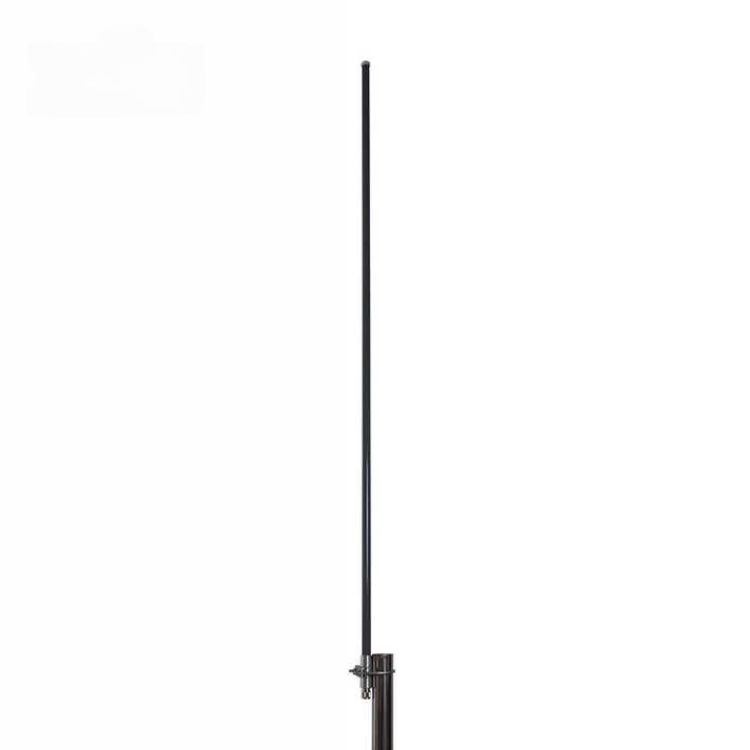
In addition to durability, fiberglass antennas are also optimized for performance. A trusted fiberglass antenna supplier will offer products with low VSWR, stable frequency performance, and strong anti-interference capability. These features are essential for outdoor gateways that operate continuously and require minimal maintenance. Many businesses source from a certified fiberglass antenna factory to ensure quality consistency and customization options, including frequency bands, connector types, and mounting solutions.
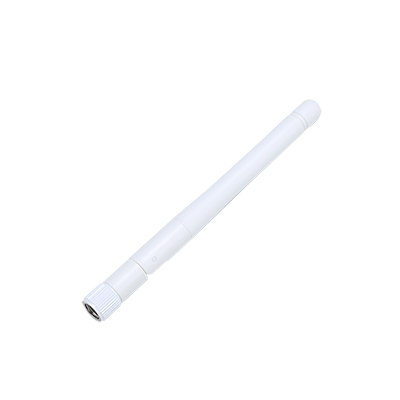
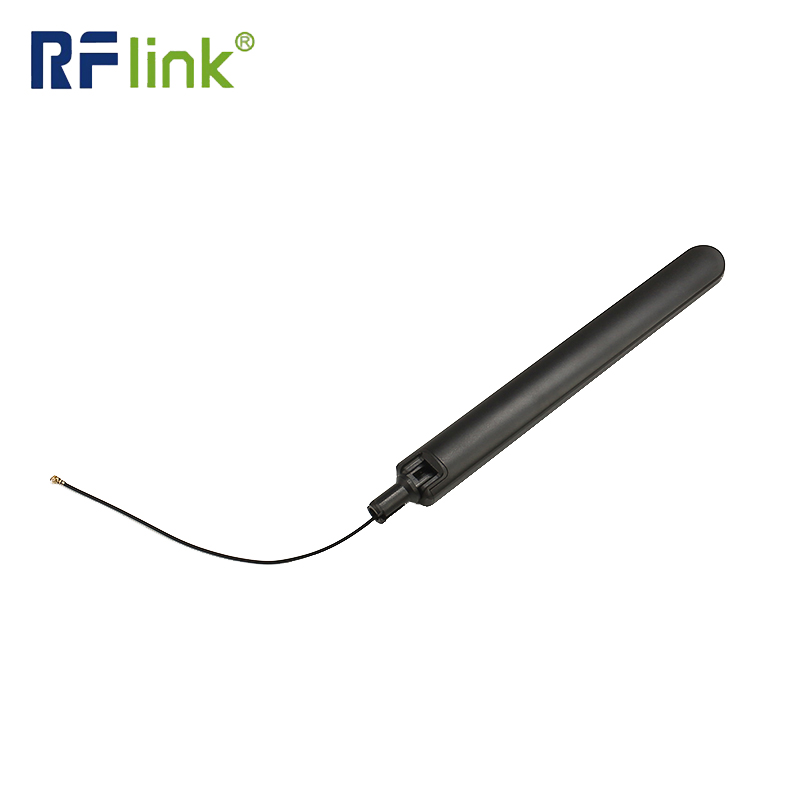
On the other hand, rubber duck antennas are compact, flexible, and cost-effective. They are commonly used in indoor or semi-outdoor environments where space is limited and exposure to harsh conditions is minimal. While they are easy to install and portable, their gain is typically lower, which limits transmission distance and overall signal strength. For temporary setups or short-range communication, rubber duck antennas can be sufficient, but they may struggle in large-scale outdoor deployments.
For businesses planning large projects, sourcing wholesale fiberglass antennas can be a cost-effective strategy while maintaining high performance standards. Bulk purchasing not only reduces unit costs but also ensures uniformity across multiple gateway installations.
In conclusion, fiberglass antennas outperform rubber duck antennas in outdoor environments due to their durability, higher gain, and long-range capabilities. Rubber duck antennas remain a practical option for smaller or indoor applications. Choosing the right antenna ultimately depends on your deployment environment and communication requirements, but for most outdoor gateways, fiberglass antennas are the superior solution.



Address: No.1 Sankeng Qinghutou Tangxia Dongguan Guangdong China TaiWan office: 558-2 ZhongHua,Zhubei,Xinzhu,Taiwan
Copyright © 2026 Dongguan RenFeng Electronic Technology Co.,Ltd All rights reserved.