





News
- Home
- Service
- Product Center
- Application
- About Us
- Videos
- News
- Contact Us

2026-04-18 12:00:35
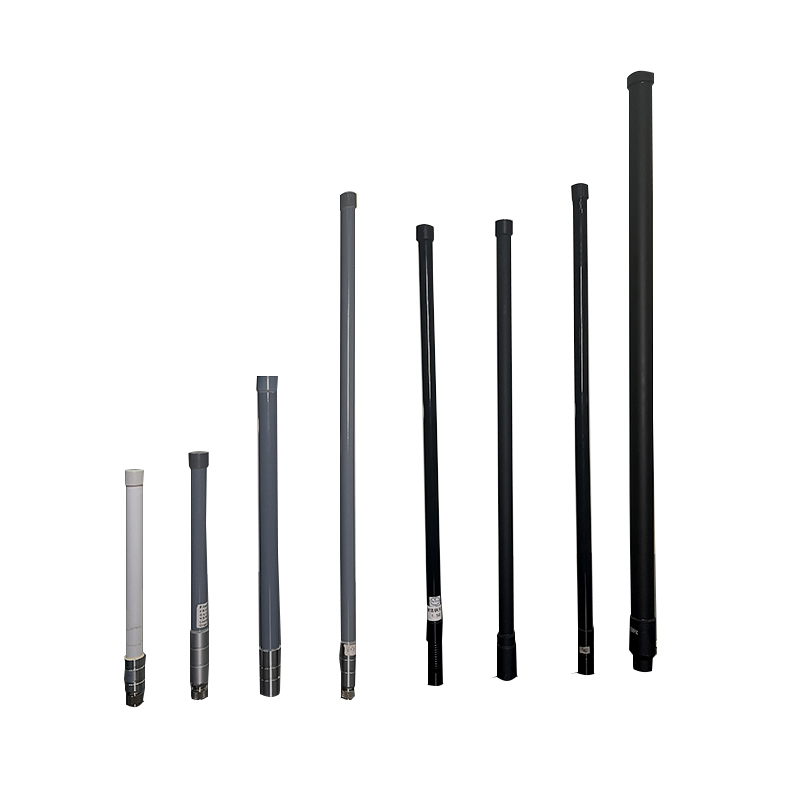
In modern wireless communication systems,selecting the right antenna frequency is essential for achieving stable signal transmission and reliable performance.Many buyers often ask what frequencies Fiberglass antennas support and how to choose the right option for their specific applications.Whether you are working with a fiberglass antenna manufacturer or sourcing from a Fiberglass Antenna supplier,understanding frequency compatibility is a key step in making the right purchasing decision.
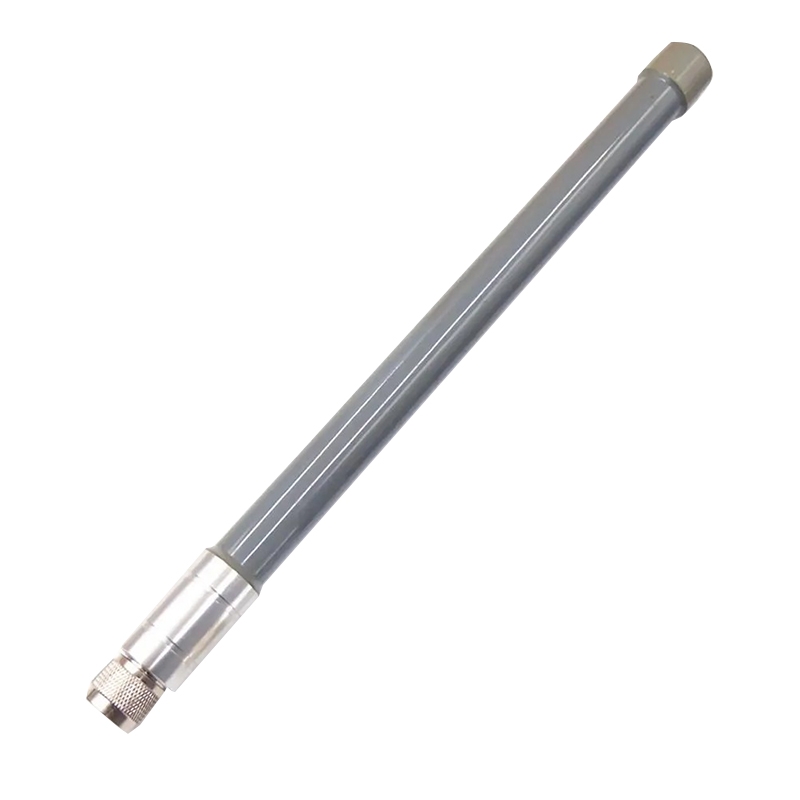
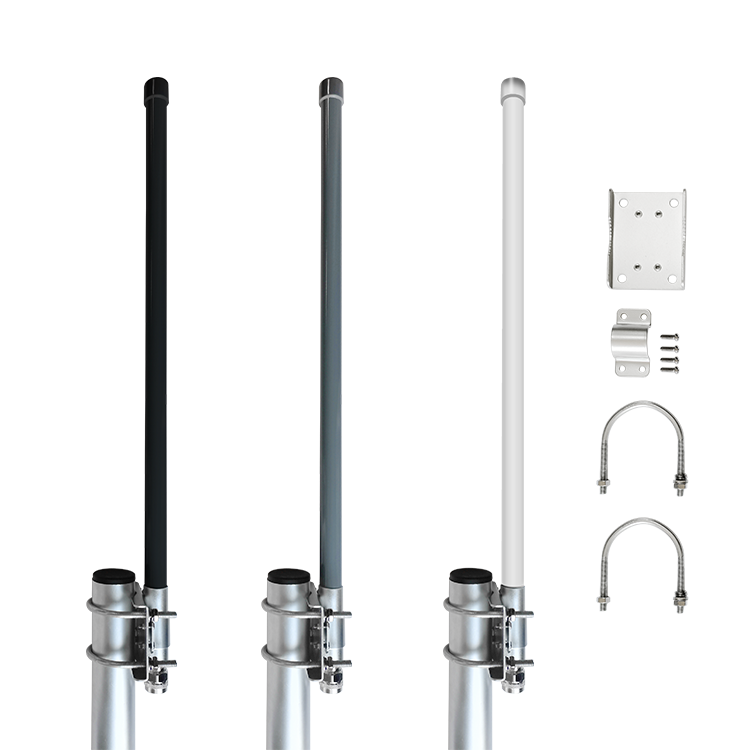
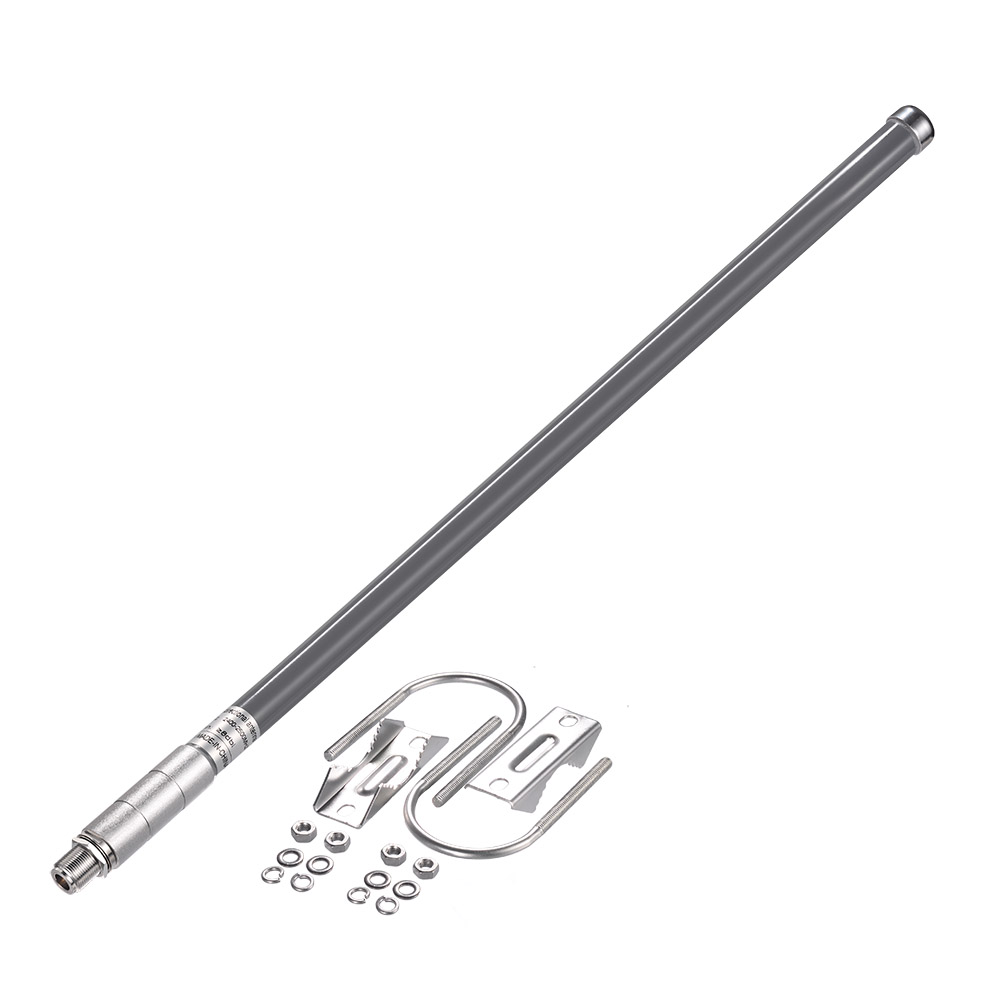
Fiberglass antennas are widely known for their durability,corrosion resistance,and excellent performance in outdoor environments.One of their biggest advantages is their ability to support a wide range of frequencies,making them suitable for various industries such as telecommunications,marine communication,transportation,and industrial IoT systems.
Common Frequency Ranges of Fiberglass Antennas
Fiberglass antennas are not limited to a single frequency band.Instead,they can be designed to operate across multiple ranges depending on their structure and intended use.
The most common frequency ranges include VHF,which spans from 30 MHz to 300 MHz.This range is often used in marine communication,public safety systems,and radio broadcasting due to its strong signal penetration and long-distance transmission capabilities.
Another widely used range is UHF,covering 300 MHz to 3 GHz.UHF fiberglass antennas are commonly used in mobile communication,wireless networks,and industrial systems because they support higher data transmission rates and perform well in urban environments.
In addition,some advanced applications require higher frequencies above 3 GHz.In these cases,a professional fiberglass antenna factory can design specialized antennas tailored to meet specific technical requirements.
How Frequency Impacts Performance
Frequency plays a critical role in determining antenna performance.Lower frequencies typically offer longer transmission distances and better ability to penetrate obstacles such as buildings and terrain.This makes them ideal for outdoor and long-range communication.
Higher frequencies,on the other hand,provide faster data transmission and are better suited for environments where network density is high.For businesses sourcing wholesale fiberglass antennas,understanding this difference is crucial for selecting the right product.
For example,a logistics company may prioritize long-range coverage,while a smart city project may require high-speed data communication.In both cases,working with an experienced fiberglass antenna supplier ensures that the chosen antenna matches the operational needs.
Industry Applications Based on Frequency
Different industries rely on different frequency ranges,and fiberglass antennas can be adapted accordingly.
In marine communication,vhf fiberglass antennas are commonly used because they provide stable and reliable long-distance communication over water.For telecommunications infrastructure,UHF and higher frequency antennas are often preferred due to their ability to handle large volumes of data.
Industrial IoT systems may use a variety of frequency bands depending on device connectivity requirements.Similarly,transportation and railway systems require antennas that combine durability with consistent signal performance across specific frequencies.
A trusted fiberglass antenna manufacturer can help analyze your application and recommend the most suitable frequency solution.
Custom Fiberglass Antenna Solutions
One of the key benefits of fiberglass antennas is their flexibility in customization.A custom fiberglass antenna can be engineered to operate at precise frequencies,ensuring optimal performance in specialized applications.
Customization options typically include frequency tuning,antenna gain adjustment,connector types,cable configurations,and overall antenna size.These features allow businesses to create antennas that perfectly match their communication systems.
For companies with unique requirements,partnering with a fiberglass antenna factory that offers OEM and ODM services is often the best approach.This ensures that the final product meets both technical specifications and branding needs.
Choosing the Right Supplier
Selecting the right supplier is just as important as choosing the right antenna.A reliable fiberglass antenna supplier should have experience in producing antennas across various frequency ranges and be able to provide both standard and customized solutions.
Key factors to consider include manufacturing capability,quality control processes,testing standards,and support for bulk orders.Businesses looking to source wholesale fiberglass antennas should also evaluate the supplier’s ability to deliver consistent quality over time.
By working with a professional fiberglass antenna manufacturer,buyers can reduce risks and ensure long-term performance and reliability.
Conclusion
Fiberglass antennas support a wide range of frequencies,from VHF and UHF to higher bands used in advanced communication systems.The exact frequency depends on the antenna design and application requirements.
Understanding these frequency ranges is essential for choosing the right antenna and optimizing communication performance.Whether you need standard products or a fully custom fiberglass antenna,partnering with an experienced fiberglass antenna supplier will help you achieve the best results.



Address: No.1 Sankeng Qinghutou Tangxia Dongguan Guangdong China TaiWan office: 558-2 ZhongHua,Zhubei,Xinzhu,Taiwan
Copyright © 2026 Dongguan RenFeng Electronic Technology Co.,Ltd All rights reserved.