





News
- Home
- Service
- Product Center
- Application
- About Us
- Videos
- News
- Contact Us

2026-04-25 11:56:44
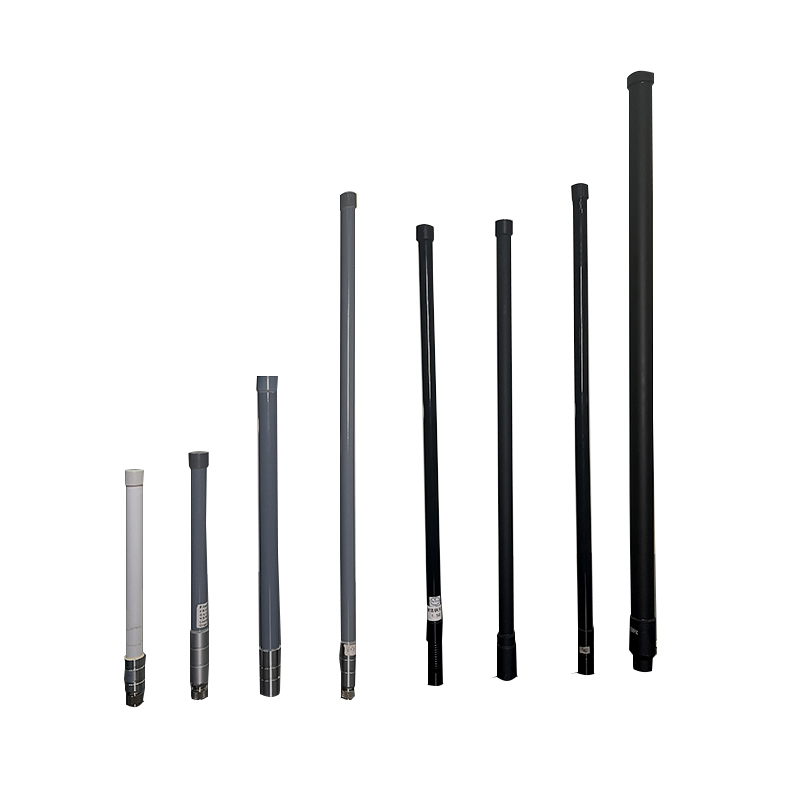
When selecting an outdoor communication solution,durability is often one of the first concerns for B2B buyers.A common question raised during sourcing is whether a Fiberglass antenna can truly withstand long-term exposure to harsh environmental conditions such as rain,humidity,and intense sunlight.The short answer is yes—but the performance depends heavily on design quality,materials,and manufacturing standards.
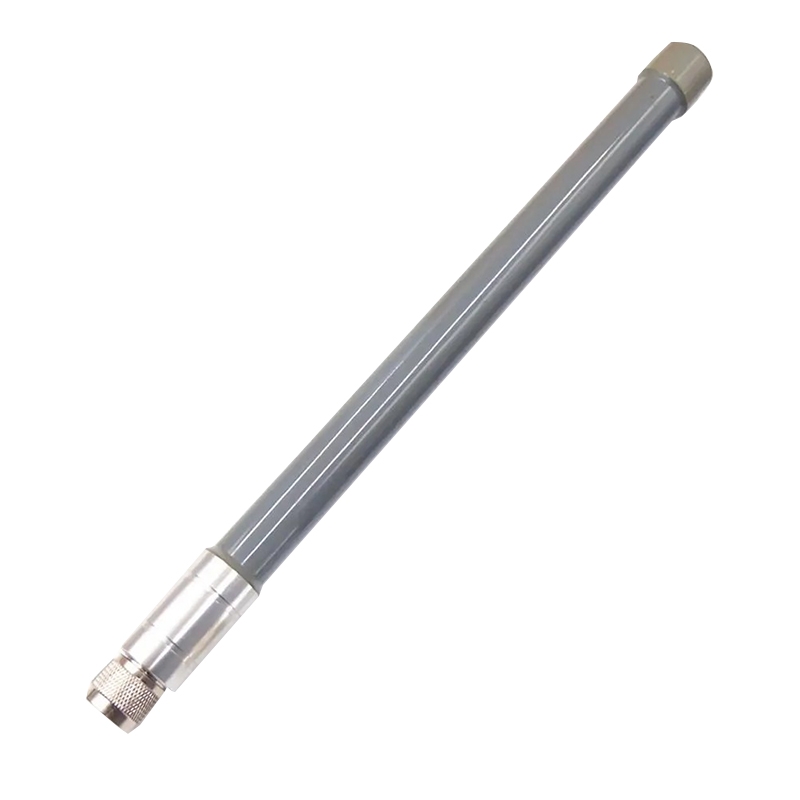
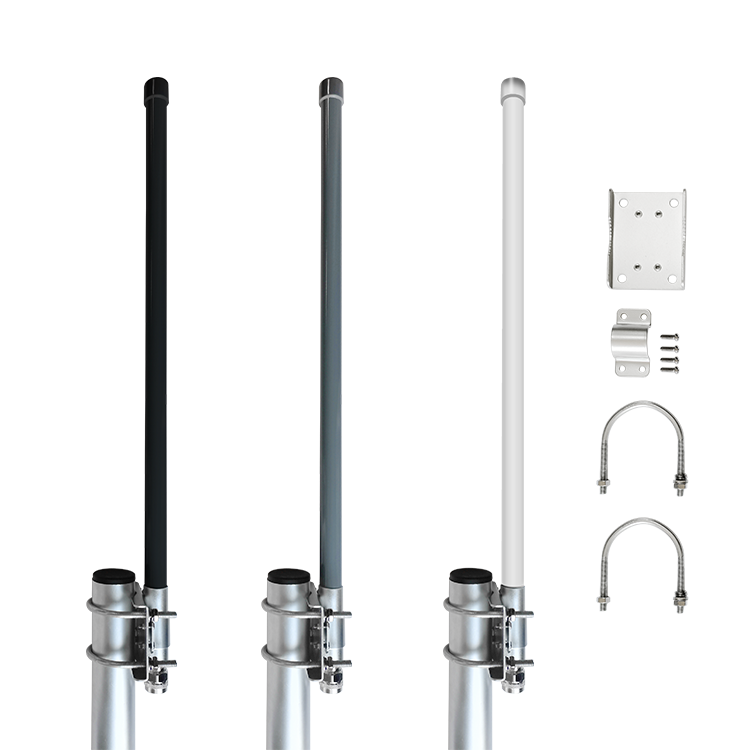
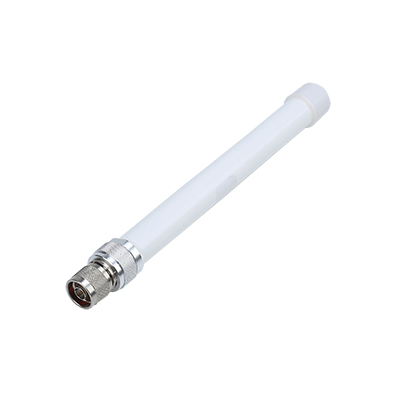
A well-engineered fiberglass antenna is inherently designed for outdoor use.The outer radome is typically made from high-strength fiberglass-reinforced plastic,which provides excellent sealing performance against water ingress.Unlike exposed metal antennas,a properly sealed Fiberglass Antenna prevents moisture from penetrating internal components,ensuring stable signal transmission even in heavy rain or high-humidity environments.This makes it a reliable choice for applications such as marine communication,base stations,and remote monitoring systems.
Waterproof performance is usually achieved through multiple layers of protection.First,the fiberglass shell itself acts as a non-conductive and corrosion-resistant barrier.Second,high-quality sealing techniques—such as adhesive bonding and gasket sealing—are applied at connection points.Professional buyers often look for products tested to IP65 or higher standards,which indicates strong resistance against water jets and dust.A reputable fiberglass antenna manufacturer will clearly provide these test reports and specifications as part of their product documentation.
In addition to waterproofing,UV resistance is another critical factor for long-term outdoor deployment.Continuous exposure to ultraviolet radiation can degrade many materials,causing cracking,discoloration,or reduced structural strength.However,fiberglass antennas designed for industrial use are typically coated with UV-stabilized resins or protective gel layers.These coatings significantly slow down aging and help maintain both mechanical integrity and RF performance over time.
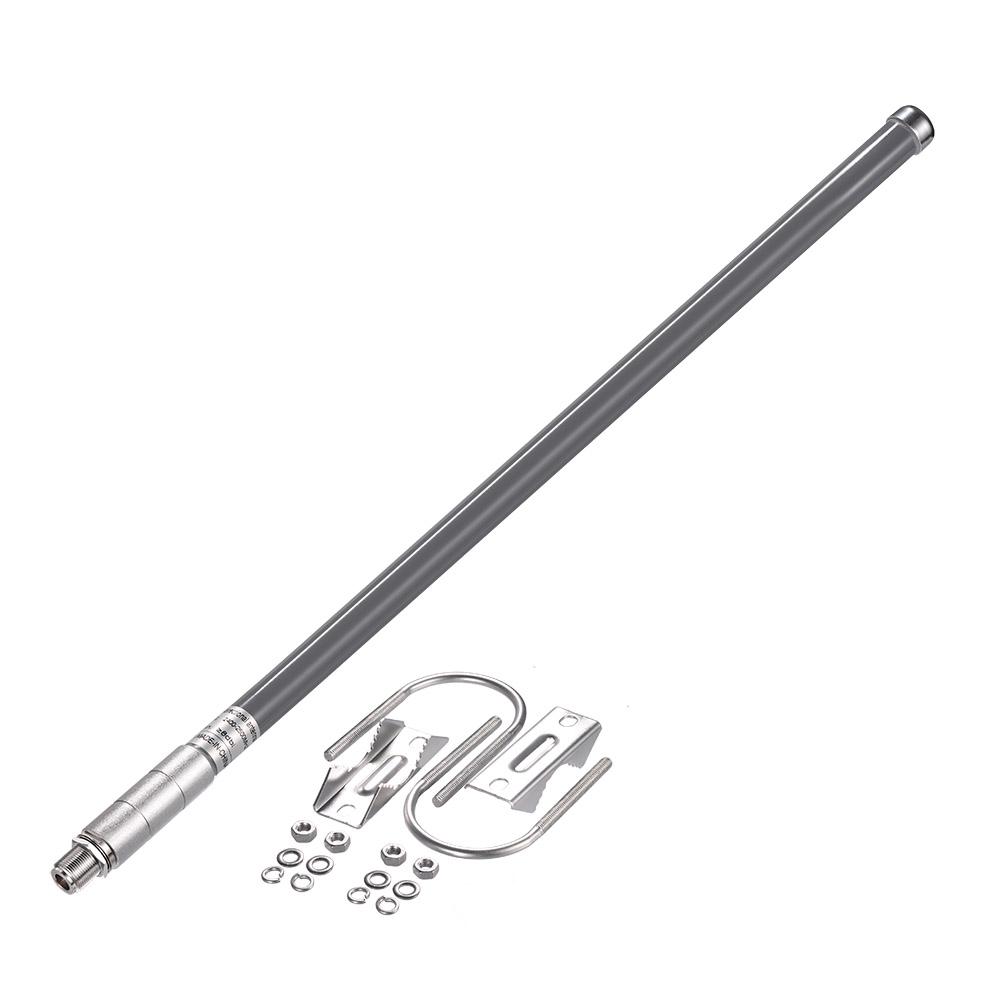
From a sourcing perspective,not all products on the market offer the same level of protection.Working with a professional fiberglass antenna supplier or directly with a fiberglass antenna factory can help ensure consistent quality.Manufacturers with mature production processes often use advanced resin systems and conduct accelerated aging tests to simulate years of outdoor exposure.This is especially important for projects in regions with strong sunlight or extreme climates.
Customization also plays a role in durability.Many buyers prefer OEM fiberglass antenna solutions tailored to their specific operating environment.For example,additional UV-resistant coatings,reinforced structures,or enhanced sealing designs can be incorporated based on project requirements.An experienced ODM antenna manufacturer can assist in optimizing both the antenna structure and material selection to achieve better environmental resistance without compromising signal performance.
Another factor worth considering is maintenance and lifecycle cost.A high-quality fiberglass antenna typically requires minimal maintenance due to its corrosion-resistant properties.Unlike metal antennas that may require regular anti-rust treatment,fiberglass structures maintain their integrity over time,reducing operational costs for large-scale deployments.
In conclusion,a fiberglass antenna is both waterproof and UV resistant when manufactured to proper industrial standards.For B2B buyers,the key is not just the material itself but the overall engineering quality behind the product.Choosing a reliable fiberglass antenna manufacturer or supplier,verifying certifications,and considering OEM or ODM customization options will ensure long-term performance in demanding outdoor environments.



Address: No.1 Sankeng Qinghutou Tangxia Dongguan Guangdong China TaiWan office: 558-2 ZhongHua,Zhubei,Xinzhu,Taiwan
Copyright © 2026 Dongguan RenFeng Electronic Technology Co.,Ltd All rights reserved.