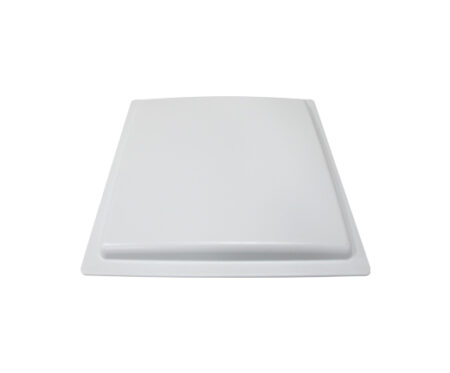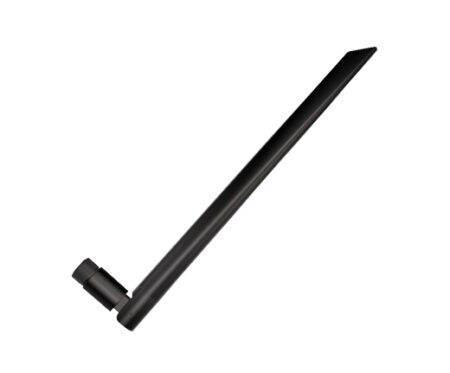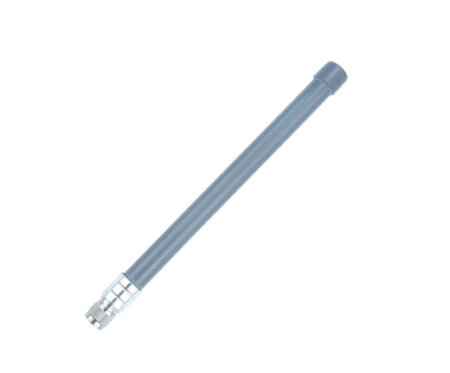

Custom antenna solutions help wireless device developers match antenna structures, frequency bands, and RF performance to specific product requirements. Renfeng, established in 2012, develops PCB embedded antennas, flexible whip antennas, rubber duck antennas, and other customized designs, with RF engineers averaging over 10 years of industry experience.
What Are Custom Antenna Solutions?
Custom antenna solutions are antenna designs adapted to the electrical, mechanical, and installation requirements of specific wireless devices. They help equipment developers address differences in operating frequency, enclosure size, connection interfaces, and communication performance. An antenna is defined as a component that transmits and receives electromagnetic waves between a wireless device and its communication environment. Its performance depends on its electrical structure and how it interacts with the surrounding device.
Unlike a standard antenna selected from an existing product catalog, a customized design considers the complete application. Engineers may adjust the antenna structure, dimensions, cable configuration, connector, and operating frequency according to the device requirements.
Common antenna types include:
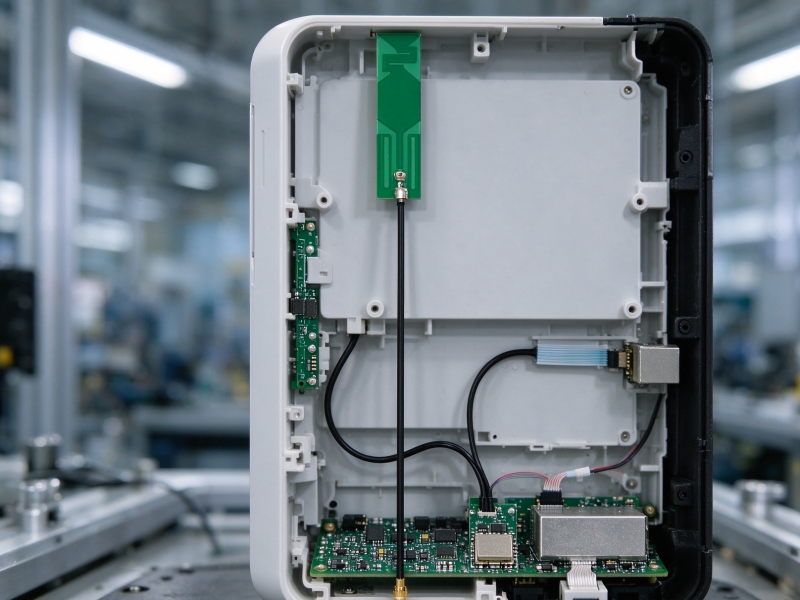
- PCB embedded antennas: Rigid antenna structures designed for installation on or within electronic assemblies.
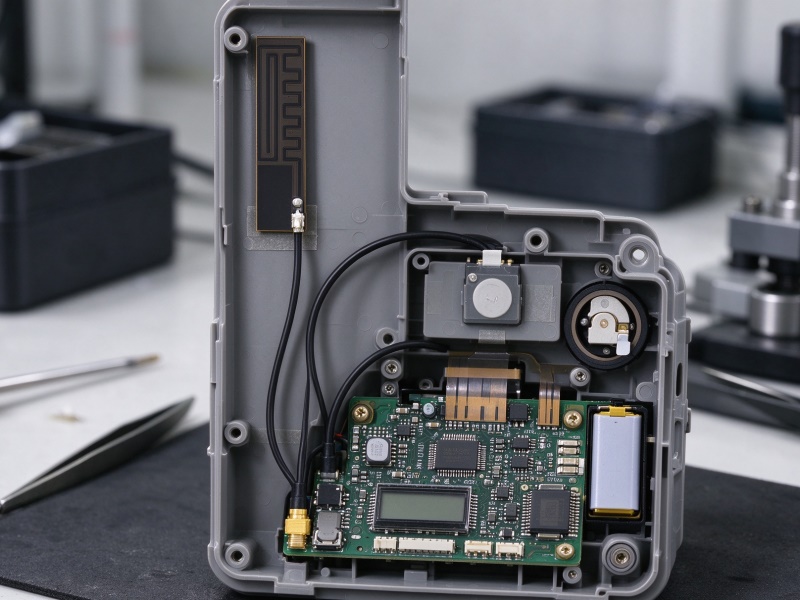
- Flexible antennas: FPC-based structures that can fit selected curved or narrow internal spaces.
- Flexible whip antennas: External or internally positioned flexible antenna structures, depending on their design.
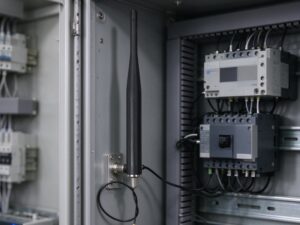
- Rubber duck antennas: Compact antennas with protective outer housings, commonly used in wireless terminals and communication equipment.
How Do Custom Antennas Work in Different Wireless Devices?
Custom antennas convert electrical RF signals into electromagnetic waves during transmission and convert received electromagnetic energy into electrical signals during reception.
The antenna connects to a wireless module through an RF feed point, cable, or connector. Its conductive structure determines how it operates across the intended frequency range. Meanwhile, the PCB ground plane, enclosure, battery, metal components, and antenna position can affect impedance matching and radiation characteristics.
For this reason, engineers evaluate more than the antenna element itself. They also consider:
- Operating frequency and bandwidth.
- Antenna gain and radiation pattern.
- Available installation space and ground clearance.
- RF cable length and connector compatibility.
- Enclosure materials and nearby electronic components.
These factors determine whether an antenna can meet the requirements of the complete wireless device.
Which Antenna Types Suit Different Wireless Applications?
Different antenna structures suit different installation conditions, device sizes, and communication requirements.
| Antenna type | Structural characteristics | Typical applications | Main consideration |
|---|---|---|---|
| PCB embedded antenna | Rigid printed circuit structure | IoT terminals, wireless modules, smart devices | PCB layout and ground clearance |
| FPC antenna | Flexible printed circuit element | Compact terminals, smart meters, internal wireless devices | Bending limits and placement |
| Flexible whip antenna | Flexible elongated structure | Wireless terminals and communication equipment | Installation position and mechanical support |
| Rubber duck antenna | Compact antenna with protective housing | Routers, gateways, and wireless equipment | Connector compatibility and external clearance |
The main advantages include more suitable mechanical integration, application-specific frequency coverage, and greater flexibility in selecting antenna structures and connection configurations.
Compared with traditional solutions that rely only on standard catalog products, customized development allows engineers to address specific enclosure restrictions and RF requirements. However, customization does not automatically guarantee better performance. Each design still requires testing in its intended device environment.
How Should You Choose a Custom Antenna Design?
A provider of custom antenna solutions should evaluate the device’s communication requirements, mechanical structure, and expected operating environment before recommending an antenna configuration.
The following steps help equipment developers assess a suitable design:
- Identify frequency requirements: Confirm the operating bands and regional communication standards supported by the wireless module.
- Evaluate installation space: Provide enclosure dimensions, PCB drawings, and available antenna placement areas.
- Select the antenna structure: Compare PCB, FPC, whip, and rubber duck configurations according to mechanical and electrical requirements.
- Confirm RF connections: Check connector types, cable specifications, and feed-point compatibility.
- Define performance targets: Establish the required gain, bandwidth, impedance, and radiation characteristics.
- Validate the prototype: Test the antenna inside the actual device before approving mass production.
Useful RF measurements include return loss, VSWR, impedance, S-parameters, radiation pattern, and antenna efficiency. Engineers can use a vector network analyzer to evaluate impedance and S11 characteristics. They can also conduct radiation and efficiency measurements in an appropriate antenna test environment.
Acceptance limits should follow the product’s technical requirements and applicable regional standards. Testing should use the final enclosure whenever possible because surrounding materials and components can change antenna behavior.
How Does the Antenna Development Process Work?
Antenna development typically moves through requirement analysis, concept design, RF evaluation, prototype validation, and production preparation.
A structured development process helps identify integration issues before large-scale manufacturing begins.
| Development stage | Main activities | Expected output |
|---|---|---|
| Requirement analysis | Review frequency, device structure, and application | Technical requirements |
| Concept development | Select antenna type and preliminary structure | Initial design proposal |
| RF design | Evaluate electrical characteristics and matching | RF design configuration |
| Sample production | Manufacture prototype antennas | Engineering samples |
| Validation | Conduct RF and mechanical testing | Test results and design adjustments |
| Batch production | Confirm specifications and production requirements | Production-ready antenna |
During antenna customization, communication between the antenna engineering team and the device developer is important. Providing module specifications, enclosure drawings, and installation constraints early can reduce unnecessary design changes.
What Factors Affect Custom Antenna Development Costs?
Antenna development costs depend on design complexity, material requirements, prototype iterations, testing scope, and production quantity.
Common cost factors include:
- Design complexity: Multi-band requirements or unusual antenna structures may require additional RF engineering.
- Mechanical adaptation: Special dimensions, cable routing, or connector configurations can affect development work.
- Prototype iterations: Multiple design and testing rounds increase project time and sample costs.
- Validation requirements: Specialized RF measurements and regulatory testing may add expenses.
- Production volume: Prototype orders and batch manufacturing have different unit-cost structures.
Clear technical requirements help define the development scope and make project costs easier to evaluate.
How Does Renfeng Support Customized Antenna Projects?
Renfeng is a manufacturer focused on intelligent communication terminal antennas and customized antenna development. Established in 2012, the company supports wireless communication and IoT projects through product concept development, RF design, sample production, batch manufacturing, and delivery. Its RF engineers have an average of more than 10 years of industry experience. The company works with several antenna structures, including PCB embedded antennas, flexible whip antennas, and rubber duck antennas. These product types address different installation environments and wireless device requirements.
Renfeng’s engineering support covers frequency selection, antenna structure evaluation, RF connection configuration, and integration adaptation. Its product development work serves wireless communication equipment manufacturers, IoT device developers, and other businesses producing connected electronic equipment. For projects requiring regulatory compliance, customers should identify the applicable radio frequency and product safety requirements in their target markets. Relevant standards may vary by country, device category, and wireless technology. Customers should request applicable test reports or certification documentation before making compliance claims. No specific factory capacity figures or product certification details have been provided here.
Frequently Asked Questions
What Are Custom Antenna Solutions Used For?
They are used to adapt antenna structures and RF characteristics to specific wireless devices. Common applications include IoT terminals, smart meters, wireless modules, gateways, and industrial communication equipment.
How to Choose the Right Antenna for a Wireless Device?
Start by checking the required frequency bands, available installation space, antenna connection, and RF performance targets. Then compare suitable antenna structures and validate the selected design inside the final device enclosure.
Why Does a Wireless Device Need Antenna Customization?
Different devices have different enclosure dimensions, PCB layouts, communication bands, and installation conditions. Antenna customization helps address these differences and supports more suitable RF and mechanical integration.
What Sources and Expertise Support This Article?
This article is based on the supplied Renfeng company information and general RF antenna engineering principles. Company details include its establishment in 2012, RF engineering experience, antenna product categories, and development support. Product performance and regulatory compliance should be confirmed through project-specific specifications and test documentation.
When Was This Article Last Updated?
November 11, 2026