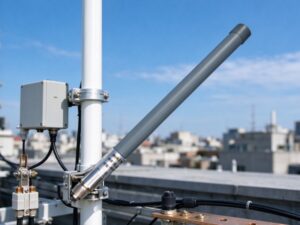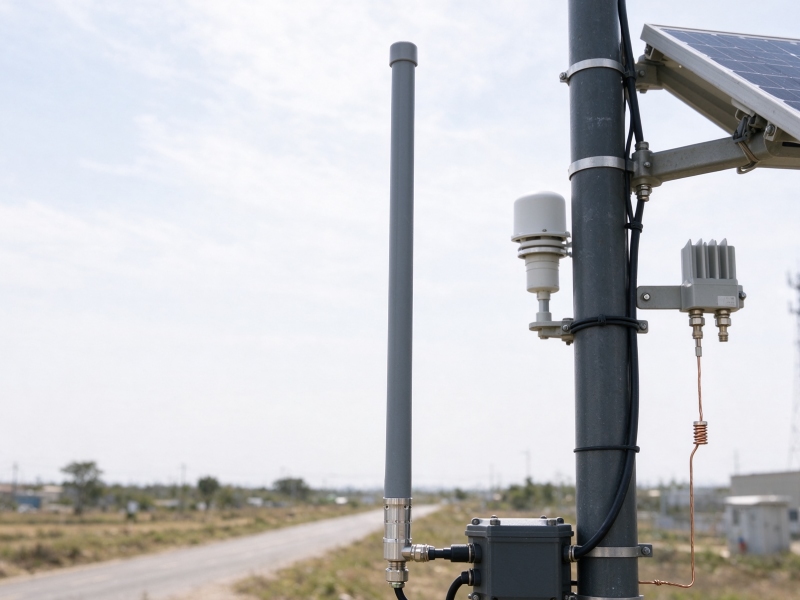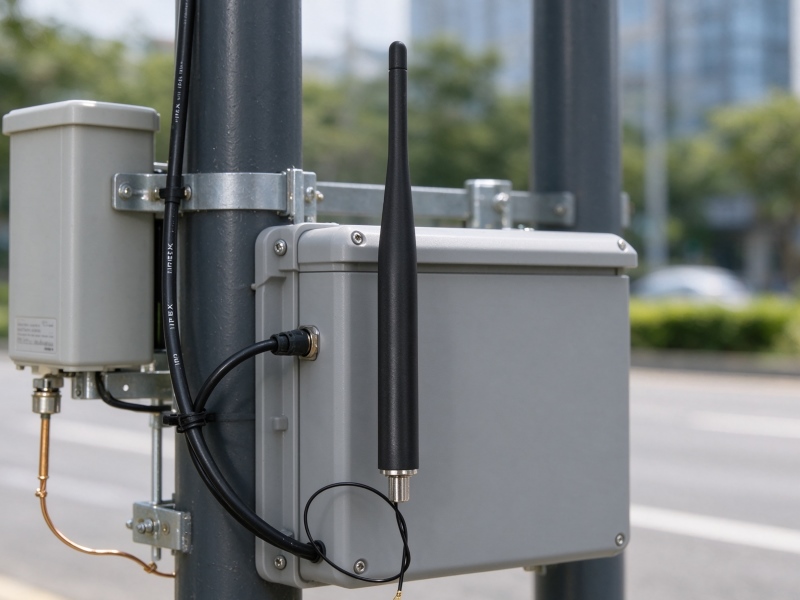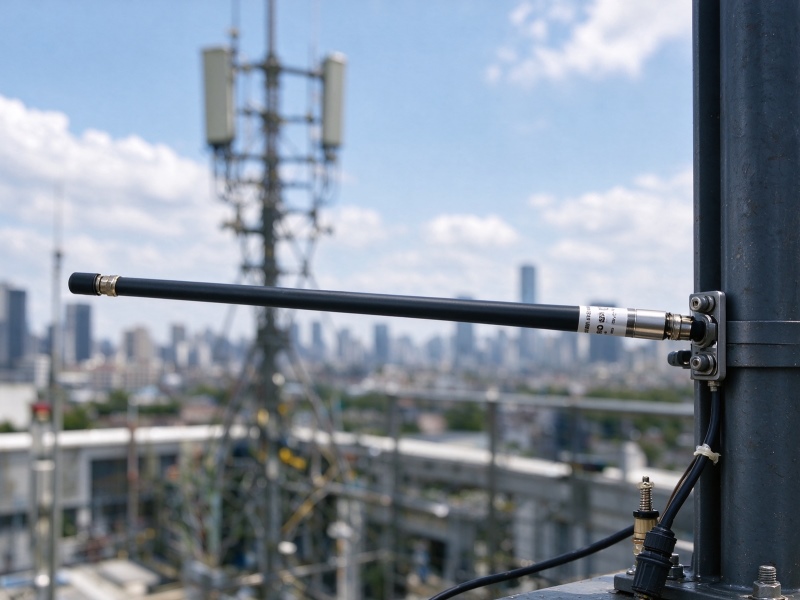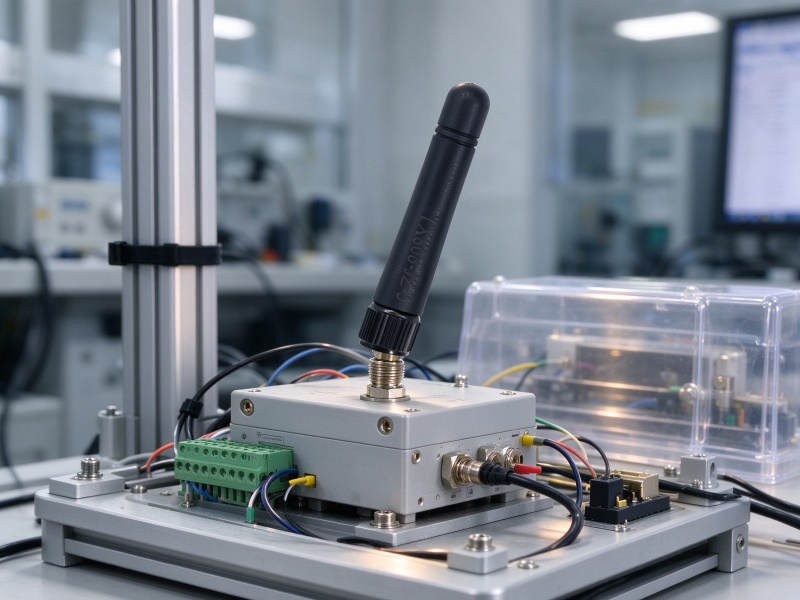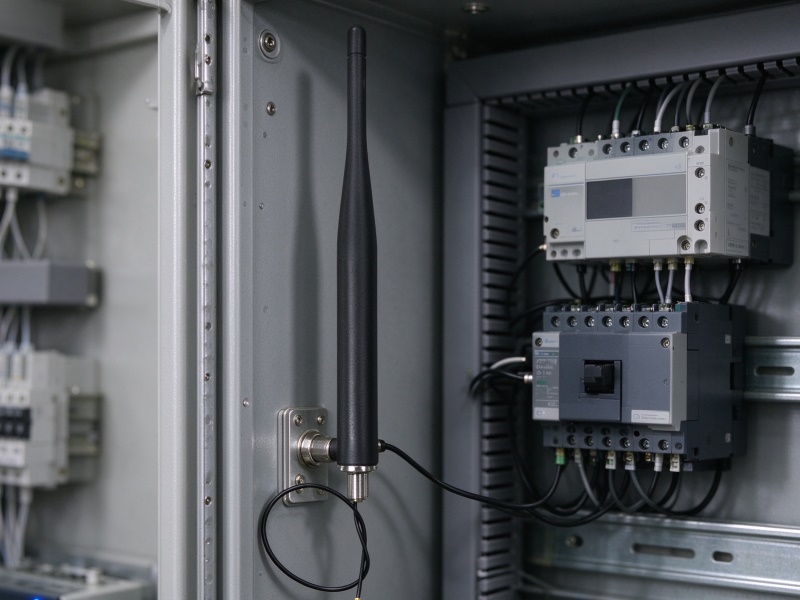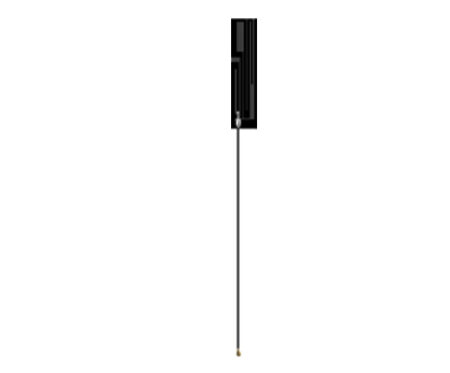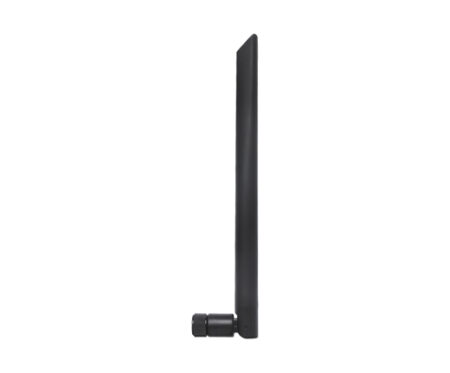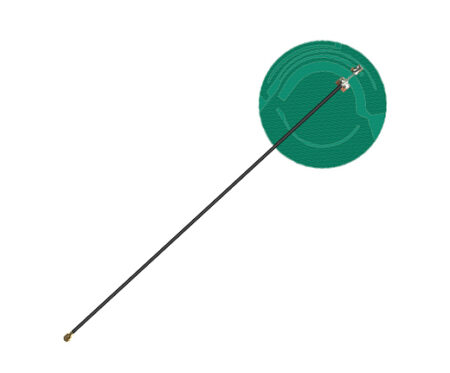
Renfeng’s 868MHz 3dBi Flexible Whip Antenna with SMA Male Connector is designed for compact LoRa devices that require an external wireless connection. Its flexible whip structure supports practical device integration, while the 868MHz operating frequency, 3dBi gain, and SMA Male interface define its primary application requirements.
What Is a Flexible Whip Antenna?
A flexible whip antenna is an external antenna with a flexible radiating structure that can accommodate different device installation conditions.
More specifically, flexible whip antenna design is defined as the engineering process of configuring an antenna’s radiating element, mechanical structure, and RF connection to meet the requirements of a wireless device.
Unlike rigid antenna structures, flexible whip configurations can accommodate certain positioning and handling requirements. As a result, they are often considered for portable communication equipment, handheld terminals, and compact IoT devices.
Renfeng’s 868MHz 3dBi Flexible Whip Antenna with SMA Male Connector is intended for compatible LoRa devices that require an external antenna operating around the 868MHz band.
How Does a Flexible Whip Antenna Improve Wireless Connectivity?
A flexible whip antenna supports wireless connectivity by converting RF electrical signals into electromagnetic waves during transmission and receiving incoming radio signals. During transmission, the device’s RF module sends a signal through the SMA connection to the antenna. The radiating element then converts the electrical energy into radio waves. During reception, the antenna captures incoming signals and transfers them back to the RF module.
However, flexibility alone does not guarantee better RF performance. Actual connectivity also depends on frequency matching, antenna placement, ground structure, surrounding materials, and the device’s RF characteristics. Therefore, engineers should evaluate both mechanical flexibility and electrical performance during product development.
What Are the Main Specifications of the Renfeng 868MHz Antenna?
The Renfeng model combines an 868MHz operating configuration, 3dBi gain, a flexible whip structure, and an SMA Male connector.
| Parameter | Specification |
|---|---|
| Product name | 868MHz 3dBi Flexible Whip Antenna |
| Antenna type | Flexible whip antenna |
| Operating frequency | 868MHz |
| Gain | 3dBi |
| Connector | SMA Male |
| Application | Compatible LoRa devices and wireless terminals |
The main advantages include a flexible antenna structure, an external SMA connection, and a 3dBi gain rating for compatible wireless applications. Nevertheless, gain alone cannot determine communication distance. Transmitter power, receiver sensitivity, antenna orientation, installation height, and environmental interference also influence wireless performance.
In addition, the exact frequency range, antenna length, bending limits, cable configuration, impedance, and VSWR should be confirmed through the product datasheet. These details are important when engineers evaluate mechanical clearance and RF compatibility.
Where Can Flexible Whip Antennas Be Used?
Flexible whip antennas can be used in wireless devices that require external antenna connectivity and adaptable installation positions.
Typical applications include:
- Handheld LoRa devices: Supporting wireless communication in portable monitoring equipment.
- IoT terminals: Providing external antenna connections for compact wireless products.
- Industrial sensors: Supporting compatible sensor devices used in monitoring and data collection.
- Remote monitoring equipment: Connecting wireless terminals to distributed communication networks.
- Portable communication devices: Accommodating antenna placement where rigid structures may be less practical.
For 868MHz applications, engineers should also confirm the permitted frequency range and transmission requirements in the target market. Regional radio regulations may differ, so frequency compatibility must be checked before deployment.
How Should Engineers Choose a Flexible Whip Antenna?
Engineers should evaluate operating frequency, gain, connector compatibility, mechanical flexibility, installation space, and RF test results before selecting an antenna.
The following factors help guide the selection process:
- Frequency range: Confirm that the antenna covers the device’s actual operating band rather than relying only on its nominal frequency.
- Gain requirement: Determine whether 3dBi gain suits the intended coverage and installation environment.
- Connector type: Check whether the SMA Male connector matches the device’s RF interface.
- Mechanical dimensions: Review antenna length, available clearance, and the required installation position.
- Flexibility requirements: Confirm the permitted bending conditions and whether repeated movement forms part of normal device use.
- RF compatibility: Evaluate impedance matching and antenna performance after installation.
Furthermore, flexible whip antenna design should consider the surrounding enclosure and PCB layout. Nearby batteries, metal housings, displays, and other electronic components may influence antenna performance.
How Does a Flexible Whip Antenna Compare with Other Antenna Types?
Flexible whip, rigid whip, PCB embedded, and FPC antennas serve different mechanical and integration requirements.
| Antenna type | Structure | Typical installation | Main consideration |
|---|---|---|---|
| Flexible whip antenna | Flexible external radiating element | Handheld and portable devices | Bending conditions and clearance |
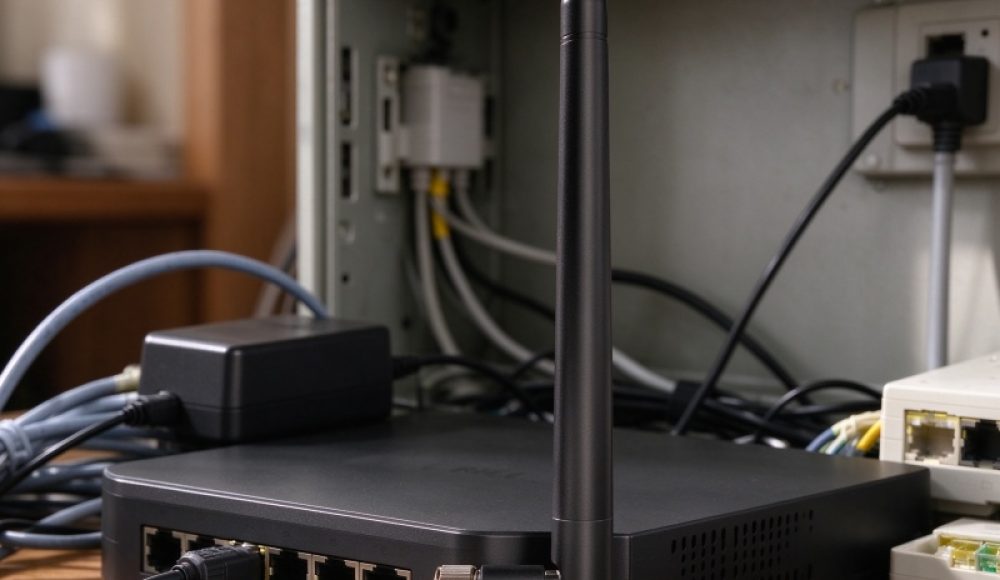
| Rigid whip antenna | Fixed external radiating element | Routers and wireless terminals | Mounting position and physical clearance |
| PCB embedded antenna | Printed antenna structure | Internal PCB installation | Ground plane and board layout |
| FPC antenna | Flexible printed circuit element | Compact internal spaces | Adhesion, bending, and placement |
Compared with traditional rigid whip antennas, flexible models can accommodate certain installation positions where a fixed structure may be inconvenient. Meanwhile, PCB and FPC antennas are useful when the device requires an internal antenna configuration.
However, internal antennas may require more careful PCB and enclosure optimization. Consequently, the choice should depend on the available space, RF requirements, and expected handling conditions.
What RF Tests Should Be Performed Before Integration?
RF testing helps verify whether an antenna operates correctly with the intended wireless device.
Recommended measurements include:
- S11 and return loss: Evaluate antenna matching across the required frequency range.
- VSWR: Check the relationship between the antenna and its RF transmission line.
- Impedance: Confirm suitable impedance behavior for the connected RF system.
- Radiation pattern: Examine how the antenna distributes RF energy.
- Antenna efficiency: Measure how effectively input power is converted into radiated energy.
- Mechanical evaluation: Check connector stability and structural behavior under the intended handling conditions.
For more reliable evaluation, engineers should perform tests in the final device configuration. In particular, the antenna should be assessed with the actual enclosure, PCB, battery, and nearby components.
No product-specific RF test results or mechanical bending standards have been supplied. Therefore, acceptance limits should be established according to the device requirements and applicable testing standards.
What Factors Affect Flexible Whip Antenna Development Costs?
Development costs depend on frequency requirements, antenna dimensions, mechanical structure, connector configuration, testing, and production quantity. For example, a project requiring a modified antenna length or a different connector may involve additional engineering and sample evaluation. Similarly, special mechanical requirements can increase development complexity.
In addition, RF testing and prototype production contribute to the overall project budget. Businesses should provide the device drawings, RF module specifications, target frequency, installation space, and expected order quantity when requesting a project assessment. This information helps engineers identify technical requirements before confirming the development and production scope.
How Does Renfeng Support Flexible Whip Antenna Projects?
Renfeng is a communication antenna company established in 2012, focusing on RF antenna design and customized antenna solutions. Its RF engineers have an average of more than 10 years of industry experience. In addition, the company supports projects from product concept development and RF design to sample development and batch production.
For projects involving flexible whip antenna design, Renfeng can evaluate device dimensions, communication frequency, connector requirements, and available installation space. As a result, equipment developers can discuss antenna configurations according to their actual product structures and RF requirements. Renfeng serves customers developing LoRa devices, portable communication terminals, industrial IoT equipment, and other wireless products. Its engineering support covers antenna adaptation and customized development for different device applications.
Regarding compliance, customers should identify the radio equipment and EMC requirements applicable to their target markets. Depending on the product and region, relevant documentation may include radio frequency test reports and electromagnetic compatibility reports. However, no specific certification details, production-line figures, or monthly manufacturing capacity have been provided. These details should be confirmed during project evaluation.
Frequently Asked Questions
What Is a Flexible Whip Antenna Used For?
A flexible whip antenna provides external RF connectivity for wireless devices that require an adaptable antenna structure. Common applications include handheld LoRa equipment, portable IoT terminals, industrial sensors, and remote monitoring devices.
How to Choose an 868MHz Antenna for a LoRa Device?
Check the supported frequency range, gain, connector type, antenna dimensions, and installation requirements. In addition, verify RF matching and performance in the final device enclosure before confirming the antenna configuration.
Why Does Antenna Placement Affect LoRa Device Connectivity?
Antenna placement affects how RF signals interact with the device enclosure, PCB, battery, and surrounding objects. For example, nearby metal components may change antenna matching and radiation characteristics. Therefore, engineers should test the antenna in its actual installation position.
Source & Expertise
This article is based on the supplied Renfeng company profile and product specifications, together with general RF antenna engineering principles. The technical discussion covers flexible whip structures, RF connections, antenna integration, and recommended validation procedures.
Product-specific performance should be confirmed through manufacturer documentation and testing in the intended device configuration.
Last Updated
November 11, 2026