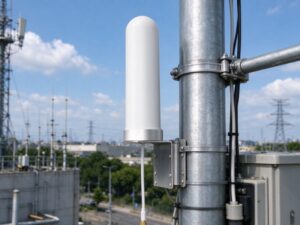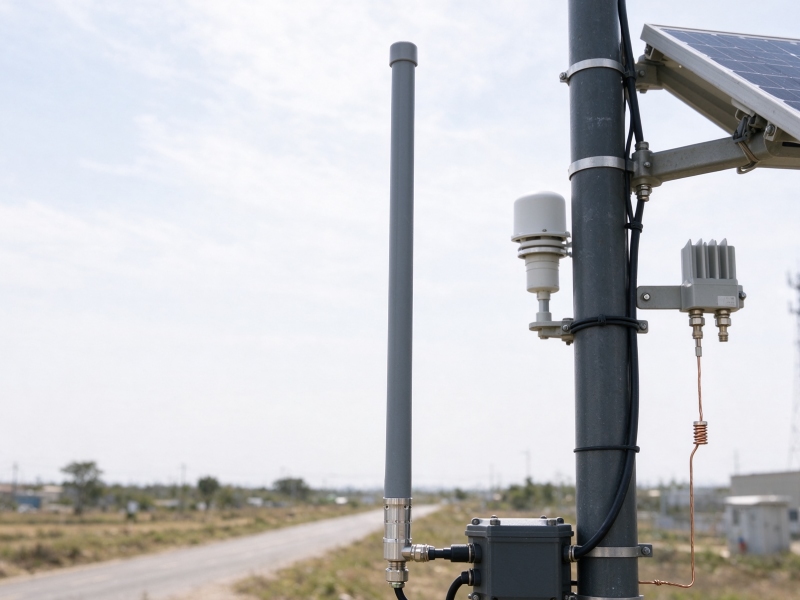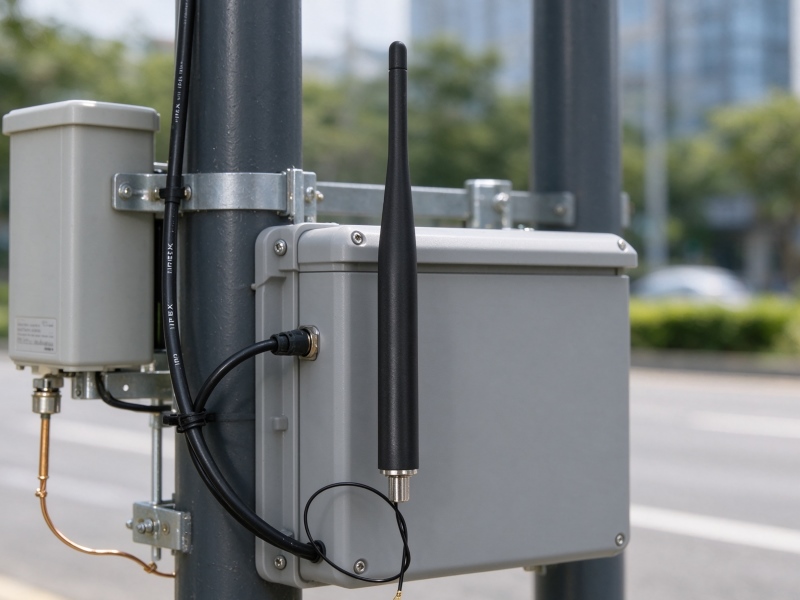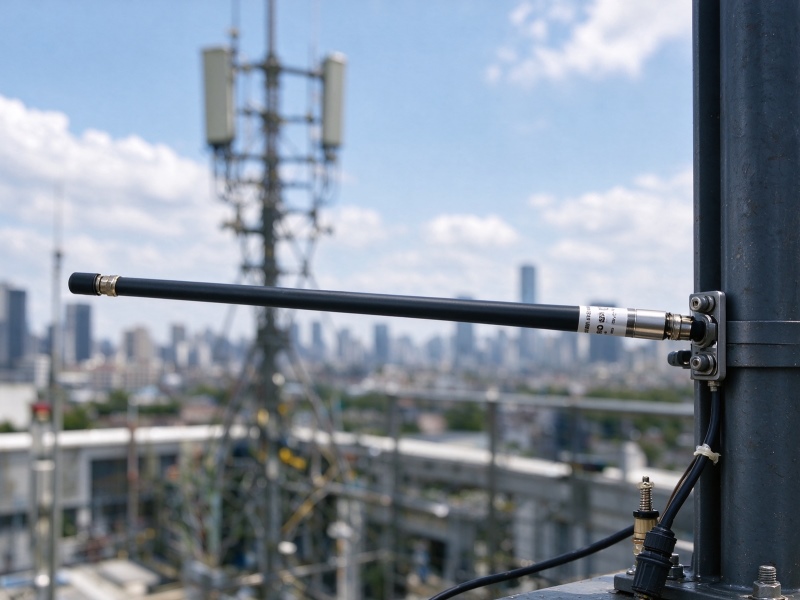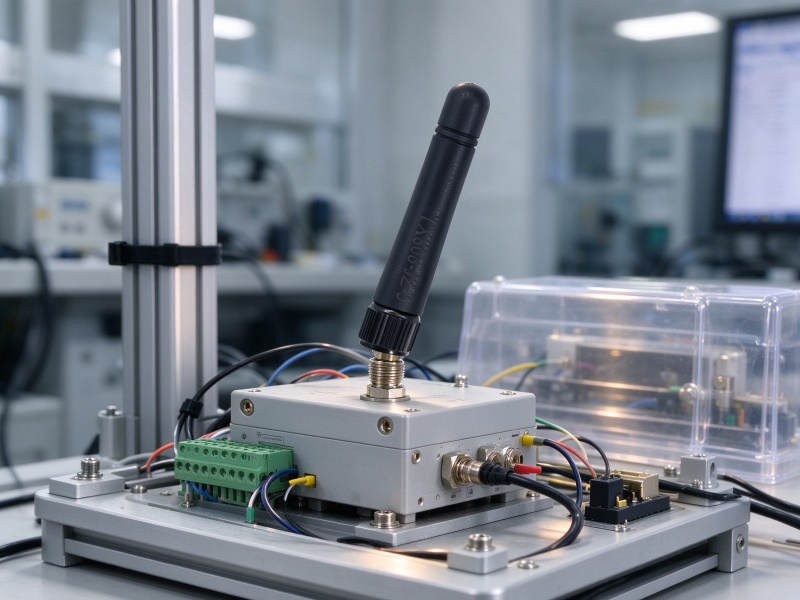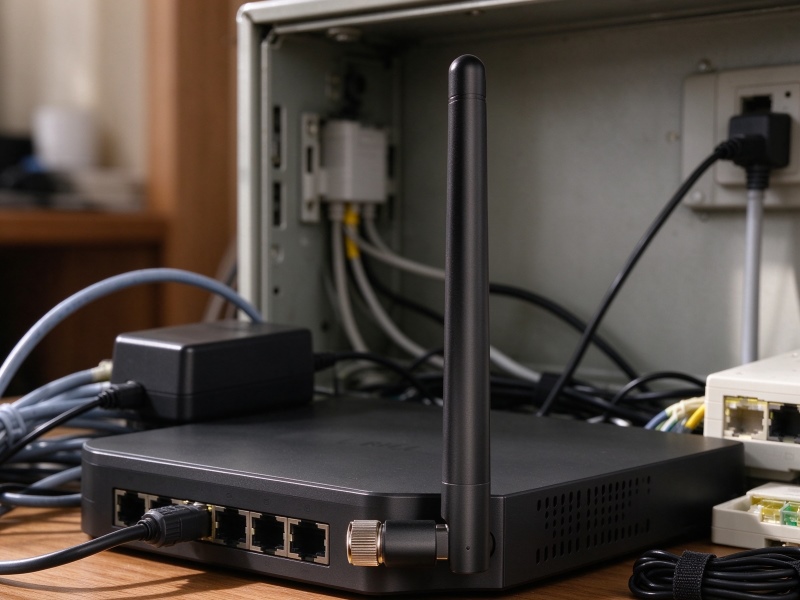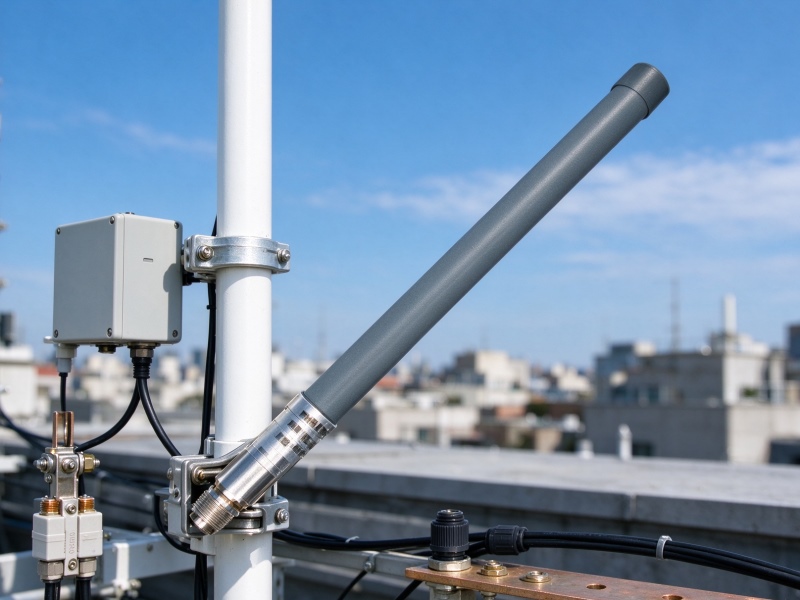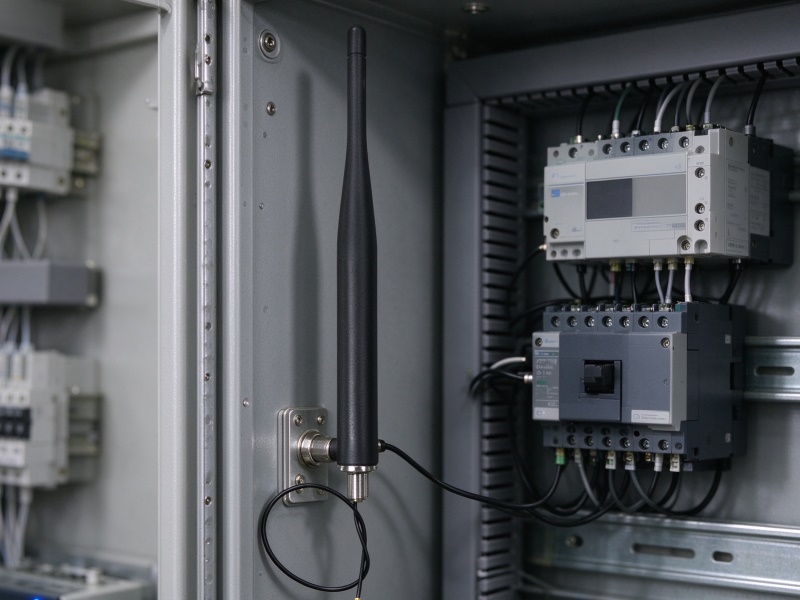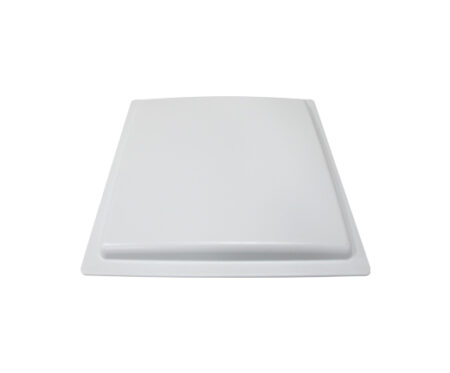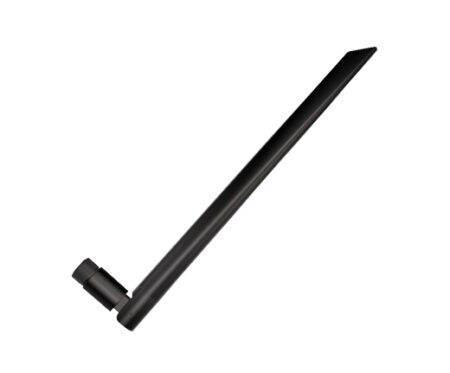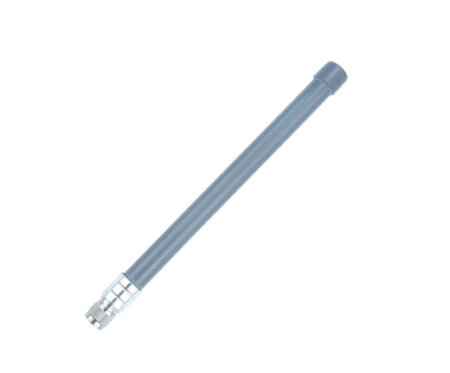
A suitable LoRa antenna supplier should provide frequency-compatible antennas, RF engineering support, device integration, and batch production. Renfeng offers an 868MHz 3.5dBi omnidirectional rubber duck antenna with an 848–888MHz range, 200mm length, SMA male connector, 20W power handling, and TPEE housing for compatible IoT devices.
What Does a LoRa Antenna Supplier Provide?
A lora antenna supplier provides antennas and technical support for wireless devices that use LoRa communication. Its services may include antenna selection, RF performance evaluation, connector adaptation, product development, and manufacturing according to equipment requirements.
A LoRa antenna is defined as an RF component that transmits and receives radio signals for devices using LoRa-based wireless communication. Its performance depends on operating frequency, gain, impedance matching, antenna placement, and the surrounding environment.
The main advantages of working with an experienced supplier include better frequency compatibility, more suitable antenna configurations, and support during product integration. For equipment manufacturers, these factors help reduce potential mismatches between the antenna and the wireless module.
How Does an 868MHz Rubber Duck Antenna Work?
An 868MHz rubber duck antenna converts electrical RF signals into electromagnetic waves during transmission and receives radio waves for the wireless device during reception. Its flexible external structure allows installation on compatible equipment through an RF connector.
Renfeng’s 868MHz 3.5dBi Omnidirectional Rubber Duck Antenna, SMA Male, is designed for wireless equipment operating within the 848–888MHz range.
| Parameter | Specification |
|---|---|
| Frequency range | 848–888MHz |
| Antenna gain | 3.5dBi |
| Antenna length | 200mm |
| Connector | SMA Male |
| Power handling | 20W |
| Housing material | TPEE |
| Radiation type | Omnidirectional |
The frequency range covers the 868MHz operating region, but users should verify the exact regional frequency allocation and radio configuration before deployment. The 3.5dBi gain provides a reference for antenna performance, although actual communication distance also depends on transmission power, receiver sensitivity, interference, and installation conditions.
The TPEE housing provides the antenna’s external protective structure. Its suitability for a specific outdoor or industrial environment should be confirmed through the relevant environmental test documentation.
Which IoT Devices Can Use a LoRa Antenna?
A LoRa antenna can support IoT devices that operate within its specified frequency range and use a compatible RF interface. Common applications include sensor nodes, smart meters, remote monitoring equipment, and wireless data collection terminals.
Typical application scenarios include:
- LoRa sensor nodes: An omnidirectional antenna can support communication between distributed sensors and compatible gateways.
- Smart meters: An 868MHz antenna can be considered for compatible wireless meter-reading equipment.
- Industrial IoT devices: An iot antenna can support monitoring terminals that collect and transmit equipment data.
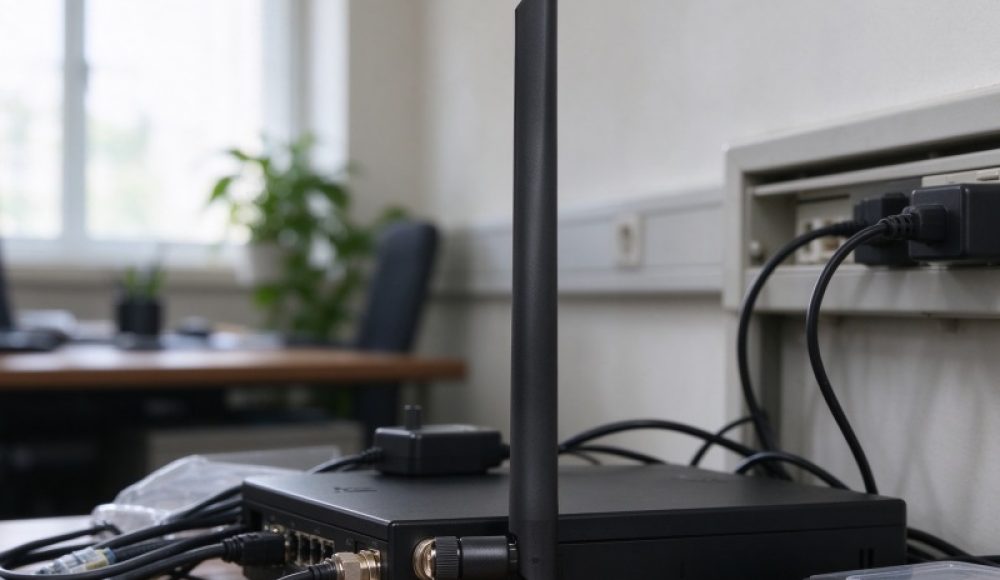
- Wireless gateways: External wireless antenna configurations can help equipment developers position the antenna separately from the main device enclosure.
An omnidirectional antenna is useful when devices communicate from different horizontal directions. However, its actual coverage depends on antenna placement, surrounding structures, and the network’s radio configuration.
How Should You Choose a LoRa Antenna Supplier?
Choosing a lora antenna supplier requires checking technical compatibility, product quality, engineering support, and manufacturing capability. A supplier should be able to explain how its antenna specifications match the intended device and application.
Consider these factors before selecting a supplier:
- Frequency compatibility: Confirm that the antenna covers the exact operating frequency required by the LoRa module and regional network.
- Gain and radiation pattern: Evaluate whether the gain and omnidirectional coverage suit the device’s installation and communication requirements.
- Connector compatibility: Check whether the SMA male connector matches the device’s RF interface. Also confirm connector gender and cable requirements.
- Mechanical dimensions: Verify the 200mm antenna length and available installation space, particularly for compact IoT terminals.
- Material requirements: Evaluate whether the TPEE housing meets the project’s mechanical and environmental requirements.
- Engineering support: Check whether the supplier can assist with antenna adaptation, sample evaluation, and design adjustments.
- Production capability: Confirm that the manufacturer can support the required production quantity, quality checks, and delivery schedule.
A practical supplier evaluation should also include sample testing. Useful RF checks include impedance matching, VSWR measurement, gain verification, and radiation pattern testing across the intended operating band. Buyers should request actual test reports rather than assume that every product has completed these tests.
How Do Rubber Duck Antennas Compare with Other IoT Antennas?
Rubber duck, embedded, and external cable antennas serve different device integration requirements. The right choice depends on available space, installation method, RF performance, and the equipment’s physical design.
| Antenna type | Main characteristics | Typical application |
|---|---|---|
| Rubber duck antenna | External antenna with a compact mounting interface | IoT terminals and wireless gateways |
| Embedded antenna | Installed inside the device enclosure | Compact sensor nodes and small wireless devices |
| External cable antenna | Antenna connected through a separate RF cable | Devices requiring flexible antenna positioning |
Compared with traditional embedded solutions, a rubber duck antenna offers an accessible external mounting configuration and can simplify replacement or repositioning. However, it requires sufficient installation space and a compatible RF connector.
For projects involving multiple device designs, the supplier should evaluate antenna placement and enclosure effects before confirming the final configuration.
What Factors Affect LoRa Antenna Customization Costs?
The cost of antenna customization depends on RF requirements, mechanical design, connector selection, testing scope, and production quantity. A standard antenna configuration may require less development work than a project involving structural changes or specific performance targets.
Key cost factors include:
- RF specifications: Frequency range, gain, and radiation requirements influence design and validation work.
- Mechanical design: Antenna length, housing material, and mounting structure affect component selection.
- Connector configuration: SMA and other RF connector options may have different component and assembly costs.
- Sample development: Prototype quantities and design revisions influence initial development expenses.
- Testing requirements: RF measurements and environmental validation may add to project costs.
- Batch quantity: Material sourcing, manufacturing setup, and order volume affect unit pricing.
To obtain an accurate quotation, buyers should provide the target frequency, antenna interface, installation environment, expected quantity, and required test documentation.
How Does Renfeng Support LoRa Antenna Projects?
Renfeng focuses on wireless communication antennas and supports antenna development for IoT devices and other wireless equipment. The company has experience in antenna engineering, with RF engineers averaging more than 10 years of industry experience.
Its support includes product adaptation, design development, and batch production. These capabilities help equipment manufacturers evaluate frequency requirements, antenna dimensions, connector compatibility, and installation conditions during product development.
For compatible LoRa applications, Renfeng offers the 868MHz 3.5 dBi Omnidirectional Rubber Duck Antenna with SMA Male connector. Its 848–888MHz frequency range, 200mm length, 20W power handling, and TPEE housing provide a defined configuration for equipment integration.
As a LoRa antenna supplier, Renfeng can discuss product requirements with customers developing LoRa nodes, smart meters, wireless gateways, and IoT terminals. Final compatibility should be confirmed through RF testing and device-level evaluation.
No specific product certification details have been provided. Buyers should identify the regulatory and environmental standards required in their target markets and request applicable test reports or certification documents before production approval.
Frequently Asked Questions
What Is a Rubber Duck Antenna Used For?
A rubber duck antenna is an external antenna with a compact, usually flexible structure. It is commonly used in wireless terminals, IoT devices, gateways, and other equipment that requires an external RF connection.
How to Choose an 868MHz Antenna for IoT Devices?
Choose an 868MHz antenna by checking its frequency range, gain, connector, dimensions, and radiation pattern. Also verify regional frequency regulations and test the antenna with the intended wireless module and device enclosure.
Why Does an IoT Device Need an Omnidirectional Antenna?
An IoT device may need an omnidirectional antenna when it communicates with wireless nodes located in different horizontal directions. This radiation configuration can support multi-directional coverage, although actual performance depends on antenna placement and the surrounding environment.
Source & Expertise
This article is based on the product specifications and company information provided for Renfeng’s 868MHz 3.5dBi Omnidirectional Rubber Duck Antenna, SMA Male. The technical discussion covers frequency compatibility, antenna gain, connector selection, IoT integration, RF testing, and customization considerations. Product-specific certification and environmental test results were not supplied and should be confirmed through official documentation.
Last Updated: November 4, 2026