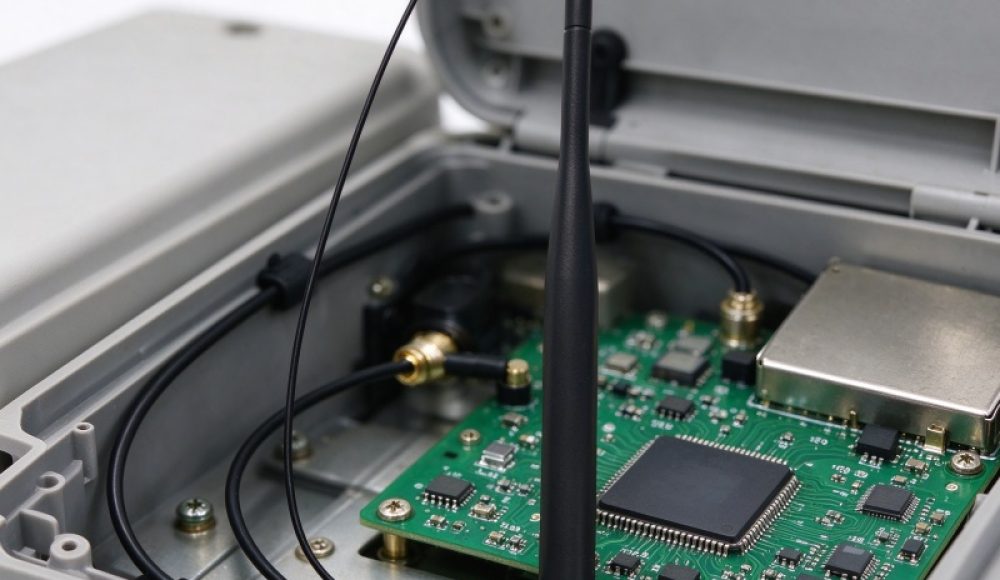
Choosing the right antenna cable length is an important part of designing embedded LoRa devices. Although antenna performance depends on factors such as frequency coverage, gain, and installation position, cable length also affects how easily the antenna can be integrated into the equipment. A cable that is too short may limit installation flexibility, while an unnecessarily long cable can make internal routing more complicated. Therefore, selecting an appropriate 868MHz IPEX rubber duck antenna requires considering both RF requirements and the physical layout of the device.
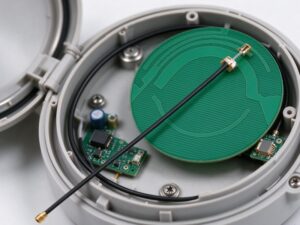
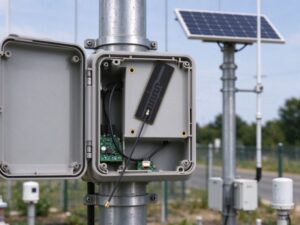
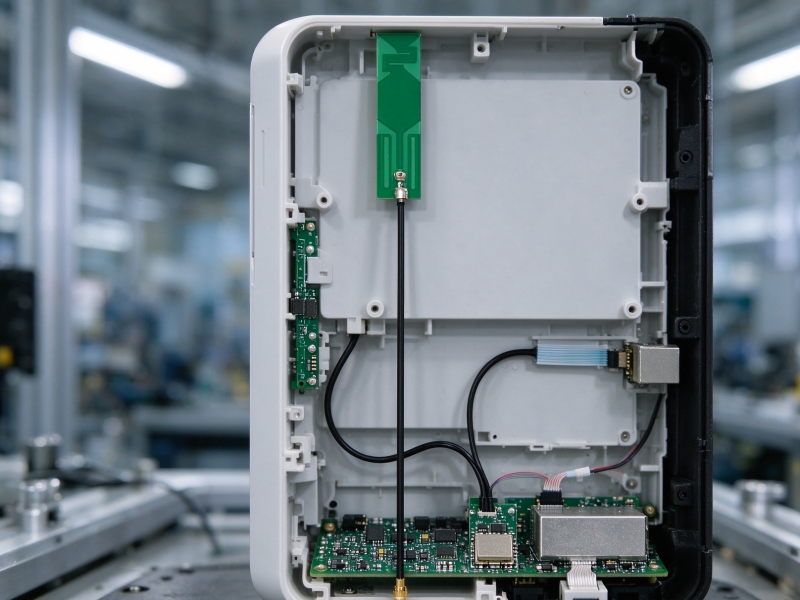
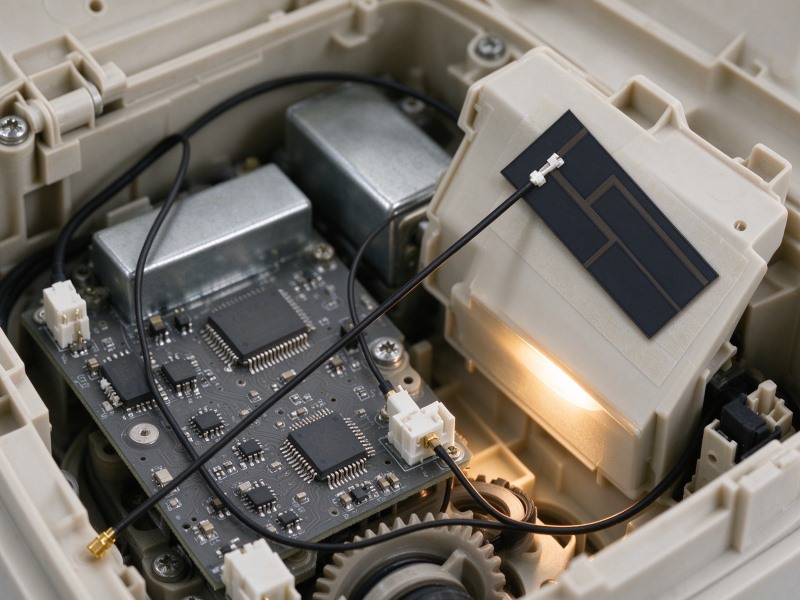
Embedded LoRa equipment often has limited internal space, especially when the antenna must connect to a compact wireless communication module. In these cases, the cable needs to reach the antenna installation position without interfering with circuit boards, housings, or other components. Moreover, the routing path should avoid sharp bends, excessive tension, and unnecessary cable loops. Careful planning can help simplify assembly and support consistent installation across production batches.
Understanding the 200mm Cable Configuration
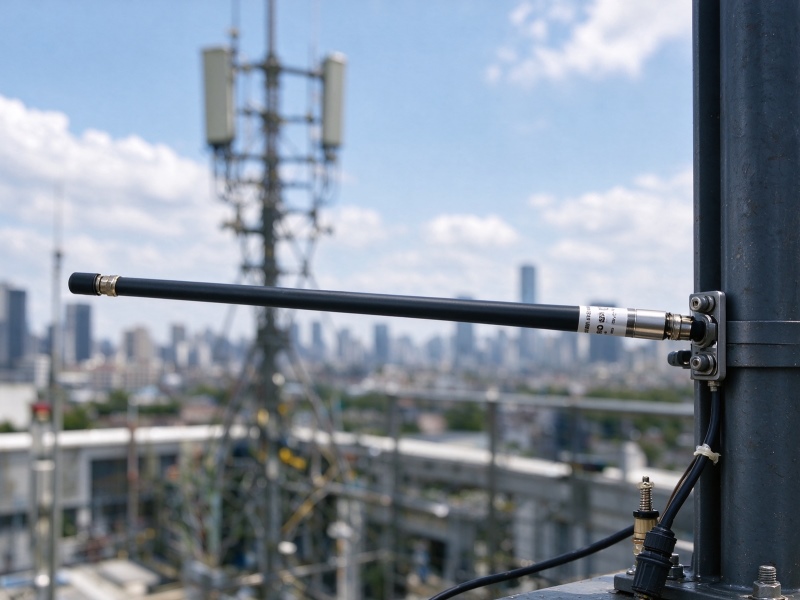
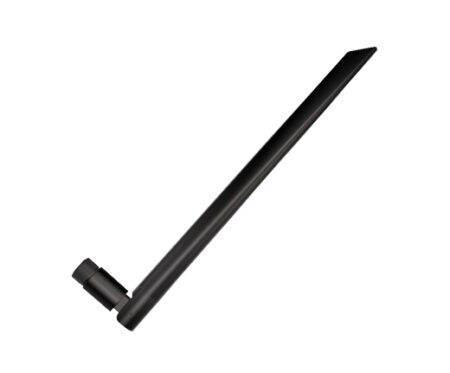
The 868MHz 3dBi IPEX Rubber Duck Antenna with 200mm Cable is designed for embedded LoRa applications that require flexible antenna placement. It covers the 830–894MHz frequency range and provides 3dBi gain with an IPEX-1 connector. In addition, the antenna uses a 200mm RG1.37 cable and a 197mm ABS body, providing an omnidirectional coverage pattern for wireless device integration.
The 200mm cable offers a practical connection length for equipment layouts where the antenna needs to be positioned away from the main circuit board. However, the ideal length still depends on the distance between the wireless module and the intended antenna mounting location. Before selecting the cable configuration, designers should measure the actual routing path inside the enclosure rather than relying only on the straight-line distance.
Key Factors for Selecting the Right Antenna Cable Length
Several practical factors should be considered when choosing a cable-fed rubber duck antenna for an embedded device.
- Connection Distance: Measure the distance between the IPEX connector on the wireless module and the antenna installation position.
- Internal Routing Path: Account for the cable path around circuit boards, housing walls, and other components.
- Installation Flexibility: Allow enough cable length for assembly and positioning without creating excessive loops.
- Cable Handling: Avoid sharp bends, pulling, or unnecessary tension that could affect installation reliability.
- RF Performance: Consider cable-related signal loss when evaluating different cable lengths, particularly when a longer connection is required.
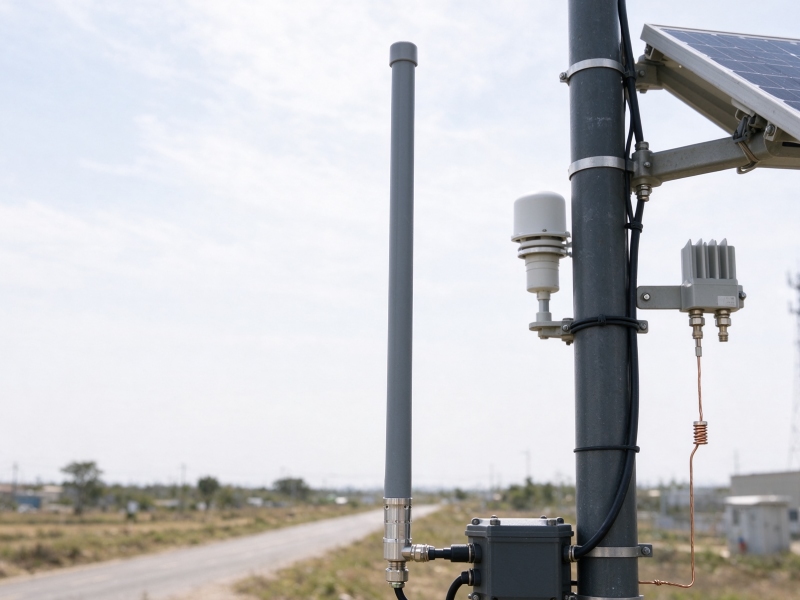
Furthermore, cable length should be evaluated together with the antenna’s operating frequency and installation environment. An 868MHz antenna must be suitable for the device’s intended frequency range, while its physical placement should support the required wireless communication design. As a result, engineers should assess the complete antenna connection rather than treating cable length as an isolated specification.
How the Antenna Specifications Support LoRa Integration
The antenna’s electrical and mechanical specifications help determine whether it fits a particular embedded application. Its 830–894MHz frequency coverage includes the 868MHz operating frequency, while the 3dBi gain and omnidirectional radiation pattern support applications that require coverage in multiple directions. Meanwhile, the IPEX-1 connector provides a compact connection interface for compatible wireless modules.
| Specification | Product Details | Integration Consideration |
|---|---|---|
| Frequency range | 830–894MHz | Covers the 868MHz frequency |
| Gain | 3dBi | Consider alongside device-level RF requirements |
| Connector | IPEX-1 | Check compatibility with the module connector |
| Cable | 200mm RG1.37 | Evaluate against the internal routing path |
| Antenna body | 197mm ABS | Check available mounting space |
| Radiation pattern | Omnidirectional | Consider antenna placement and surrounding materials |
An embedded antenna must also be installed with consideration for the surrounding enclosure and electronic components. Metal structures and nearby components may influence antenna performance, so the final position should be evaluated within the actual device. In addition, engineers should test the assembled product rather than relying only on the antenna’s standalone specifications.
Common Cable Selection Mistakes to Avoid
Some integration problems occur because cable length is selected before the equipment layout is finalized. For example, choosing a cable based only on the distance between two connection points may leave insufficient length for the actual routing path. Conversely, excessive cable length can occupy valuable internal space and make assembly less convenient.
To reduce these issues, equipment designers should:
- Measure the complete cable route inside the enclosure.
- Confirm that the IPEX-1 connector matches the wireless module.
- Check the available space for the 197mm antenna body.
- Keep the cable routing organized and avoid unnecessary bending or tension.
- Test antenna performance after installation in the final enclosure.
These steps help manufacturers identify mechanical and RF integration concerns before moving into larger production runs. They are particularly useful for compact LoRa devices where internal space and component placement must be carefully coordinated.
Choosing an Antenna for Consistent Device Integration
Selecting an antenna involves balancing frequency coverage, gain, connector compatibility, cable length, and installation space. For embedded LoRa equipment operating around 868MHz, the 200mm cable configuration provides a defined option for designers who need a flexible connection between the wireless module and antenna mounting position. Nevertheless, the final cable length should always be checked against the actual enclosure and routing requirements.
As an antenna manufacturer, Renfeng provides antenna products for wireless communication applications and equipment integration projects. When evaluating an 868MHz IPEX rubber duck antenna, buyers should confirm the required frequency range, connector type, cable length, and installation dimensions before ordering. This approach helps OEM teams select a suitable configuration for their embedded LoRa devices and maintain more consistent assembly requirements.