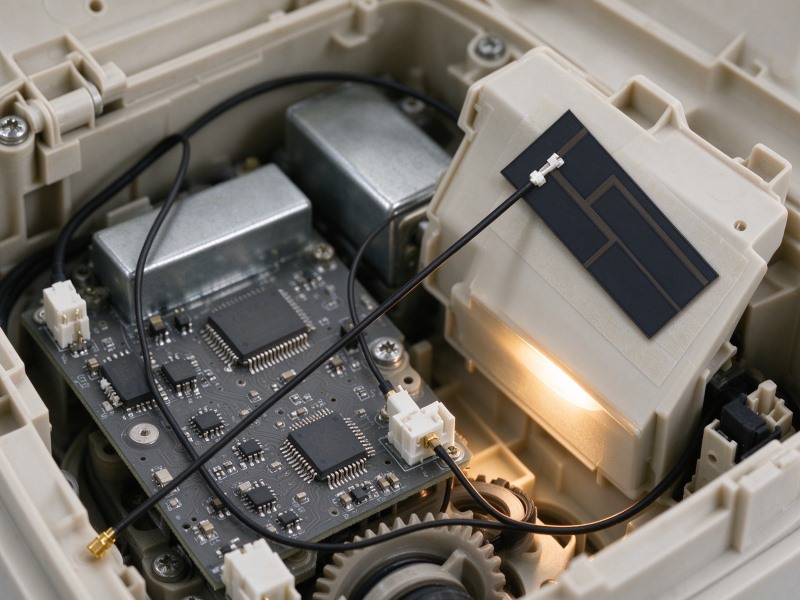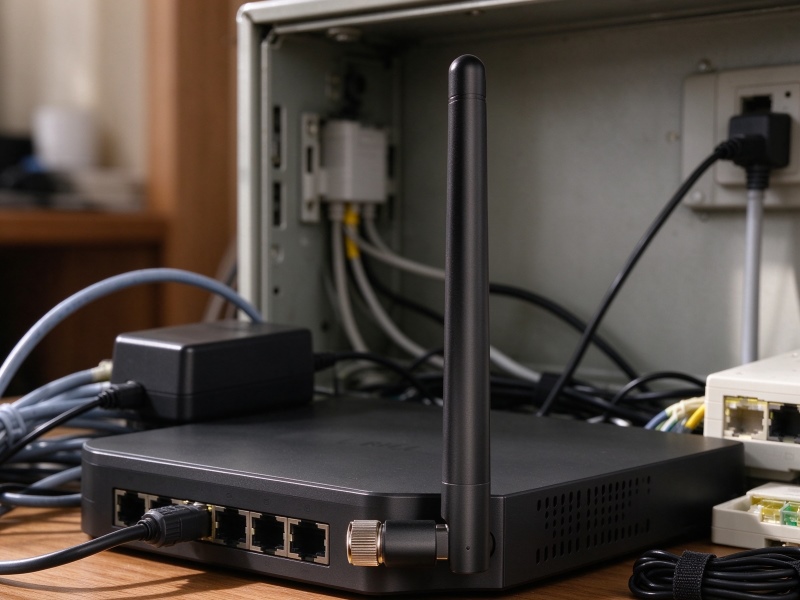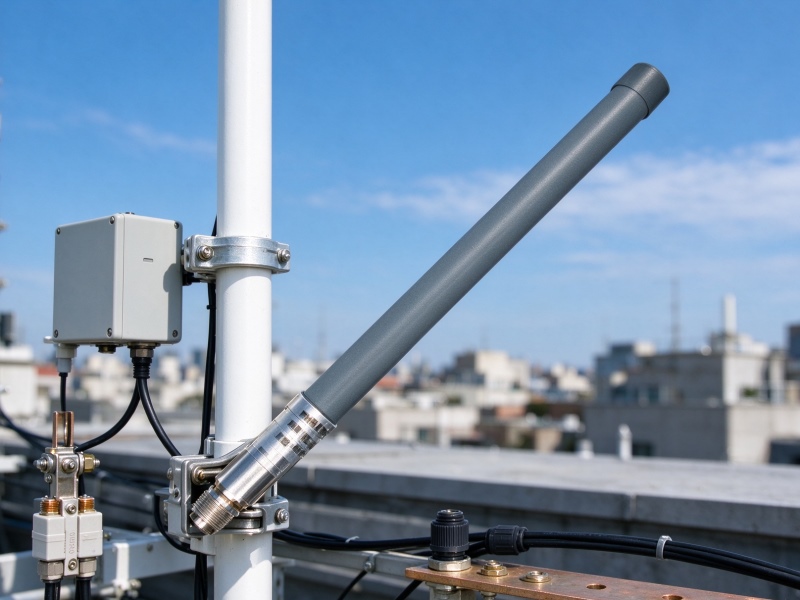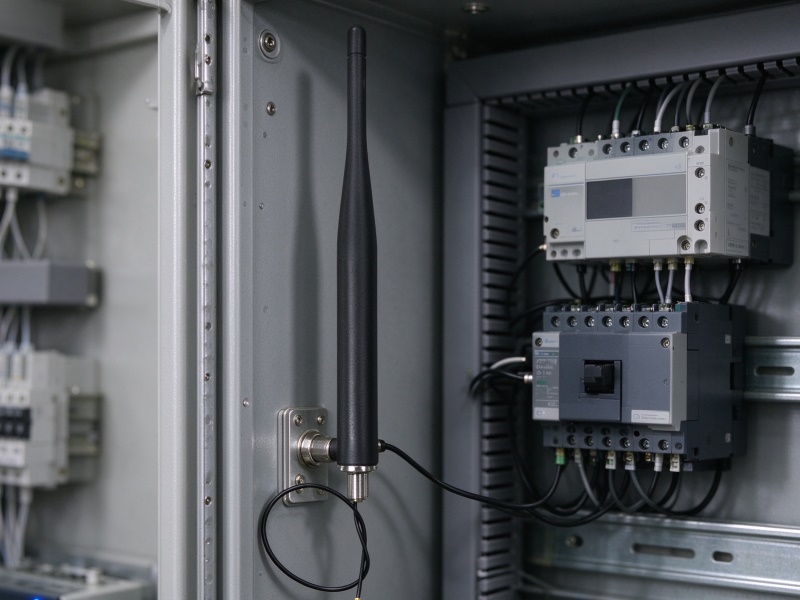
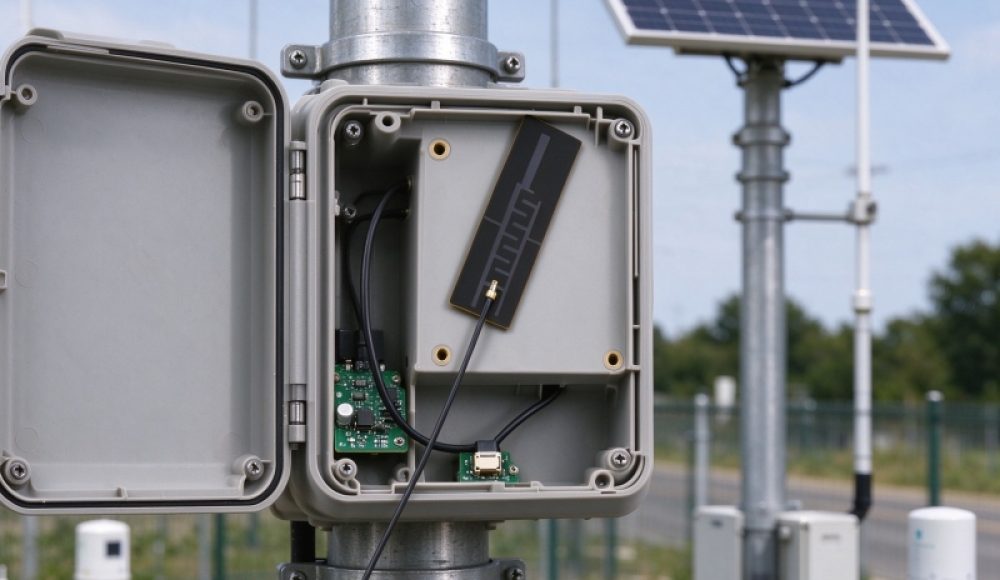
Compact wireless devices often have limited internal space for electronic components, batteries, and antenna installation. As a result, antenna placement becomes an important part of the overall product design. Traditional external antennas may not suit equipment that requires a slim enclosure or a clean exterior appearance. An ultra-thin internal LoRaWAN FPC antenna offers a flexible integration option for compact wireless devices where installation space and antenna positioning must be carefully considered.
LoRaWAN devices are commonly used in applications that require wireless communication over extended periods. These devices may operate in asset tracking, remote monitoring, and industrial sensing environments. Therefore, antenna integration should consider not only the available space but also the surrounding materials and the final installation position. A properly positioned internal antenna can help maintain a more consistent wireless configuration within the device enclosure.
How Adhesive Mounting Supports Stable Antenna Installation
Adhesive mounting provides a practical way to secure a flexible antenna inside a compact housing. Instead of relying on a rigid mounting bracket, an FPC antenna can be attached to a suitable internal surface. This approach helps keep the antenna in a defined position during equipment assembly and normal operation. Consequently, it can reduce unwanted movement caused by handling, vibration, or repeated device use.
Stable positioning is particularly important when designing compact wireless equipment. If an antenna shifts from its intended location, its surrounding environment and relationship with nearby components may also change. This can influence its RF characteristics and make performance less consistent across different devices. Therefore, adhesive mounting can support signal stability by helping maintain the intended antenna position, although it does not automatically increase antenna gain or eliminate signal interference.
Key Benefits of Flexible FPC Antenna Integration
A flexible material antenna can adapt to different internal housing surfaces and provide more freedom during mechanical design. This flexibility is useful when the available installation area is narrow or when the enclosure contains several closely arranged components. Moreover, the thin structure of an FPC antenna can help equipment designers organize internal space without adding a large external antenna assembly.
The main integration benefits include:
- Flexible Installation: The antenna can be attached to a suitable internal surface according to the device layout.
- Space-Efficient Design: Its thin structure supports compact equipment designs with limited internal clearance.
- Consistent Positioning: Adhesive mounting helps keep the antenna in its intended installation location.
- Clean Product Appearance: Internal installation avoids the need for an exposed external antenna structure.
- Design Flexibility: The flexible format gives engineers more options when arranging components inside the enclosure.
Furthermore, an ultra-thin internal LoRaWAN FPC antenna can be considered when product designers need to balance enclosure size with wireless communication requirements. However, the selected mounting surface and antenna orientation should be evaluated during the design process. This helps ensure that the mechanical installation supports the intended RF performance.
Important Factors Affecting Signal Stability in Compact Housings
Adhesive mounting is only one part of antenna integration. The enclosure material, nearby metal components, battery position, circuit board layout, and antenna orientation can also influence wireless performance. For this reason, engineers should evaluate the antenna within the complete device rather than judging its performance only when tested separately.
| Design Factor | Potential Effect on Antenna Integration | Recommended Consideration |
|---|---|---|
| Mounting position | Influences the antenna’s surrounding RF environment | Follow the recommended installation position |
| Adhesive attachment | Helps maintain consistent antenna placement | Use a suitable mounting surface |
| Enclosure material | May affect RF transmission and antenna performance | Evaluate the actual housing material |
| Nearby metal components | Can influence antenna characteristics | Maintain appropriate clearance where required |
| Battery and PCB layout | May affect the antenna’s operating environment | Review the complete internal arrangement |
| Antenna orientation | Can influence radiation behavior | Keep the intended orientation consistent |
In addition, manufacturers should avoid placing the antenna directly against unsuitable conductive surfaces unless the antenna design specifically allows it. The adhesive layer should also be compatible with the mounting surface and the intended operating environment. By reviewing these details early, design teams can reduce installation inconsistencies and improve the repeatability of antenna integration.
Applications in LoRaWAN and Asset Tracking Equipment
An asset tracking antenna must fit the physical design of the tracking device while supporting its wireless communication requirements. Many tracking products use compact housings to accommodate batteries, positioning modules, and communication electronics. Therefore, internal FPC antennas can be considered when designers want to avoid protruding antenna structures and make efficient use of available space.
Typical application areas include:
- LoRaWAN asset tracking devices
- Compact wireless monitoring terminals
- Industrial sensor nodes
- Remote data collection equipment
- Battery-powered IoT devices
- Space-limited wireless communication products
For these applications, an internal LoRa antenna should be selected according to the device’s operating frequency, enclosure design, and communication requirements. Moreover, the antenna should be tested after installation in the final housing because nearby components and mounting conditions can affect actual performance. This approach provides a more realistic assessment than relying solely on the antenna’s standalone specifications.
Antenna Selection and Integration for OEM Projects
For OEM equipment manufacturers, antenna selection should begin with the product’s mechanical and wireless requirements. Engineers should confirm the available installation area, housing material, antenna orientation, and connection method before finalizing the design. In addition, they should consider the intended operating environment and evaluate whether the adhesive mounting method is suitable for long-term use.
A practical evaluation process includes:
- Review the Device Layout: Identify available internal surfaces and possible antenna installation positions.
- Check Housing Materials: Evaluate whether the enclosure and nearby components may influence RF performance.
- Confirm Mounting Conditions: Ensure the adhesive attachment is suitable for the selected surface and operating environment.
- Maintain Installation Consistency: Use a defined position and orientation across production units.
- Test the Complete Device: Verify antenna performance after installation in the finished enclosure.
As an antenna manufacturer, Renfeng provides antenna products for wireless communication and embedded device applications. For OEM projects, sharing the device dimensions, operating frequency, housing materials, and installation requirements can help determine a suitable antenna configuration. This information also supports more efficient communication during product development and integration.
Conclusion: Improving Antenna Stability Through Better Installation
Adhesive mounting offers a practical approach to securing flexible antennas inside compact wireless devices. By maintaining a consistent installation position, it can help reduce unwanted antenna movement and support repeatable device assembly. However, reliable wireless performance also depends on antenna placement, enclosure materials, nearby components, and the final device configuration. An ultra-thin internal LoRaWAN FPC antenna is worth considering for compact IoT products that require flexible internal installation and an unobtrusive exterior design. When combined with appropriate mounting practices and device-level RF testing, this antenna format can support more consistent integration in LoRaWAN tracking, monitoring, and industrial wireless equipment.