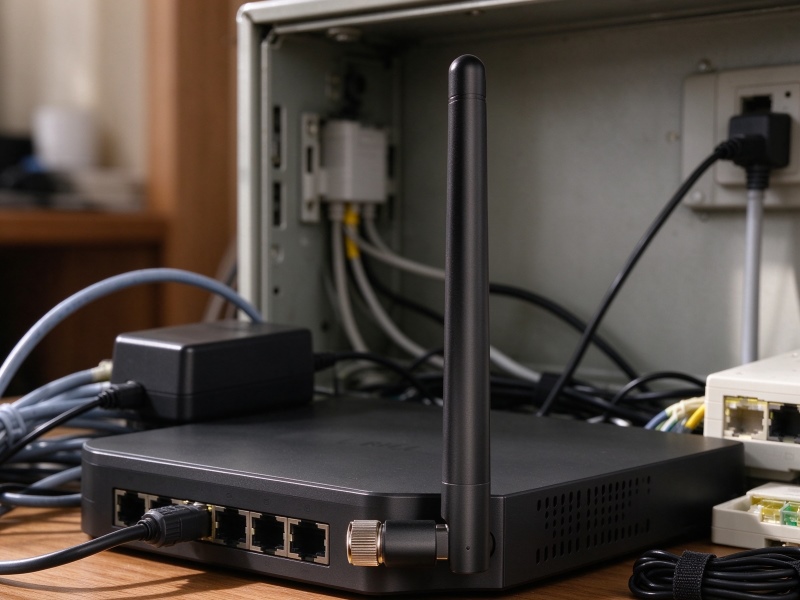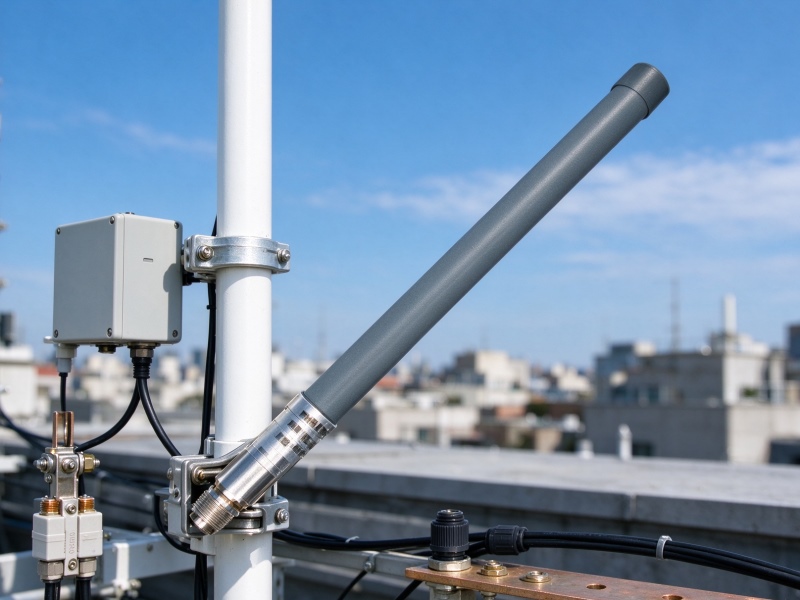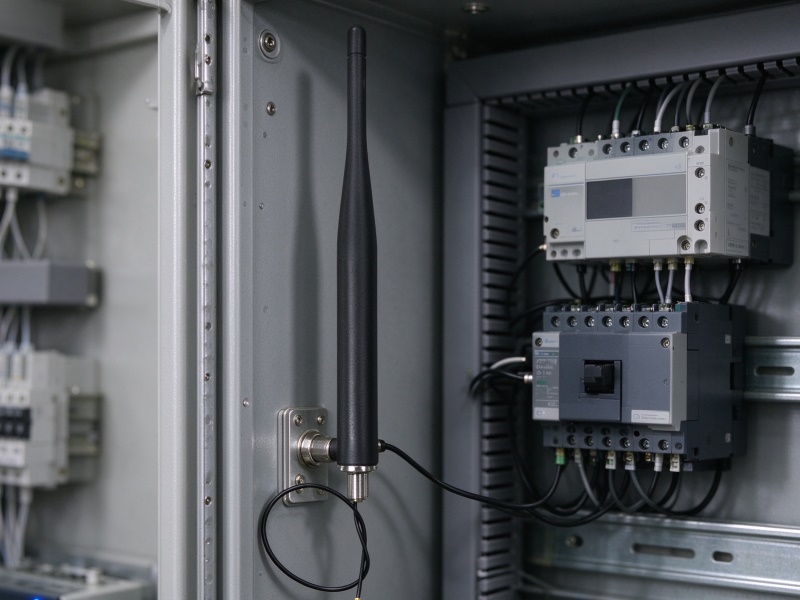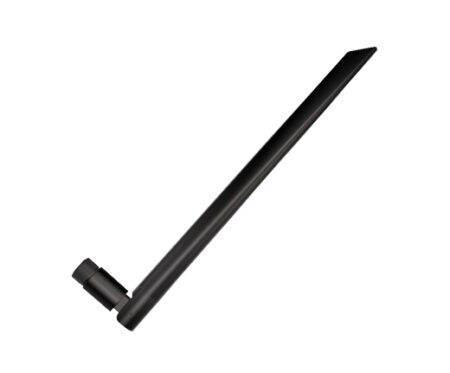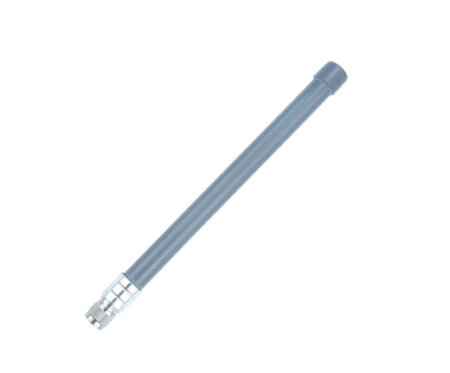

An antenna oem factory supports magnetic mount antenna projects through product concept development, RF design, customization, and batch production. Renfeng, established in 2012, provides antenna engineering and manufacturing support. Its 868/915MHz 6dBi Wideband Magnetic Mount Antenna operates at 860–960MHz and features a magnetic base, SMA male connector, and 1-meter RG174 cable.
What Is an Antenna OEM Factory for Magnetic Mount Antennas?
An antenna oem factory is a manufacturing partner that helps equipment developers design, adapt, and produce antennas according to specific application requirements. Its work can include product concept evaluation, RF engineering, structural design, sample development, and batch manufacturing. A magnetic mount antenna is an antenna fitted with a magnetic base that allows it to attach to compatible metal surfaces. This mounting method is commonly considered for vehicle communication equipment, temporary outdoor installations, and wireless devices that need flexible antenna positioning.
The main advantages include easier installation, flexible positioning, and the ability to remove or relocate the antenna without permanent mounting holes. However, actual performance depends on the antenna design, mounting surface, cable arrangement, and surrounding environment.
How Does a Magnetic Mount Antenna Work?
A magnetic mount antenna receives and transmits radio-frequency signals through its radiating element, while the magnetic base mechanically attaches it to a metal surface. The mounting surface can also influence the antenna’s RF behavior, depending on its size, material, and electrical characteristics.
For the 868/915MHz 6dBi Wideband Magnetic Mount Antenna, the main specifications include:
| Parameter | Specification |
|---|---|
| Frequency range | 860–960MHz |
| Antenna gain | 6dBi |
| Mounting method | Magnetic base |
| Connector | SMA Male |
| Cable | 1-meter RG174 |
| Product type | Wideband magnetic mount antenna |
The 860–960MHz operating range covers commonly used sub-GHz wireless frequency bands, including 868MHz and 915MHz applications. Nevertheless, equipment developers should verify regional frequency regulations and confirm that the antenna is compatible with the intended radio module. The 6dBi gain describes the antenna’s directional radiation performance relative to a reference antenna. It does not independently determine communication distance because transmission power, receiver sensitivity, terrain, interference, and antenna installation also affect link performance.
Which Applications Use Magnetic Mount Antennas?
Magnetic mount antennas are used in wireless applications where removable installation and flexible positioning are useful. Their suitability depends on the required frequency range, mounting conditions, and communication system.
Common application scenarios include:
- LoRa gateways and monitoring equipment: An 868MHz antenna or 915MHz antenna can support sub-GHz wireless communication when the selected frequency matches the regional network and radio configuration.
- Vehicle communication systems: A vehicle antenna with a magnetic base can provide a removable mounting option for compatible metal vehicle surfaces.
- Industrial IoT equipment: Magnetic mounting can simplify temporary antenna placement during field testing, equipment deployment, or wireless monitoring.
- Wireless data collection: Wideband antennas can be evaluated for devices operating across different sub-GHz frequency requirements.
Compared with traditional solutions that require fixed brackets or permanent mounting holes, magnetic mounting offers greater flexibility during installation and relocation. However, it still requires a suitable metal surface and secure positioning, especially in mobile or outdoor environments.
How Should Equipment Developers Choose an Antenna OEM Factory?
Choosing an antenna oem factory requires evaluating its RF engineering capability, product customization process, manufacturing consistency, and ability to support the intended application.
The following factors are particularly relevant to magnetic mount antenna projects:
- Frequency compatibility: Confirm that the antenna covers the target operating band, such as 868MHz or 915MHz, and check regional frequency requirements.
- RF performance: Review gain, impedance matching, radiation characteristics, and other relevant test results. Do not rely on gain alone to estimate communication distance.
- Mechanical compatibility: Check the magnetic base, installation surface, connector type, cable length, and available mounting space.
- Equipment integration: Confirm that the SMA connector and RG174 cable are compatible with the radio module and device enclosure.
- Production capability: Evaluate whether the manufacturer can support sample development, design adjustments, production planning, and batch delivery.
- Quality verification: Request applicable inspection records and test reports before approving mass production.
A structured development process helps reduce compatibility issues between the antenna and the final wireless device. It also gives equipment manufacturers a clearer basis for evaluating samples before confirming production specifications.
How Do Magnetic Mount Antennas Compare with Other Mounting Types?
Magnetic mount, fixed-mount, and adhesive-mounted antennas serve different installation requirements. The appropriate option depends on whether the project prioritizes removability, permanent attachment, or installation on non-metallic surfaces.
| Mounting type | Main characteristics | Typical consideration |
|---|---|---|
| Magnetic mount | Removable magnetic base | Suitable metal surface is required |
| Fixed mount | Permanent mechanical attachment | Suitable for stable, long-term installation |
| Adhesive mount | Attached using an adhesive layer | Surface preparation and adhesive durability matter |
A magnetic mount antenna is useful when equipment needs to be repositioned or removed. By comparison, fixed mounting may be more appropriate when permanent installation and mechanical retention are priorities. Adhesive mounting can be considered when drilling is unsuitable, although surface conditions and adhesive performance must be evaluated.
What Factors Affect Magnetic Mount Antenna Customization Costs?
The cost of magnetic mount antenna customization depends on design complexity, component selection, testing requirements, and production volume. A standard product configuration generally requires fewer engineering changes than a project involving a new structure or specific RF performance targets.
Key cost factors include:
- RF design requirements: Changes to frequency coverage, gain targets, or antenna structure may require additional engineering and validation.
- Mechanical components: Magnetic base dimensions, materials, cable specifications, and connector selection affect the bill of materials.
- Cable and connector configuration: Different cable lengths, connector types, and assembly requirements can change production costs.
- Sample development: Prototype quantities and design revisions influence initial development expenses.
- Testing requirements: RF measurements, environmental checks, and mechanical inspections may add to project costs.
- Batch quantity: Production volume affects material purchasing, manufacturing setup, and unit cost.
Before requesting a quotation, buyers should provide the operating frequency, device interface, installation environment, expected quantity, and required test documentation. These details help manufacturers define the project scope more accurately.
How Does Renfeng Support Magnetic Mount Antenna Projects?
Renfeng is a manufacturer focused on intelligent communication terminal antennas and customized antenna solutions. Established in 2012, the company supports wireless communication and IoT antenna projects through RF engineering and manufacturing services. Its RF engineers have an average of more than 10 years of industry experience. The company supports projects from product concept development and RF design to batch production and product delivery. These capabilities are relevant to equipment developers evaluating antenna structures, frequency requirements, and installation conditions.
For magnetic mount antenna projects, Renfeng offers the 868/915MHz 6dBi Wideband Magnetic Mount Antenna. Its 860–960MHz frequency range, 6dBi gain, magnetic base, SMA male connector, and 1-meter RG174 cable provide a defined configuration for sub-GHz wireless equipment.
As an antenna oem factory, Renfeng can support discussions about product adaptation and batch customization based on project requirements. Customers should confirm the final specifications, sample test results, applicable regional regulatory requirements, and production acceptance criteria before placing a production order. Regarding certification standards, no specific certification details have been provided for this product. Therefore, buyers should identify the standards relevant to their target market and request supporting documentation where required.
Frequently Asked Questions
What Is a Magnetic Mount Antenna Used For?
A magnetic mount antenna is used for wireless communication equipment that requires removable installation on a suitable metal surface. Common applications include vehicle communication, LoRa devices, and temporary wireless monitoring systems.
How to Choose an Antenna OEM Factory for 868MHz or 915MHz Projects?
Choose a manufacturer based on frequency compatibility, RF engineering experience, customization capability, sample testing, and batch production support. Also confirm connector, cable, mounting, and regulatory requirements before approving the antenna design.
Why Does a Magnetic Mount Antenna Need a Suitable Metal Surface?
The metal surface provides the attachment point and may influence the antenna’s RF characteristics. Surface size, material, position, and nearby objects can affect performance, so the final installation should be tested under actual operating conditions.
Source & Expertise
This article is based on the product specifications and company information provided for Renfeng’s 868/915MHz 6dBi Wideband Magnetic Mount Antenna. The technical discussion covers frequency compatibility, antenna gain, magnetic mounting, RF integration, customization, and manufacturing considerations. Product-specific performance beyond the stated specifications should be confirmed through manufacturer documentation and application testing.
Last Updated: November 4, 2026