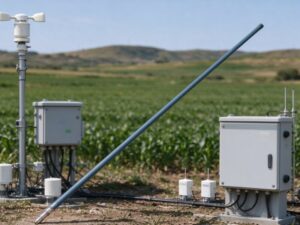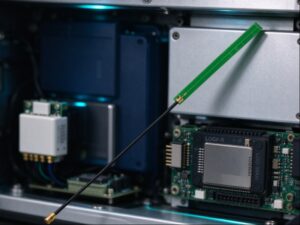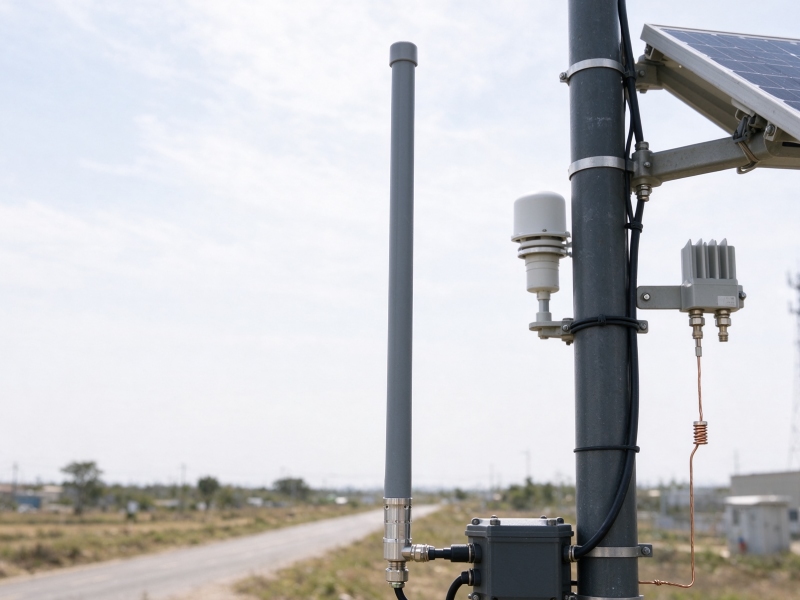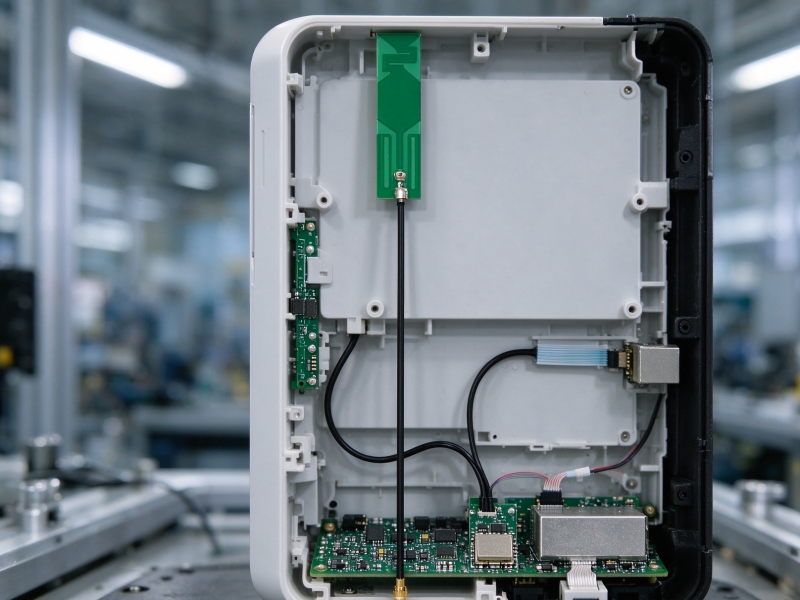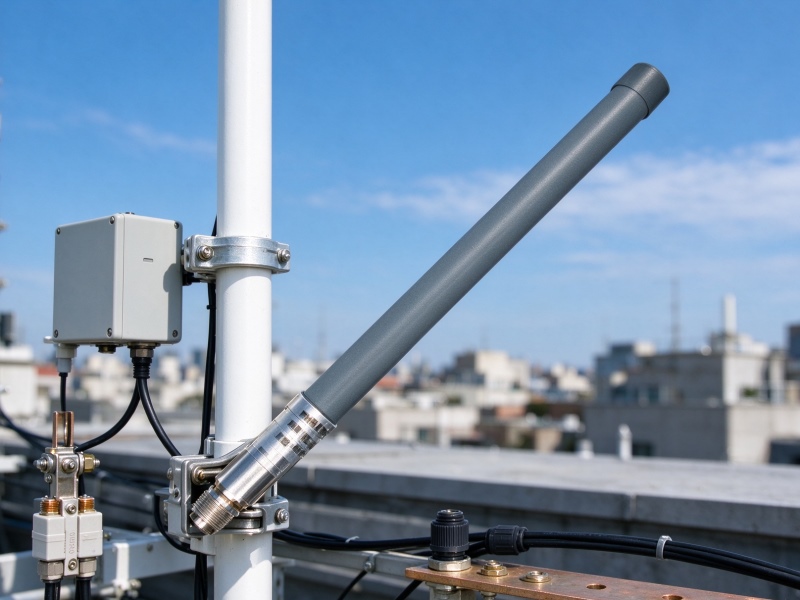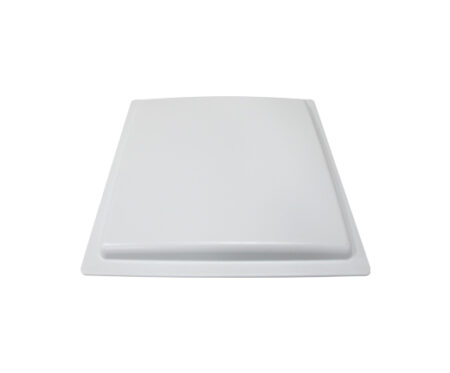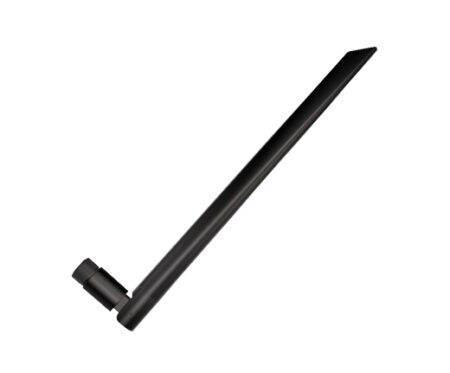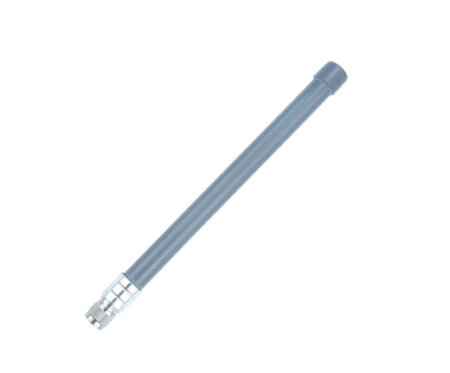
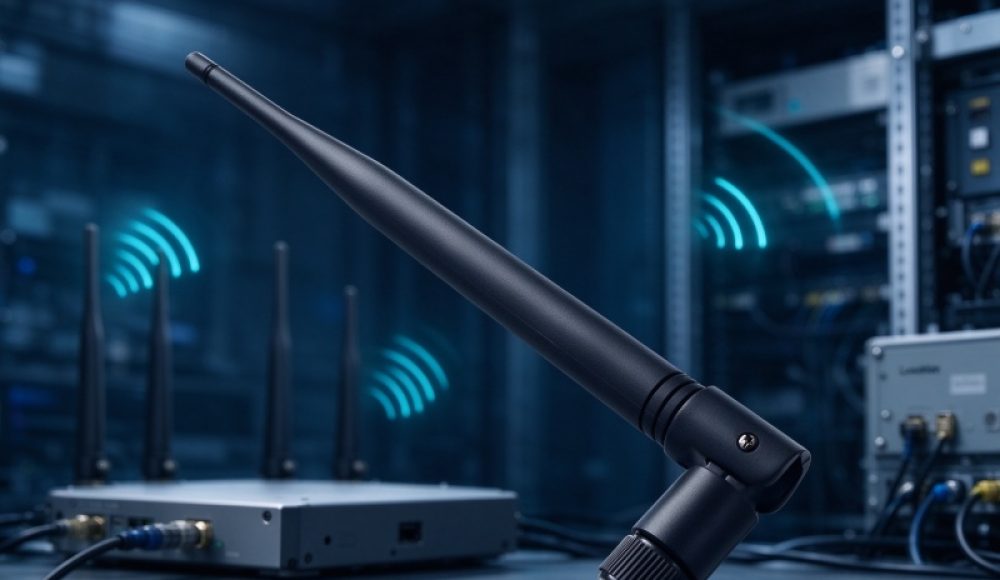
Reliable wireless communication is essential for LoRaWAN gateways and connected IoT devices. However, signal interference, poor antenna placement, and unsuitable RF components can reduce communication stability, limit coverage, and cause inconsistent data transmission. Choosing the right antenna is an important step, but effective installation and interference management also play a major role in network performance. A 915MHz 3dBi Low-VSWR Omnidirectional Rubber Duck Antenna can support dependable wireless links when its frequency range, connector, and installation environment match the application.
Why Signal Interference Matters in LoRaWAN Gateways
LoRaWAN gateways receive data from multiple end devices across a wireless network. Since these devices may operate in environments with other wireless equipment, interference can affect signal quality and packet reception. Nearby transmitters, physical obstacles, electrical equipment, and poorly positioned antennas can all contribute to communication problems. Therefore, network operators should evaluate both the antenna and its surrounding RF environment rather than assuming that increasing antenna gain will solve every coverage issue.
A suitable low-VSWR 915MHz rubber duck antenna helps reduce reflected power caused by an impedance mismatch between the antenna and the connected RF system. When VSWR is lower, more of the transmitted power can be delivered to the antenna instead of being reflected toward the radio. This does not eliminate external interference, but it helps the antenna operate more efficiently when the system is properly matched. For LoRaWAN gateways, this is one part of building a more reliable wireless communication setup.
Key Antenna Specifications for 915MHz LoRaWAN Applications
Before selecting an antenna, check whether its frequency coverage and electrical characteristics match the gateway’s operating requirements. The 915MHz band is used by many LoRaWAN deployments, but the permitted frequencies and operating conditions depend on the target region. The antenna should therefore be selected according to the radio equipment and local regulations.
The 915MHz 3dBi Low-VSWR Omnidirectional Rubber Duck Antenna is designed for applications that need compact external mounting and coverage in multiple directions. Its 895–935MHz frequency range supports compatible 915MHz wireless systems, while the 3dBi gain provides a balance between coverage and a compact antenna design. The following table summarizes the key specifications and explains why each one matters.
| Specification | Product Details | Relevance to LoRaWAN Gateways |
|---|---|---|
| Frequency range | 895–935MHz | Covers compatible 915MHz applications |
| Gain | 3dBi | Supports omnidirectional wireless coverage |
| VSWR | ≤1.5 | Helps maintain a suitable impedance match |
| Power handling | 20W | Supports compatible RF equipment within the rated limit |
| Connector | SMA male | Enables connection to compatible SMA interfaces |
| Antenna length | 195mm | Offers a compact external mounting option |
| Antenna material | TPEE | Provides a lightweight antenna body |
| Radiation pattern | Omnidirectional | Supports coverage around the installation point |
These specifications should be considered together. For example, a connector mismatch may require an appropriate adapter or a different antenna version, while an unsuitable frequency range can affect RF performance. In addition, users should confirm the gateway’s connector type, impedance requirements, and permitted transmit power before installation.
Practical Ways to Reduce Signal Interference
A properly selected 915MHz 3dBi Low-VSWR Omnidirectional Rubber Duck Antenna can contribute to stable communication, but installation decisions are equally important. Use the following practices to reduce avoidable interference and improve the consistency of LoRaWAN connections.
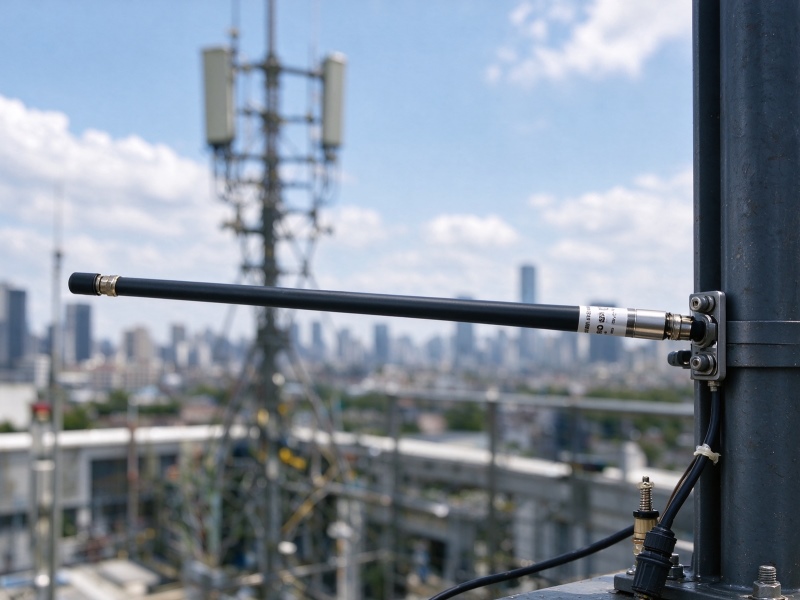
- Choose an appropriate installation location: Keep the antenna away from large metal objects, dense structural barriers, and sources of electrical noise whenever possible. An unobstructed position can help the antenna provide more consistent coverage.
- Maintain suitable separation: Avoid placing the antenna too close to other transmitting antennas or high-power RF equipment. Adequate separation can reduce unwanted coupling and interference between nearby devices.
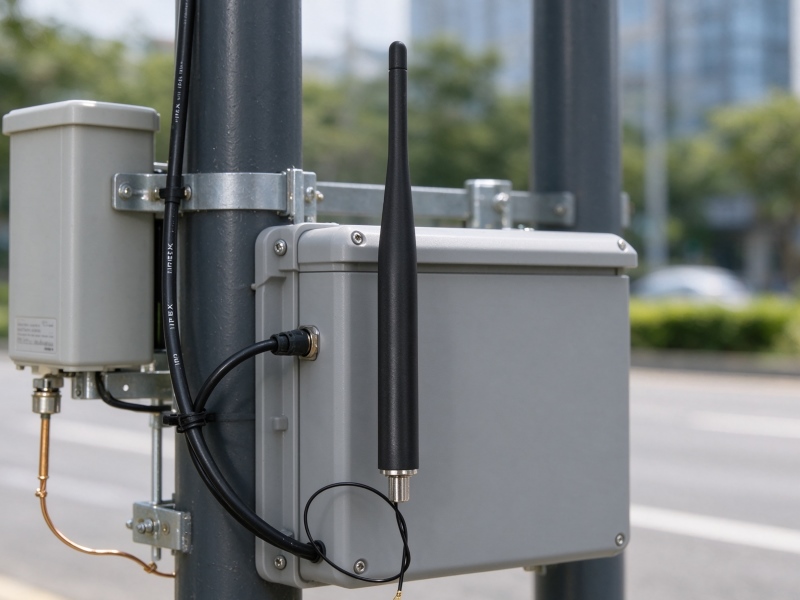
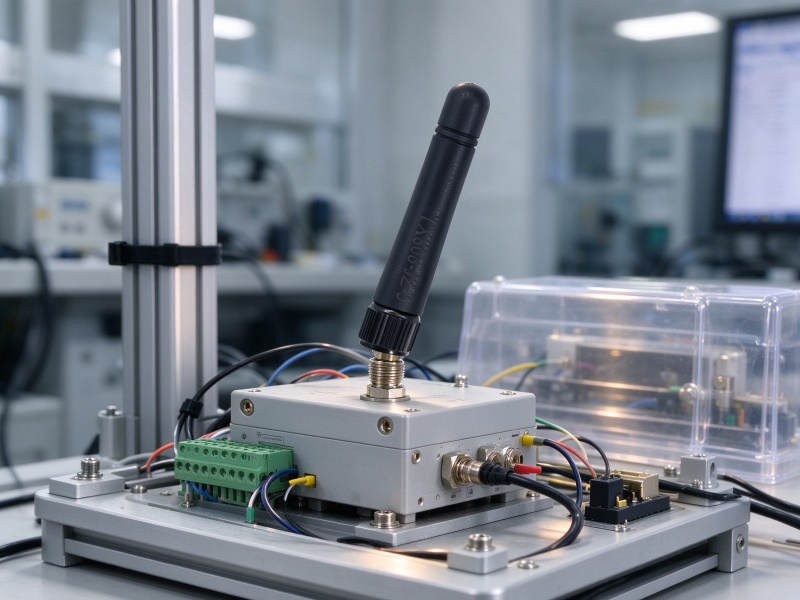
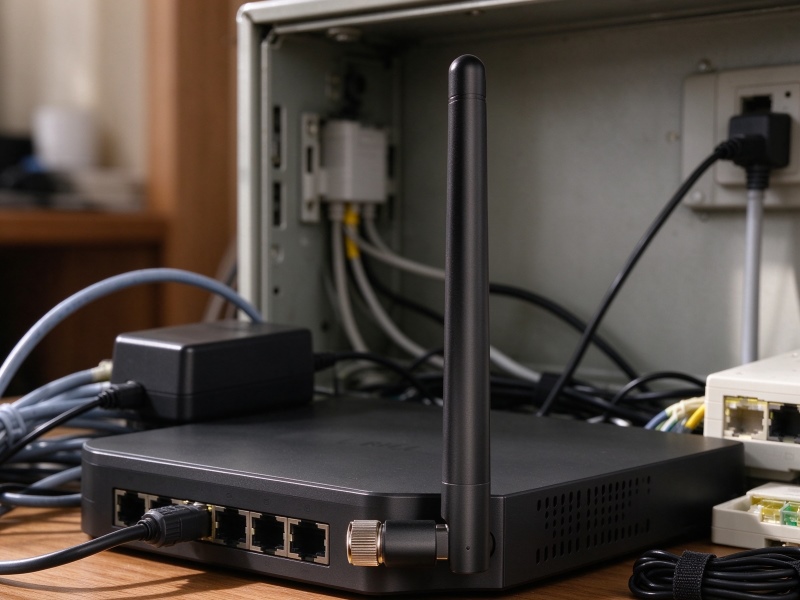
- Check the connector and cable path: Ensure that the SMA male connector is compatible with the gateway interface and securely attached. If an extension cable or adapter is necessary, use a suitable RF component and keep the connection path as short as practical.
- Inspect the antenna regularly: Check for loose connections, physical damage, or changes in the mounting position. These issues can affect the RF connection and should be corrected before they cause persistent communication problems.
- Review gateway performance data: Monitor packet reception, signal strength, and signal quality indicators where the gateway platform provides them. Comparing performance before and after an installation change can help identify whether the adjustment has improved the wireless link.
Why Omnidirectional Coverage Is Useful for LoRaWAN
LoRaWAN gateways often communicate with end devices distributed across different directions. In these situations, an omnidirectional rubber duck antenna can provide coverage around the installation point without requiring precise directional alignment. This makes it useful for compact gateway enclosures, wireless terminals, and other space-conscious installations. The 3dBi gain of this antenna offers a practical balance for compatible applications. However, actual coverage depends on more than antenna gain alone. Gateway output power, receiver sensitivity, antenna height, nearby obstacles, cable loss, and local RF conditions can all influence the communication range. As a result, operators should test the antenna in its intended environment instead of relying only on its rated gain.
Selecting an External Antenna for Reliable Wireless Communication
An external antenna can help position the radiating element in a more suitable location when the gateway enclosure or installation space limits antenna placement. For example, a compact antenna mounted outside an enclosure may avoid some of the shielding effects caused by metal housing. Nevertheless, the mounting position should still provide adequate clearance from surrounding objects and other RF equipment. When comparing a 915MHz antenna with other wireless communication antenna options, consider the complete application rather than focusing on a single specification. Frequency compatibility, VSWR, connector type, gain, physical dimensions, and installation conditions should all match the intended system. A suitable LoRa antenna should also comply with the radio module’s requirements and the regulations in the deployment region.
Conclusion
Reducing signal interference in LoRaWAN gateways requires a combination of appropriate antenna selection, careful placement, compatible RF connections, and ongoing performance checks. A 915MHz 3dBi Low-VSWR Omnidirectional Rubber Duck Antenna offers 895–935MHz coverage, 3dBi gain, VSWR of ≤1.5, 20W power handling, and an SMA male connector in a lightweight 195mm TPEE body. These features make it a practical option for compatible LoRaWAN terminals and gateways that need compact external antenna installation. Renfeng provides antenna options for wireless communication applications, helping customers evaluate product specifications against their equipment and installation requirements. Before choosing an antenna, confirm the gateway’s frequency band, connector interface, and operating conditions to support a reliable and compliant deployment.