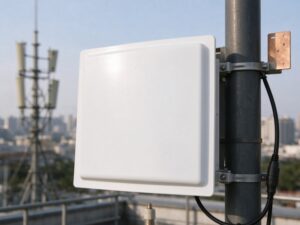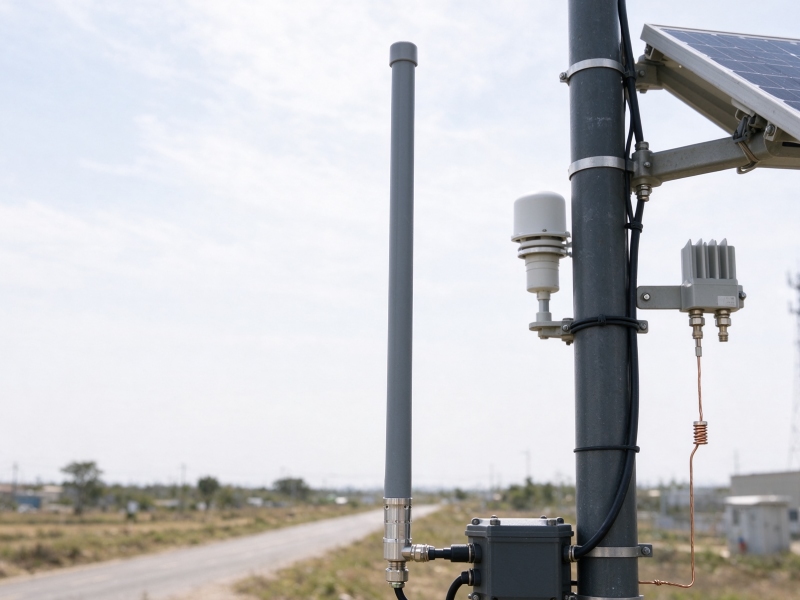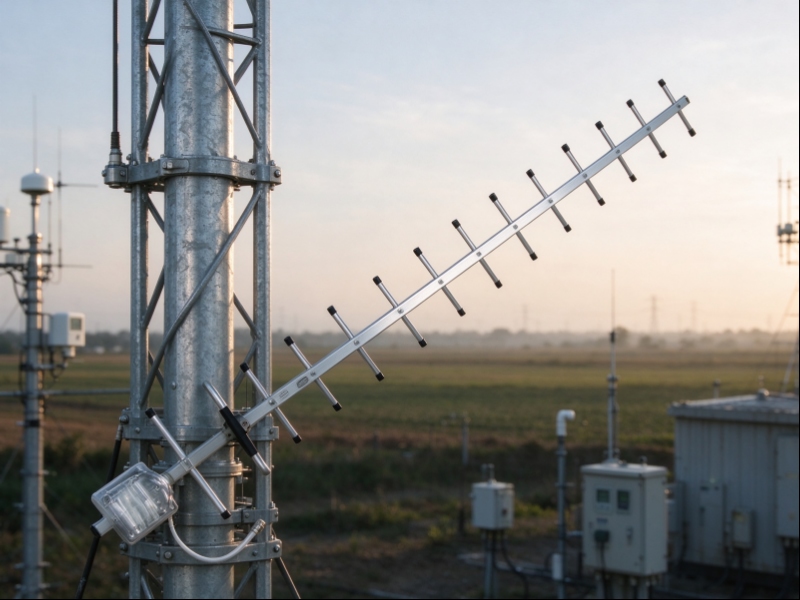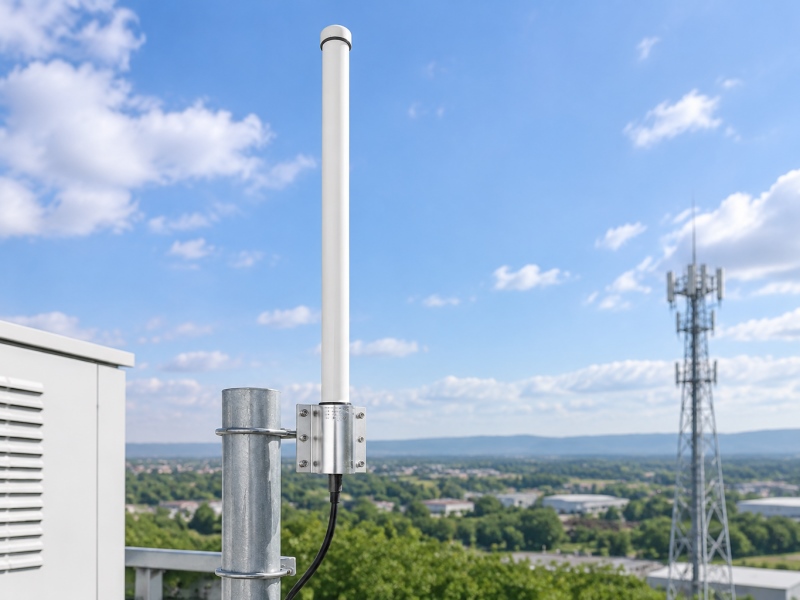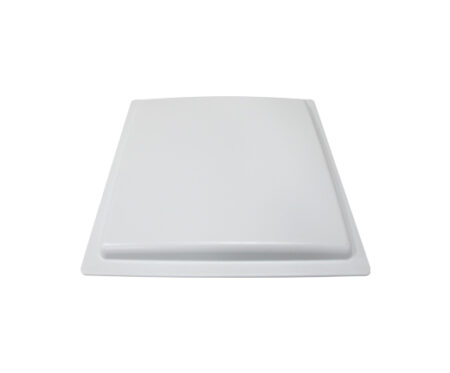
Renfeng, an RFID Panel Antenna Manufacturer, offers an 850–930 MHz 12dBi circular polarized panel antenna for fixed RFID reader systems. With an N-type female connector, 50W power handling, a 258 × 258 × 34mm enclosure, and a 0.4m cable, it supports directional tag identification in industrial and logistics environments.
What Is an RFID Panel Antenna?
An RFID Panel Antenna Manufacturer develops panel antennas that help RFID readers transmit and receive radio-frequency signals within defined coverage areas.
An RFID panel antenna is a directional antenna designed for fixed RFID installations. It connects to an RFID reader and communicates with compatible tags through radio waves. Its directional radiation pattern helps concentrate RF energy toward a target reading area.
Renfeng’s 850–930 MHz 12 dBi High-Gain Circular Polarized RFID Panel Antenna is designed for applications that require controlled coverage and long-range tag identification. It combines a 12dBi gain rating with circular polarization and an N Female connector.
The main advantages include:
- Directional coverage: Focuses RF energy toward a selected reading zone.
- Circular polarization: Helps read tags with different orientations.
- High gain: Concentrates transmitted and received energy within the antenna’s radiation pattern.
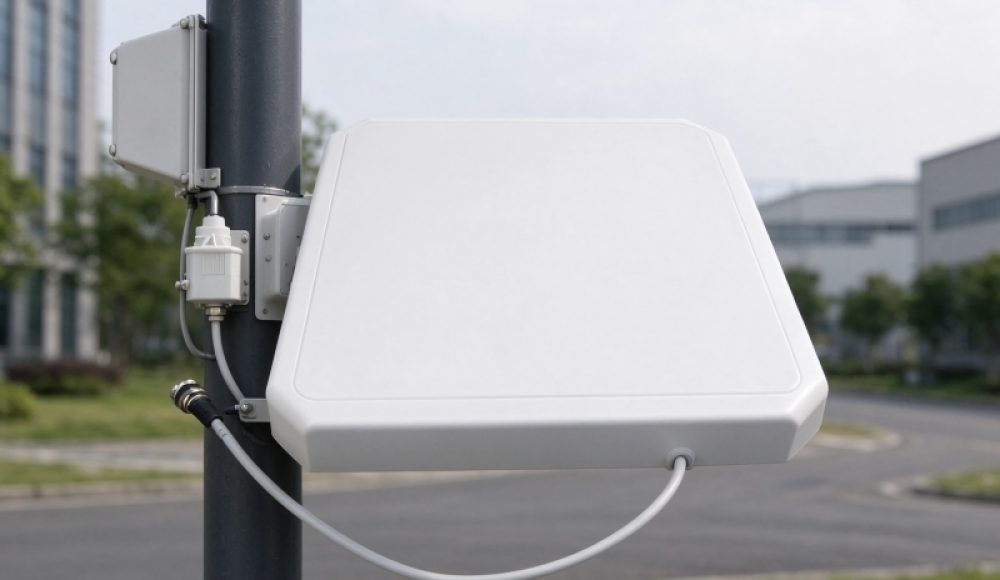
- Fixed installation: Supports repeatable positioning in warehouses, access points, and industrial facilities.
Actual reading performance still depends on reader output power, tag sensitivity, antenna placement, surrounding materials, and environmental conditions.
How Does a Circular Polarized RFID Panel Antenna Work?
A circular polarized RFID panel antenna transmits and receives electromagnetic waves whose electric field rotates as the wave propagates.
This polarization can reduce the sensitivity to tag orientation compared with a linearly polarized antenna. For example, a warehouse system may encounter packages with RFID tags mounted at different angles. Circular polarization can improve the likelihood of coupling with those tags when their orientations vary.
The antenna also uses directional radiation to concentrate RF energy toward a selected area. Its 12dBi gain rating indicates stronger directional concentration than a lower-gain antenna under comparable measurement conditions.
However, high gain does not guarantee a specific reading distance. Engineers must also consider antenna alignment, reader configuration, tag characteristics, interference, and regulatory power limits.
What Are the Key Specifications of Renfeng’s RFID Panel Antenna?
Renfeng’s panel antenna operates across 850–930MHz and provides 12dBi gain with circular polarization.
| Parameter | Specification |
|---|---|
| Product name | 850–930MHz 12dBi High-Gain Circular Polarized RFID Panel Antenna |
| Frequency range | 850–930MHz |
| Gain | 12dBi |
| Polarization | Circular |
| Antenna type | Directional panel antenna |
| Connector | N Female |
| Power handling | 50W |
| Dimensions | 258 × 258 × 34mm |
| Cable length | 0.4m |
These specifications provide a starting point for system integration. Before installation, engineers should also confirm the antenna’s impedance, VSWR, axial ratio, beamwidth, and radiation pattern through the product datasheet or test report. These values have not been included in the supplied specifications.
Where Are High-Gain RFID Panel Antennas Used?
High-gain RFID panel antennas are commonly used in fixed installations where systems need to identify tags within a defined area.
Typical applications include:
- Warehouse inventory management: Identifies tagged cartons, pallets, and stored goods near shelves or checkpoints.
- Logistics and distribution: Supports tag identification at sorting areas, loading zones, and conveyor access points.
- Vehicle identification: Reads compatible RFID tags at controlled entry and exit lanes.
- Industrial automation: Identifies tagged tools, containers, and components along production processes.
- Fixed RFID reader systems: Provide directional coverage for designated reading zones.
For vehicle and warehouse applications, system designers should test the complete reading area. Metal surfaces, liquid products, tag placement, and reflections can all affect RFID performance.
How Should You Choose an RFID Panel Antenna?
When evaluating an RFID Panel Antenna Manufacturer, compare its product specifications and engineering support with the actual requirements of the RFID system.
The following factors help guide selection:
- Frequency compatibility: Match the antenna’s operating range with the reader and regional RFID frequency allocation.
- Polarization: Consider circular polarization when tag orientation varies. Linear polarization may suit installations with controlled tag alignment.
- Gain and coverage: Select gain according to the required reading zone, distance, and beam coverage rather than choosing the highest value automatically.
- Connector compatibility: Confirm that the N Female connector matches the reader cable or RF interface.
- Mechanical dimensions: Check the 258 × 258 × 34mm enclosure and mounting space before installation.
- Power handling: Ensure the antenna’s 50W rating suits the system design. Also follow the reader’s permitted output power and local regulations.
Engineers should evaluate the antenna in the final installation environment because nearby metal structures and mounting surfaces can change its RF performance.
How Does a Panel Antenna Compare with Other RFID Antennas?
A panel antenna is generally suitable for directional coverage, while other antenna types may better support different reading-zone requirements.
| Antenna Type | Polarization or Coverage | Typical Application |
|---|---|---|
| Circular polarized panel antenna | Directional coverage; accommodates varying tag orientations | Warehouse and logistics checkpoints |
| Linear polarized panel antenna | Directional coverage with polarization alignment requirements | Controlled tag positioning |
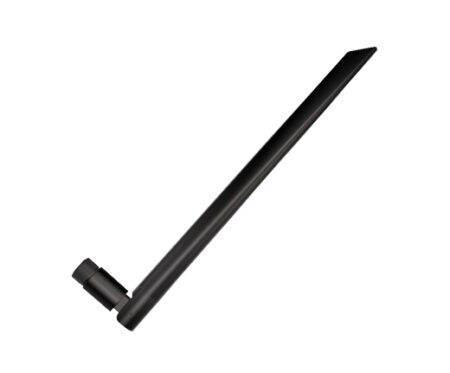
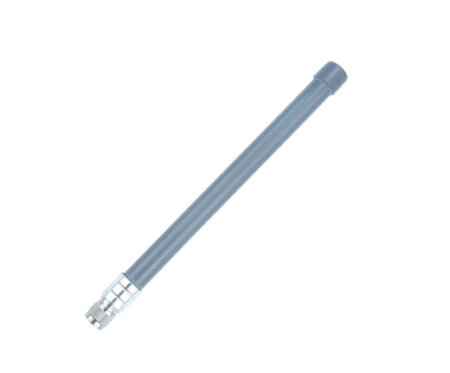
| Omnidirectional antenna | Coverage around the antenna’s horizontal plane | General area monitoring |
| Near-field RFID antenna | Short-range, localized coupling | Item-level identification and controlled reading points |
Compared with traditional solutions that use broad omnidirectional coverage, a directional panel antenna can concentrate RF energy toward a specific reading zone. However, it may require more careful alignment and placement.
What Testing Should Engineers Complete Before Deployment?
Engineers should test antenna performance and complete-system tag identification before deploying an RFID installation.
Useful evaluation methods include:
- VNA measurement: Check impedance matching and VSWR across 850–930MHz.
- Gain and radiation pattern testing: Verify directional coverage and compare measured results with design requirements.
- Axial ratio measurement: Evaluate circular polarization quality across the operating band.
- Read-zone testing: Measure tag identification performance at different distances and orientations.
- Environmental testing: Assess performance near metal structures, moving equipment, and other potential sources of RF interference.
For UHF RFID systems, engineers should also consider applicable regional requirements and relevant standards, such as ISO/IEC 18000-63 for the air interface and applicable ETSI or FCC regulations. These standards and regulations apply to the relevant RFID system or market; they do not establish that this specific antenna holds a certification.
What Factors Affect RFID Panel Antenna Costs?
The cost of an RFID panel antenna depends on its RF design, mechanical construction, connector configuration, testing requirements, and order quantity.
Important factors include:
- Frequency coverage: Wider or specialized frequency requirements may affect RF design and validation.
- Gain and polarization: Higher performance targets can require additional design and testing work.
- Housing and dimensions: Enclosure materials, size, and mounting structure influence material and manufacturing costs.
- Connector and cable configuration: Connector type and cable length affect component selection and assembly.
- Testing requirements: Additional radiation pattern, axial ratio, and environmental tests may increase project costs.
- Production quantity: Prototype development and batch manufacturing generally involve different cost structures.
Providing the reader model, target frequency, installation environment, and expected reading zone helps clarify the technical requirements before requesting a quotation.
How Does Renfeng Support RFID Antenna Development?
Renfeng focuses on intelligent communication terminal antennas and customized antenna solutions. Established in 2012, the company supports antenna projects from concept development and RF design through sample development, batch production, and delivery. As an RFID Panel Antenna Manufacturer, Renfeng can assess antenna requirements in relation to device structure, installation space, frequency range, and wireless communication needs. Its RF engineering team has an average of more than 10 years of industry experience.
For RFID-related projects, this engineering background can support discussions about:
- Operating frequency and polarization requirements.
- Antenna dimensions and installation constraints.
- RF connector and cable configurations.
- Prototype evaluation and design adjustments.
- Batch production requirements for different applications.
Renfeng serves communication terminal and wireless equipment markets through its antenna design and development capabilities. Specific production capacity, equipment quantities, production-line scale, and product certification details have not been provided. Buyers should request relevant documentation when evaluating these factors.
Frequently Asked Questions
What Is a Circular Polarized RFID Panel Antenna?
A circular polarized RFID panel antenna is a directional antenna that transmits and receives circularly polarized RF signals. It can help identify tags at different orientations within its coverage area.
How to Choose a High-Gain RFID Panel Antenna?
Match the frequency range, gain, polarization, connector, dimensions, and power handling to the reader and installation environment. Then verify the radiation pattern and actual tag-reading performance through system testing.
Why Does Circular Polarization Help with RFID Tag Identification?
Circular polarization reduces the dependence on one fixed tag orientation. This can improve identification consistency when tagged objects move or present different angles to a fixed reader antenna. However, tag design, placement, and surrounding materials still affect reading performance.
Source & Expertise
This article uses the supplied specifications for Renfeng’s 850–930MHz 12dBi High-Gain Circular Polarized RFID Panel Antenna, including its frequency range, gain, polarization, connector, power handling, dimensions, and cable length.
The technical explanations draw on general RF antenna engineering principles and relevant UHF RFID standards, including ISO/IEC 18000-63. Actual performance and regulatory compliance should be confirmed through product datasheets, laboratory measurements, and application-specific testing.
Last Updated
November 17, 2026